
Juba Court: Episcopal Diocese Lacked Legal Capacity, Case Dismissed
Summary
- A Juba County Court dismissed a criminal case against six Moru Congregation leaders on August 18, 2026.
- The case, number 4071 of 2025, was dismissed because the Episcopal Diocese of Juba lacked the legal capacity to initiate proceedings.
- The court found the Diocese to be an unincorporated association without legal personality, neither created by statute nor registered as an entity.
- The ruling sets a precedent regarding the procedural capacity of religious organizations and NGOs in South Sudan.
- Moru Congregation leaders, despite the legal victory, have called for dialogue to resolve the ongoing dispute over church administration and property.
Court Dismisses Criminal Case Against Moru Leaders
The Juba County Court concurred with this assessment, ruling that because the Episcopal Diocese of Juba was neither created by statute nor registered as a formal entity, it lacked the necessary procedural capacity to bring the criminal proceedings.
A Juba County Court has dismissed a criminal case initiated by the Episcopal Diocese of Juba against six leaders of the Moru Congregation, citing the Diocese's lack of legal capacity to institute the proceedings. The ruling, delivered on August 18, 2026, marks a significant development in the ongoing dispute between the two church groups concerning administration, property, and the Moru Congregation's asserted autonomy.
The criminal case, identified as number 4071 of 2025, saw six Moru Congregation members—Samson Lazoro, Solomon Gismala, John Weasley, John Bismark, Stephen Lawrence, and Canon Rev O’neil Yosia Diama—facing charges under the South Sudan Penal Code Act 2008. These charges included insulting or inciting contempt of a religious creed, disturbing a religious assembly, and house trespass. Advocate Ezekiel Eresto, representing the Moru Congregation, confirmed that the court found the preliminary objection to be well-founded, leading to the dismissal of all charges and the immediate discharge of the six accused individuals.
Legal Capacity and Unincorporated Associations
The core of the court's decision hinged on the legal status of the Episcopal Diocese of Juba. Advocate Eresto argued that the Diocese functions as an unincorporated association, a collective of individuals without distinct legal personality. The defense's investigation revealed no registration certificate or statutory instrument that formally established the Diocese as a legal entity capable of initiating legal action.
The Juba County Court concurred with this assessment, ruling that because the Episcopal Diocese of Juba was neither created by statute nor registered as a formal entity, it lacked the necessary procedural capacity to bring the criminal proceedings. This finding underscores the critical importance of legal personality for organizations, particularly in South Sudan, when seeking to engage with the judicial system. The ruling effectively invalidated the Diocese's attempt to use the courts in its long-standing disagreement with the Moru Congregation over the control and administration of churches and properties in Juba.
Broader Implications and Calls for Dialogue
This ruling carries significant implications beyond the immediate parties, potentially setting a precedent for the legal standing of unincorporated associations, including religious organizations, non-governmental organizations (NGOs), and community groups across South Sudan. Advocate Eresto emphasized that legal personality is crucial for such entities to access the courts and called upon the government to provide clarity on the legal status of religious and community organizations. He also urged unregistered religious associations to formalize their status to avoid similar procedural challenges. The Episcopal Diocese of Juba has been granted 15 days to appeal the court's decision.
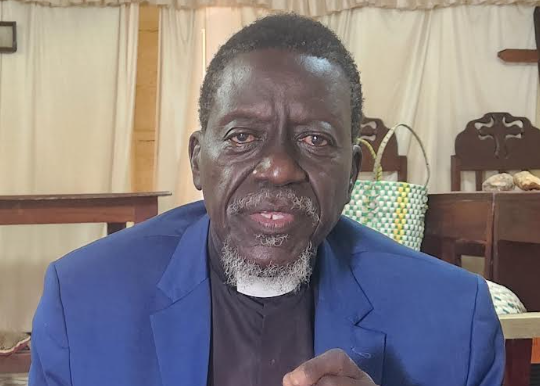
Despite their legal victory, leaders of the Moru Congregation have expressed a desire for dialogue to resolve the ongoing dispute with the Juba Diocese. Canon Rev. Oneil Yosia Daima, a leader within the Moru Congregation in Juba, suggested that the court's decision should serve as an impetus for renewed negotiations, referencing 1 Corinthians 6 as encouragement for Christians to resolve conflicts internally. He affirmed that the congregation's 'doors are open' for such discussions. This stance comes amid a wider conflict over the ownership and administration of several churches in Juba, including the Nyokuran Moru Congregation Church, where the Moru Congregation previously opposed its closure and accused the Diocese of attempting to seize control. This recent ruling marks the second time the judiciary has sided with the Moru Congregation in this protracted disagreement.
Practical Implications
This ruling sets a precedent in South Sudan regarding the procedural capacity of unincorporated associations, particularly religious organizations and NGOs, to initiate legal proceedings. Lawyers should advise clients on the critical importance of formal registration and establishing legal personality to ensure their ability to access the courts and avoid similar dismissals based on lack of legal standing.
Source
Source: Original reporting via {source}
How does this affect you?
Get an AI analysis of this article grounded in your jurisdictions, practice areas, and any policy documents you've uploaded to Wansom.
Wansom is AI and can make mistakes.