
UNMISS: Jonglei Peacekeepers Ambush Declared War Crime
Summary
- Two UN peacekeepers were killed and seven others injured in an ambush by unidentified armed men in South Sudan's Jonglei state on Monday.
- The United Nations Mission in South Sudan (UNMISS) deployed a quick reaction force following the attack on its patrol.
- UNMISS stated that attacks on UN peacekeepers could constitute war crimes under international law, including international humanitarian law.
- Anita Kiki Gbeho, head of UNMISS, condemned the violence and called for a prompt investigation to bring perpetrators to justice.
- The incident highlights renewed violence in South Sudan despite a fragile 2018 peace agreement that ended a five-year civil war.
Deadly Ambush in Jonglei
The United Nations Mission in South Sudan has explicitly stated that assaults targeting UN peacekeepers, such as this ambush in Jonglei, could be classified as war crimes under international law.
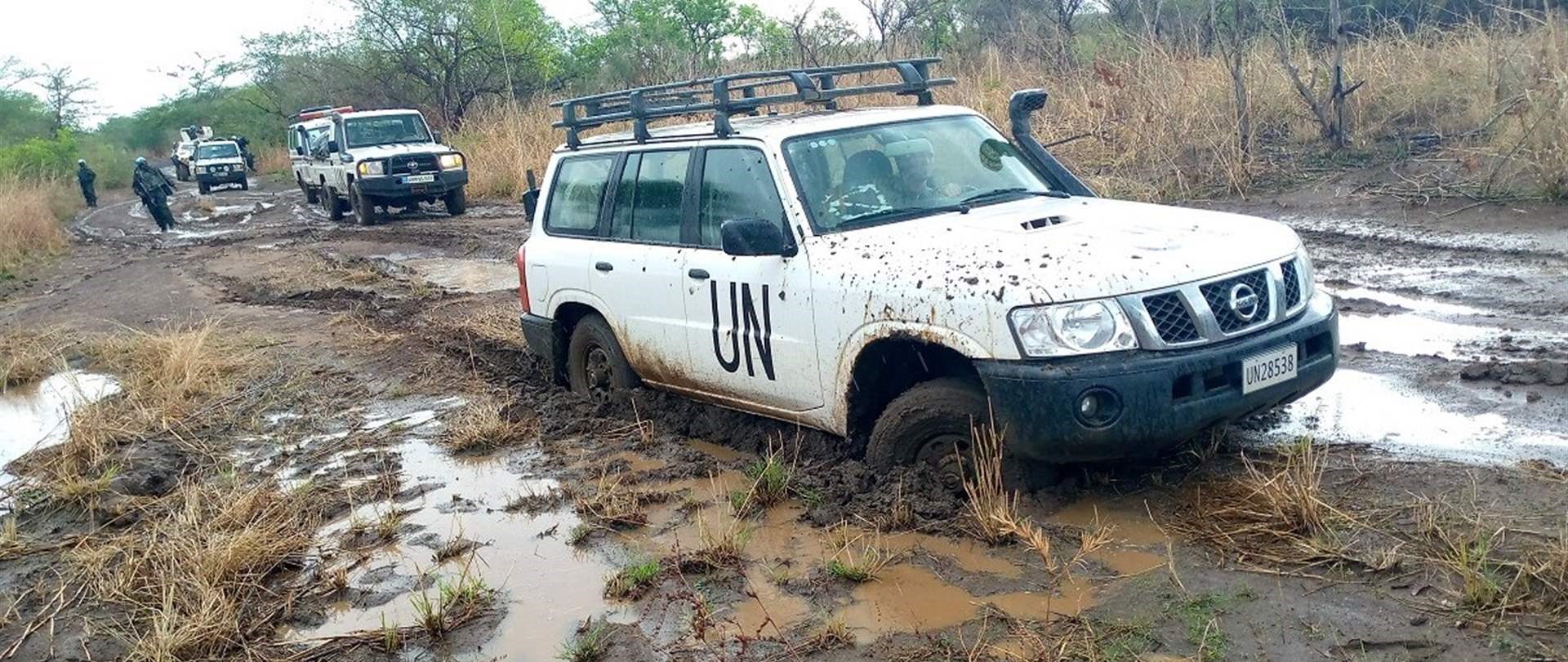
A United Nations patrol operating in South Sudan's Jonglei state was ambushed by unidentified armed individuals on Monday, resulting in the deaths of two UN peacekeepers. The incident occurred as the patrol was en route to Pajut, highlighting the severe security challenges faced by humanitarian and peacekeeping missions in the region.
In addition to the fatalities, seven other individuals sustained injuries during the attack. Among the injured were three peacekeepers, two personnel from the South Sudan National Police Service, and two civilian staff members. Following the ambush, the United Nations Mission in South Sudan (UNMISS) swiftly dispatched a quick reaction force to secure the area and provide emergency assistance to those affected.
War Crimes Allegations and International Law
The United Nations Mission in South Sudan has explicitly stated that assaults targeting UN peacekeepers, such as this ambush in Jonglei, could be classified as war crimes under international law. This grave designation underscores the serious legal ramifications for perpetrators, particularly under the framework of international humanitarian law, which governs conduct during armed conflict.
This incident serves as a stark reminder of the legal protections afforded to UN personnel and the potential for severe accountability for those who violate these norms. The explicit mention of war crimes by UNMISS signals the international community's commitment to upholding these legal standards and pursuing justice for attacks on those working to maintain peace.
UNMISS Response and Official Condemnation
Anita Kiki Gbeho, who serves as the UN secretary-general’s special representative for South Sudan and heads UNMISS, issued a strong condemnation of the violence. In a statement, she emphasized that such lethal aggression against UNMISS personnel, who are dedicated to supporting peace efforts in South Sudan, is entirely unacceptable.
Ms. Gbeho extended her deepest condolences to the families of the peacekeepers who lost their lives and expressed wishes for a rapid recovery to all those injured. She further called upon the relevant authorities to initiate a prompt and thorough investigation into the ambush, urging that those responsible be identified and brought to justice to ensure accountability for their actions.
Persistent Instability in South Sudan
This recent security incident in Jonglei occurs amidst a backdrop of persistent instability and renewed violence across various parts of South Sudan. Despite the signing of a fragile peace agreement in 2018, which aimed to conclude a devastating five-year civil war, the country continues to grapple with significant security challenges.
The ongoing unrest underscores the complex environment in which UNMISS personnel operate, often placing them directly in harm's way as they strive to implement their mandate of protecting civilians and supporting the peace process. The ambush highlights the critical need for sustained efforts to stabilize the region and enforce the existing peace accords.
Practical Implications
This incident underscores the potential for war crimes under international law, requiring legal professionals to monitor any subsequent investigations and advise clients on the severe legal ramifications for perpetrators. It also highlights the heightened security risks and compliance considerations for organizations operating in South Sudan, particularly concerning the protection of personnel under international humanitarian law.
Source
How does this affect you?
Get an AI analysis of this article grounded in your jurisdictions, practice areas, and any policy documents you've uploaded to Wansom.
Wansom is AI and can make mistakes.