
Jimmy Maliseni: Zambia Proportional Representation Seats Explained
Summary
- Jimmy Maliseni commented on the allocation of proportional representation seats at the council level in Zambia.
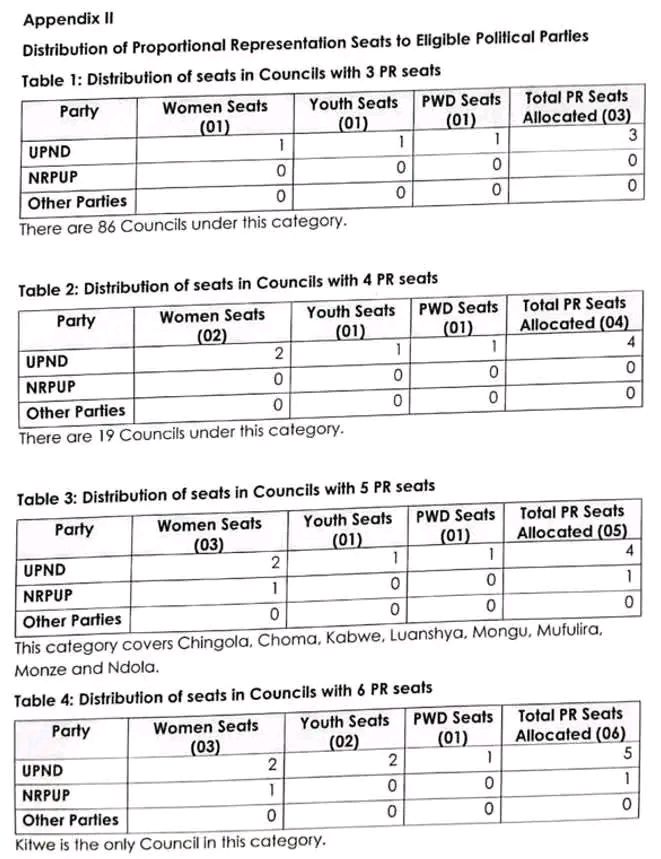
- The UPND was allocated the majority of local government PR seats.
- This occurred even in councils where the UPND lost the local elections.
- Published allocations confirm this outcome is a direct result of the system, not theoretical.
- Many citizens are questioning why this particular allocation pattern has emerged.
Understanding the Allocation Controversy
The central issue prompting public debate is the observation that the United Party for National Development (UPND) has been allocated the majority of local government PR seats.
Jimmy Maliseni, Programmes Manager for the Alliance For Community Action (ACA) Zambia, has weighed in on the ongoing discussion surrounding the allocation of proportional representation (PR) seats at the council level in Zambia. His commentary addresses a specific point of public inquiry and concern regarding the distribution of these crucial local government positions.
The central issue prompting public debate is the observation that the United Party for National Development (UPND) has been allocated the majority of local government PR seats. This outcome has generated particular interest because it occurred even in councils where the UPND did not win the local elections outright, leading to questions about the mechanics and fairness of the system.
Maliseni's intervention underscores that this phenomenon is not merely theoretical or speculative. The newly enacted proportional representation system, established by the Constitution of Zambia (Amendment) Act No. 13 of 2025 and signed into law in December 2025, is currently being implemented. The Electoral Commission of Zambia (ECZ) is processing the allocation of these seats based on the August 2026 presidential election results, which are expected to produce such outcomes in practice. The discrepancy between direct election results in some localities and the subsequent allocation of PR seats has led many to seek clarification on the underlying principles and operational details of the proportional representation framework at the council level.
The Zambian Proportional Representation System's Output
The observed allocation pattern, where the UPND secured a majority of Zambia local council PR seats despite losing local elections in certain areas, highlights a key characteristic of the proportional representation system as implemented. While the specifics of the Zambian electoral system analysis for PR seats are complex, the outcome suggests that these seats are distributed based on a broader calculation, likely reflecting overall party strength or national vote share, rather than solely on individual council-level election results.
This approach, common in various proportional representation models, aims to ensure that the composition of legislative bodies, including local councils, reflects the overall political landscape more accurately. However, when applied at the local government level, it can lead to situations where a party that did not win a majority of directly elected seats in a particular council still gains a significant number of additional representatives through the PR mechanism. The fact that the newly implemented system, rather than a hypothetical scenario, is currently being processed by the ECZ to produce these allocations, is central to Maliseni's commentary and the public's understanding of the process.
Implications for Local Governance and Political Discourse
The allocation of UPND local government proportional representation seats, particularly in councils where the party did not secure a direct electoral victory, carries significant implications for local governance and the broader political discourse in Zambia. The public's 'wondering' about these outcomes points to a potential gap in understanding how the proportional representation council level Zambia system operates, and how it interacts with direct electoral mandates.
Such outcomes can influence the perceived legitimacy and effectiveness of local councils, especially if the balance of power among councillors, including those appointed via PR, does not align with local voters' direct choices. This situation underscores the importance of transparent communication and education regarding the intricacies of the Zambian electoral system analysis, particularly concerning the allocation of PR seats. For political parties, candidates, and electoral law practitioners in Zambia, understanding this interpretation and application of proportional representation at the council level is crucial, as it highlights areas that could prompt legal challenges or calls for greater clarity regarding seat allocation mechanics and electoral outcomes.
Practical Implications
Lawyers advising political parties, candidates, or involved in electoral law matters in Zambia should be aware of this interpretation and application of proportional representation at the council level, as it highlights potential areas for legal challenge or clarification regarding seat allocation mechanics and electoral outcomes.
Source
How does this affect you?
Get an AI analysis of this article grounded in your jurisdictions, practice areas, and any policy documents you've uploaded to Wansom.
Finish Reading the Full Story and the Expert Analysis.
Wansom is AI and can make mistakes.