
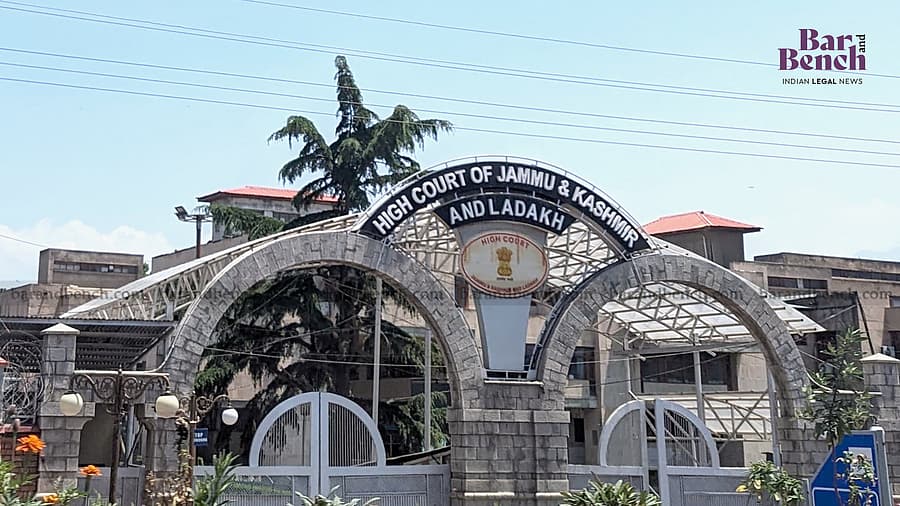
J&K High Court: Anti-National Book Possession Quashes Detention Order
Summary
- The High Court of Jammu & Kashmir and Ladakh ruled that mere possession of alleged anti-national books is not a valid ground for preventive detention.
- Justice Moksha Khajuria Kazmi stated that authorities must demonstrate specific subversive activity, not just ownership of literature.
- The court quashed the preventive detention order against academic scholar Shafat Maqbool Wani, who was detained under the Jammu & Kashmir Public Safety Act.
- The ruling emphasized that an academic is expected to possess diverse literary materials, and the books in question were not authored by Wani.
- This decision sets a high evidentiary bar for preventive detention based on the possession of literature in India.
What Happened
For such a measure to be legally sound, authorities must demonstrate specific, tangible subversive or prejudicial activity directly linked to the individual, going beyond the passive ownership of materials.
The High Court of Jammu & Kashmir and Ladakh recently delivered a significant ruling, asserting that merely possessing books alleged to be "anti-national" does not constitute sufficient grounds for preventive detention. Justice Moksha Khajuria Kazmi, presiding over the case, clarified that an academic's ownership of literature, even if it carries "dispiriting titles" and is authored by others, is not enough to invoke preventive detention laws, particularly when authorities fail to present concrete evidence of specific subversive or prejudicial activities attributable to the individual.
This pivotal decision came in the case of academic scholar Shafat Maqbool Wani, whose preventive detention order, issued under the Jammu & Kashmir Public Safety Act, was subsequently quashed by the court. Mr. Wani had been detained based on allegations of involvement in anti-national activities, with the possession of certain alleged anti-national literature being a key component of the charges against him. The specific books cited included "Construction of an Islamic Order in Hindutva Reimagination" and "The Saffronization of Occupied Kashmir, Demystifying Hindutva Settlers, Colonial Designers." The court found that the literature, while seized from him, was wrongly attributed to him as having been authored by him, and his role as an academic meant he would naturally possess a variety of literary means.
Legal Context
The High Court's judgment provides crucial clarity on the application of preventive detention powers, particularly under the Jammu & Kashmir Public Safety Act. Justice Kazmi's pronouncement underscores that the mere presence of literature, even if characterized by state authorities as "anti-national," cannot serve as the sole or primary justification for detaining an individual. The court explicitly noted that the alleged anti-national literature shown to have been seized from the detainee had presumably influenced the respondents to brand him as anti-national. However, the court found that this literature was wrongly attributed to Mr. Wani as its author, a distinction critical to the ruling.
The court emphasized that an academic scholar, such as Mr. Wani, is inherently expected to be in possession of a diverse range of literary materials as part of their intellectual pursuits. Therefore, the simple act of possessing books with "dispiriting titles" that were authored by someone else is not sufficient to warrant preventive detention. For such a measure to be legally sound, authorities must demonstrate specific, tangible subversive or prejudicial activity directly linked to the individual, going beyond the passive ownership of materials. This ruling sets a high evidentiary bar for the state when seeking to curtail an individual's liberty through preventive detention in India.
Why It Matters
This landmark ruling by the J&K High Court concerning anti-national book possession establishes a crucial precedent, significantly impacting the interpretation and application of preventive detention laws in India. It reinforces fundamental principles of individual liberty, freedom of expression, and academic freedom, particularly within the sensitive context of the Jammu & Kashmir Public Safety Act. The decision makes it unequivocally clear that the state cannot rely solely on the act of possessing certain books to justify the detention of its citizens, especially when no direct, demonstrable link to specific subversive activity is proven.
By quashing Shafat Maqbool Wani's detention, the court has affirmed that mere possession of alleged 'anti-national' literature is not a sufficient ground for detention. This judgment serves as a vital safeguard against the potential misuse of broad powers under preventive detention laws, ensuring they are not employed to stifle intellectual inquiry, academic discourse, or legitimate dissent. Lawyers can now cite this decision to challenge detention orders where authorities fail to demonstrate specific actions beyond the ownership of books, thereby reinforcing the high evidentiary threshold required for such severe restrictions on personal freedom.
Practical Implications
This ruling sets a crucial precedent clarifying the high evidentiary bar for preventive detention under the J&K Public Safety Act, particularly when based on possession of literature. Lawyers can cite this decision to challenge detention orders where authorities fail to demonstrate specific subversive activity beyond mere possession of alleged 'anti-national' books, reinforcing freedom of expression principles.
Source
How does this affect you?
Get an AI analysis of this article grounded in your jurisdictions, practice areas, and any policy documents you've uploaded to Wansom.
Finish Reading the Full Story and the Expert Analysis.
Wansom is AI and can make mistakes.