
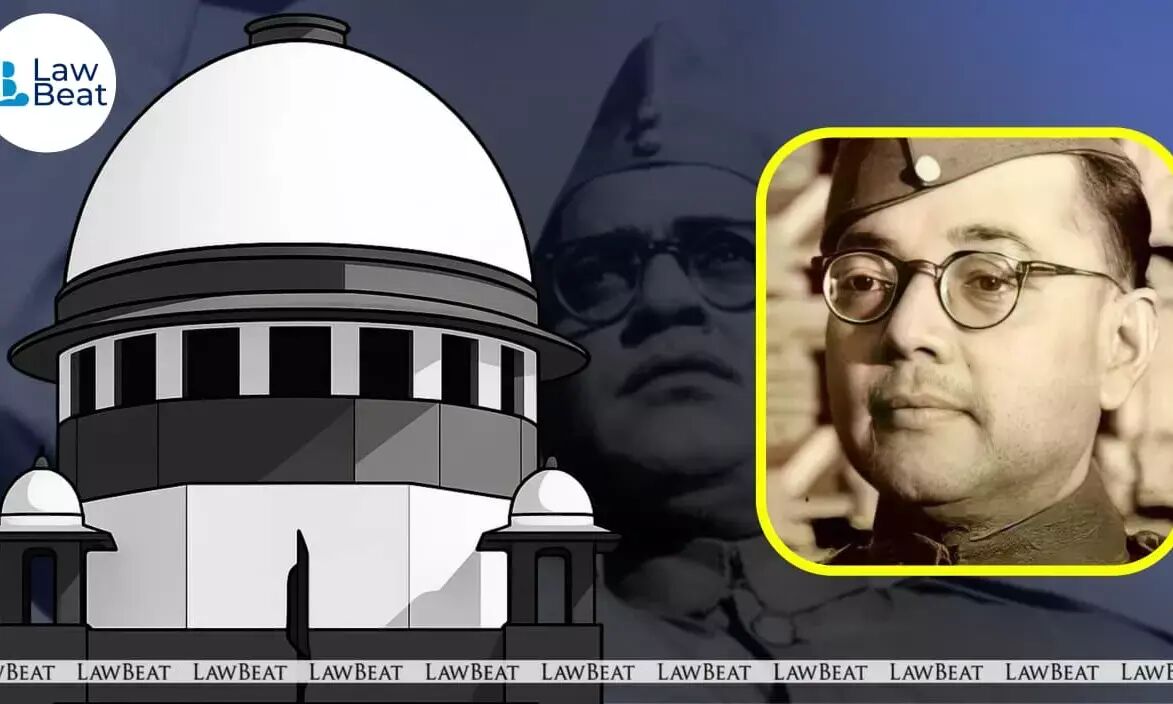
Indian Supreme Court Agrees to Hear Anita Pfaff's Plea for Netaji Subhas Chandra Bose Ashes Repatriation
Summary
- The Supreme Court has agreed to hear a plea filed by Anita B. Pfaff seeking directions to bring back Netaji Subhas Chandra Bose's mortal remains from Japan.
- This decision marks a significant development in the ongoing efforts to repatriate Netaji's ashes from Renkoji Temple in Tokyo.
- The case could set a precedent for the return of other national leaders' remains and raise questions about current laws and regulations regarding mortal remains.
- Lawyers and compliance officers should be aware of these potential developments and their impact on clients' interests.
What Happened
The court's willingness to hear the case marks a significant development in the ongoing efforts to repatriate Netaji's ashes from Renkoji Temple in Tokyo.
The Supreme Court has agreed to hear a plea filed by Anita B. Pfaff, daughter of Netaji Subhas Chandra Bose, seeking directions to bring back his mortal remains from Japan. This decision comes after the court had previously refused to entertain a similar petition in March this year. The current case was heard by a Bench comprising Chief Justice Surya Kant, Justice Joymalya Bagchi, and Justice V Mohana, who issued notice to the respondents. The court's willingness to hear the case marks a significant development in the ongoing efforts to repatriate Netaji's ashes from Renkoji Temple in Tokyo.
Legal Context
The Supreme Court has a history of dealing with cases related to Netaji Subhas Chandra Bose, including a previous case in 2024 where the court came down heavily on a petitioner seeking an inquiry into his death. In that instance, the bench questioned the petitioner's bona fides and asked whether he had any actual human rights work to show for it. The court also expressed its disinclination to hear cases related to Netaji's remains, with Chief Justice Surya Kant stating that 'how many family members will approach court' and questioning the motivations behind such petitions. This context highlights the complexities and sensitivities involved in repatriation cases.
Why It Matters
The Supreme Court's decision to hear Anita Pfaff's plea has significant implications for the repatriation of Netaji Subhas Chandra Bose's ashes from Japan. If successful, this could set a precedent for the return of other national leaders' remains and raise questions about current laws and regulations regarding mortal remains. Lawyers and compliance officers should be aware of these potential developments and their impact on clients' interests. The case also underscores the importance of respecting family sentiments and ensuring that legal action is taken to address them.
Practical Implications
Lawyers and compliance officers should watch for potential developments in this case, which may set a precedent for the repatriation of other national leaders' remains. They should also be aware that any changes to the current laws or regulations regarding the repatriation of mortal remains could impact their clients' interests.
Source
How does this affect you?
Get an AI analysis of this article grounded in your jurisdictions, practice areas, and any policy documents you've uploaded to Wansom.
Wansom is AI and can make mistakes.