
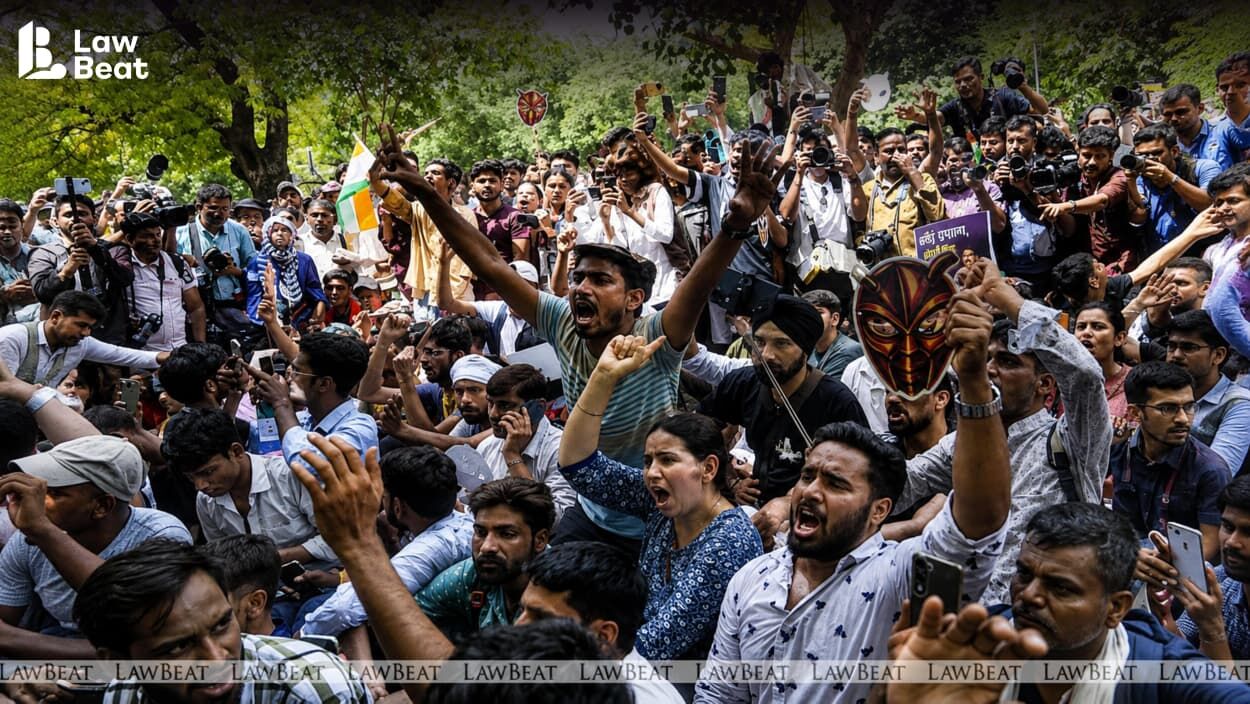
Delhi High Court: FIR Withdrawal Not Statutory Power
Summary
- Student protesters in India are demanding that the government withdraw FIRs registered against them.
- Indian criminal law does not grant the government any statutory power to 'withdraw' an FIR.
- Closure reports, Section 321 CrPC, and quashing by constitutional courts are specific legal mechanisms for dealing with protest-related cases.
- Lawyers advising clients on these cases must understand the nuances of Indian criminal law to provide accurate advice.
What Happened
Indian criminal law does not grant the government any statutory power to withdraw a registered FIR.
Student protesters in India have been demanding that the government withdraw FIRs (First Information Reports) registered against them. However, this demand may be based on a misconception of Indian criminal law. The government's ability to discontinue criminal cases arising from protests is often misunderstood as a power to 'withdraw' an FIR, but this is not the case.
In reality, the Indian criminal justice system provides distinct legal mechanisms for dealing with such situations. Closure reports can be filed, allowing the prosecution to withdraw its case without prejudice. Alternatively, the government can invoke Section 321 of the Criminal Procedure Code (CrPC), which permits withdrawal from prosecution in certain circumstances. Additionally, constitutional courts have the power to quash FIRs.
The distinction between these mechanisms and a blanket 'withdrawal' of an FIR is crucial for lawyers advising clients on protest-related cases. It highlights the importance of understanding the nuances of Indian criminal law when navigating complex situations like these.
Legal Context
Indian criminal law does not grant the government any statutory power to withdraw a registered FIR. The Criminal Procedure Code (CrPC) and other relevant laws provide specific procedures for dealing with cases that no longer merit prosecution. These mechanisms are designed to ensure that justice is served while also respecting individual rights.
The concept of 'closure reports' is particularly noteworthy in this context. A closure report can be filed by the police, allowing them to withdraw their case without prejudice. This means that the accused person's name will no longer appear on the FIR, but any future investigations or prosecutions would still be possible if new evidence arises.
The use of Section 321 CrPC is another important aspect of Indian criminal law in this area. This provision permits withdrawal from prosecution in certain circumstances, such as when the complainant withdraws their complaint or when the police find that there is no sufficient evidence to proceed with the case.
Why It Matters
The distinction between withdrawing an FIR and using specific legal mechanisms has significant implications for lawyers advising clients on protest-related cases. If protesters believe that the government can simply 'withdraw' FIRs, they may be misled about their rights and obligations.
In reality, the Indian criminal justice system is designed to balance individual rights with public interests. By understanding the nuances of these laws, lawyers can provide better advice to their clients and help them navigate complex situations like these. This knowledge can also inform policy discussions around protest-related cases and contribute to a more informed public discourse.
Practical Implications
Lawyers should be aware that the Indian government cannot withdraw a registered First Information Report (FIR), and instead must use specific legal mechanisms, which may impact client advice on protest-related cases.
Source
How does this affect your business?
Get an AI analysis of this article grounded in your jurisdictions, practice areas, and any policy documents you've uploaded to Wansom.
Wansom is AI and can make mistakes.