
India Supreme Court: Marital Rape Exception Hearing Set for December
Summary
- The Supreme Court of India will hear challenges to the marital rape exception on December 9 or 10, before its winter break.
- The exception, found in Section 63 BNS and formerly Section 375 IPC, states that sexual acts by a man with his adult wife are not considered rape.
- The court will examine the constitutional validity of this exception and whether prosecutions can proceed if it remains in effect.
- The Central government opposes criminalizing marital rape, arguing it would destabilize marriage and impact conjugal relationships, citing a need for a holistic approach.
- The Bharatiya Nyaya Sanhita (BNS) and related laws replaced the Indian Penal Code and other statutes on July 1, 2024, retaining the controversial exception.
Supreme Court Sets Hearing Date for Marital Rape Challenge
The court has clearly outlined two pivotal questions it intends to examine: first, whether a prosecution can be sustained if the marital rape exception remains in force, and second, the constitutional validity of the exception itself.
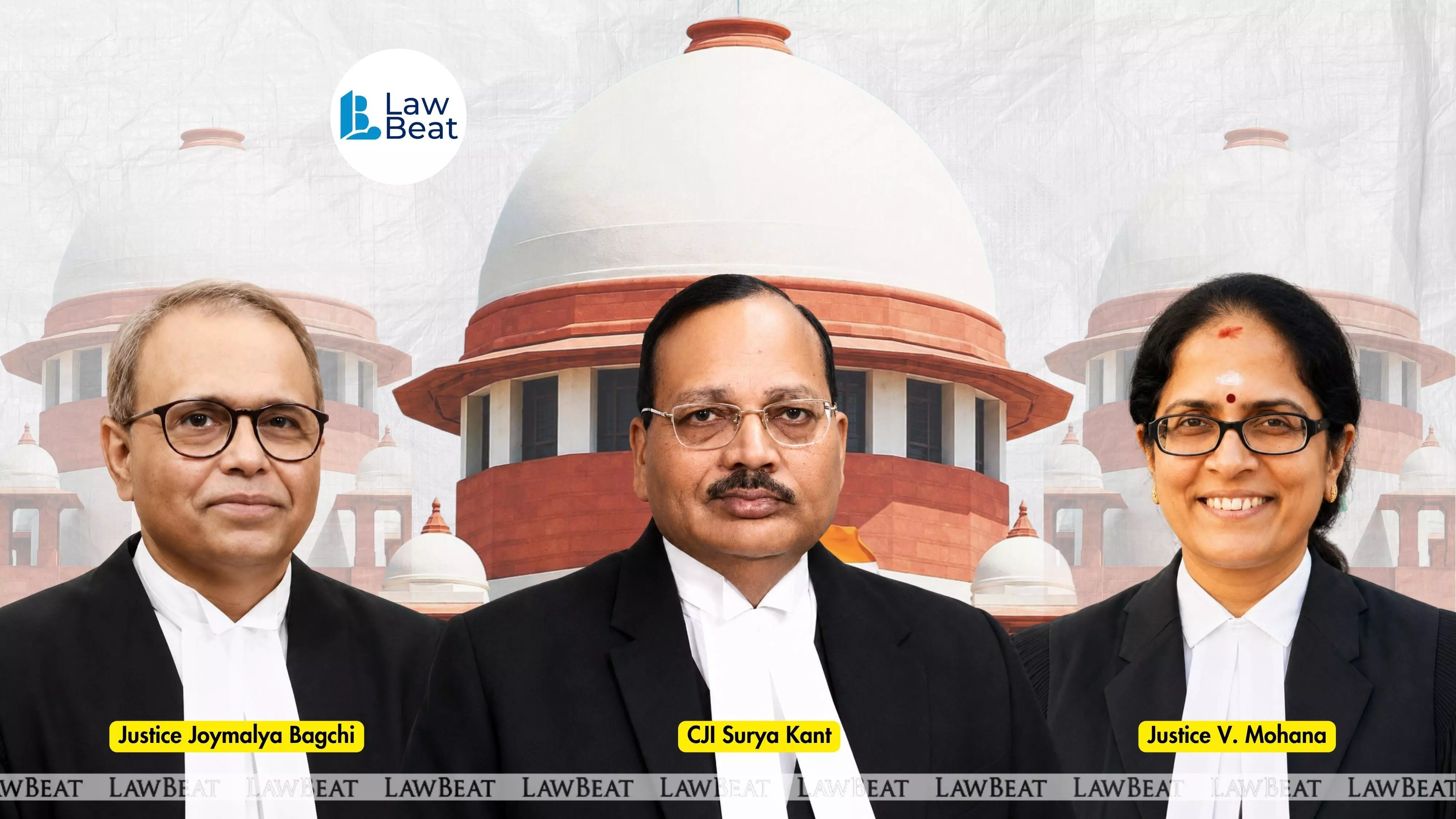
India's Supreme Court has scheduled a crucial hearing for December 9 or 10 to address a series of petitions challenging the marital rape exception. This development comes after the court was unable to take up the matter on a prior date due to its engagement with a part-heard case. The bench, comprising Chief Justice Surya Kant, Justices Joymalya Bagchi, and V Mohana, aims to conclude the hearing before the court's winter recess commences on December 21.
Senior Advocate Indira Jaising, representing parties in the case, had specifically requested a December listing, acknowledging the court's prior commitments. The Chief Justice agreed to the December dates, emphasizing the court's intent to finalize the part-heard matter before moving to this significant legal challenge. The court's decision to prioritize these petitions underscores the gravity of the issues at stake concerning the legal boundaries of sexual offenses within marriage.
The Contested Legal Framework
At the core of these petitions is Exception 2 to Section 63 of the Bharatiya Nyaya Sanhita (BNS), 2023, which stipulates that sexual intercourse or sexual acts by a man with his own wife, provided the wife is not under eighteen years of age, does not constitute rape. This provision mirrors the marital rape exception previously found under Section 375 of the Indian Penal Code (IPC). The BNS, along with the Bharatiya Nagarik Suraksha Sanhita and the Bharatiya Sakshya Adhiniyam, officially replaced the IPC, the Code of Criminal Procedure, and the Indian Evidence Act on July 1, 2024.
Government's Stance and Societal Impact
The Central government has voiced its opposition to the criminalization of marital rape, advocating for a comprehensive and holistic approach rather than a strictly legal one. In an affidavit submitted to the Supreme Court, the government argued that nullifying the exception, which grants immunity to husbands from rape prosecution, would have far-reaching consequences for the institution of marriage and could severely impact conjugal relationships. The government posits that the marital relationship itself creates an 'intelligible differentia' that is rationally connected to the objectives it seeks to achieve.
This position reflects the court's own earlier query during the initial stages of the hearing, which questioned whether striking down the exception and criminalizing non-consensual intercourse within marriage could potentially destabilize the institution of marriage. Former Chief Justice of India, DY Chandrachud, had previously expressed his inability to conclude the hearing in a timely manner, leading to the petitions being listed before a fresh bench. The Centre's counter-affidavit, filed in the lead case, has been designated as its official response for all related petitions, underscoring the unified nature of its argument against altering the current legal framework.
Practical Implications
Lawyers practicing criminal or family law in India must closely monitor this Supreme Court challenge, as its outcome will redefine the legal boundaries of sexual offenses within marriage, impacting client advice and defense strategies. Compliance officers should also note potential implications for workplace policies regarding sexual harassment and misconduct, especially if the exception is struck down.
Source
How does this affect you?
Get an AI analysis of this article grounded in your jurisdictions, practice areas, and any policy documents you've uploaded to Wansom.
Finish Reading the Full Story and the Expert Analysis.
Get the latest legal & regulatory intelligence in India
Wansom is AI and can make mistakes.