
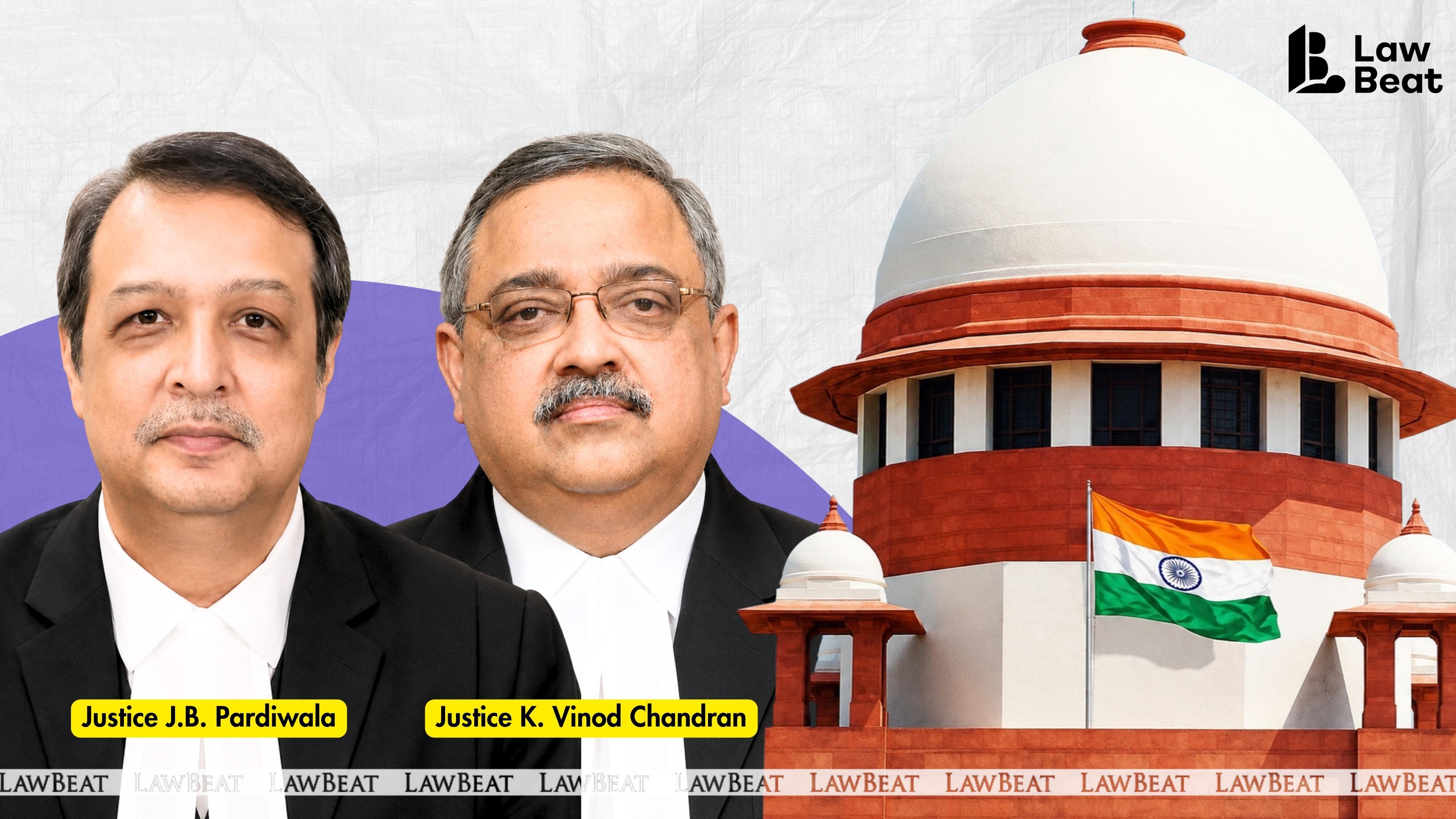
India Supreme Court: Mandates CSEAM Database, 2-Hour Social Media Reporting
Summary
- The India Supreme Court mandated a national hash and URL database for child sexual exploitation and abuse material (CSEAM).
- Social media platforms must now report CSEAM within two hours and appoint dedicated grievance officers.
- The Court affirmed children's fundamental right to internet access, rejecting blanket age-based restrictions.
- Intermediaries risk losing "safe harbour" under Section 79 of the IT Act if they fail to report CSEAM as per the POCSO Act.
- The ruling criticized the lack of progress by platforms and regulators in combating online child abuse.
What Happened
To keep the child away from the internet on account of such failures would be to mistake the victim for the problem.
The India Supreme Court has issued a significant directive mandating the creation of a national hash and URL database specifically designed to detect and facilitate the removal of child sexual exploitation and abuse material (CSEAM) across various online platforms. This comprehensive order also imposes a strict two-hour reporting deadline for social media platforms and other intermediaries, requiring them to report identified CSEAM. Furthermore, these entities must establish dedicated grievance officers to handle such reports effectively.
This decisive action comes more than two years after the Court's initial judgment in the Just Rights for Children Alliance case, with the Bench expressing profound disappointment over the "no progress worth the name" in implementing its earlier directions. Justices JB Pardiwala and K Vinod Chandran delivered the extensive 136-page order, responding to miscellaneous applications filed by the Just Rights for Children Alliance. These applications highlighted persistent issues, including news reports detailing paid promotions of CSEAM on social media through redirect links and websites, underscoring an "unsettling reality" regarding child safety online. The Court had previously voiced concerns on August 14, 2026, about "certain serious lapses" by intermediaries in adhering to its 2024 directives.
Legal Context
Central to the Supreme Court's ruling is the affirmation that the right to access and utilize the internet constitutes a fundamental right for children, protected under Article 21, read in conjunction with Article 19(1)(a) of the Constitution, regardless of their age. This foundational principle guided the Court's decision to reject proposals for blanket age-based restrictions on children's use of social media, viewing such measures as misdirected. Instead, the Court emphasized that any safety framework must target the harmful material itself and those responsible for its creation and circulation, rather than limiting children's access.
The current order builds upon the Court's September 23, 2024, judgment in Just Rights for Children Alliance & Anr. v. S. Harish & Ors. That earlier ruling established that intermediaries forfeit their "safe harbour" protection under Section 79 of the Information Technology Act, 2000 if they fail to report child sexual exploitation and abuse material to the Special Juvenile Police Unit or local police, as required by the POCSO Act. Solicitor General Tushar Mehta represented the Union government during these proceedings, which have consistently focused on enhancing intermediary liability and accountability in combating online child abuse.
Why It Matters
The Supreme Court conveyed its strong dissatisfaction with the lack of proactive measures from both regulatory authorities and social media intermediaries over the years, stating it was left with "no choice but to take matters in our own hands." The Court articulated a clear philosophy: the wrongdoer in the context of CSEAM is the individual who creates, circulates, sells, or seeks such material, along with any intermediary that fails to detect and remove it. It explicitly stated that "to keep the child away from the internet on account of such failures would be to mistake the victim for the problem," thereby rejecting approaches that penalize children for systemic failures.
Furthermore, the Court critically assessed the concept of age verification, deeming it an overreach. It highlighted that such a system would necessitate the continuous collection and monitoring of sensitive data, posing a disproportionate risk of misuse and surveillance that is incompatible with the right to privacy. This new framework, including the national hash URL database India and the stringent social media platform reporting deadline India, signifies a pivotal shift towards holding platforms more accountable for content moderation while simultaneously safeguarding children's fundamental rights and privacy online.
Practical Implications
Compliance officers and legal counsel for social media platforms and other intermediaries operating in India must immediately review and update their systems and policies to comply with the Supreme Court's new mandate for a national hash and URL database for CSEAM, implement a strict two-hour reporting deadline, and establish dedicated grievance officers to avoid losing 'safe harbour' protection under the IT Act and facing exemplary fines.
Source
How does this affect you?
Get an AI analysis of this article grounded in your jurisdictions, practice areas, and any policy documents you've uploaded to Wansom.
Finish Reading the Full Story and the Expert Analysis.
Get the latest legal & regulatory intelligence in India
Wansom is AI and can make mistakes.