
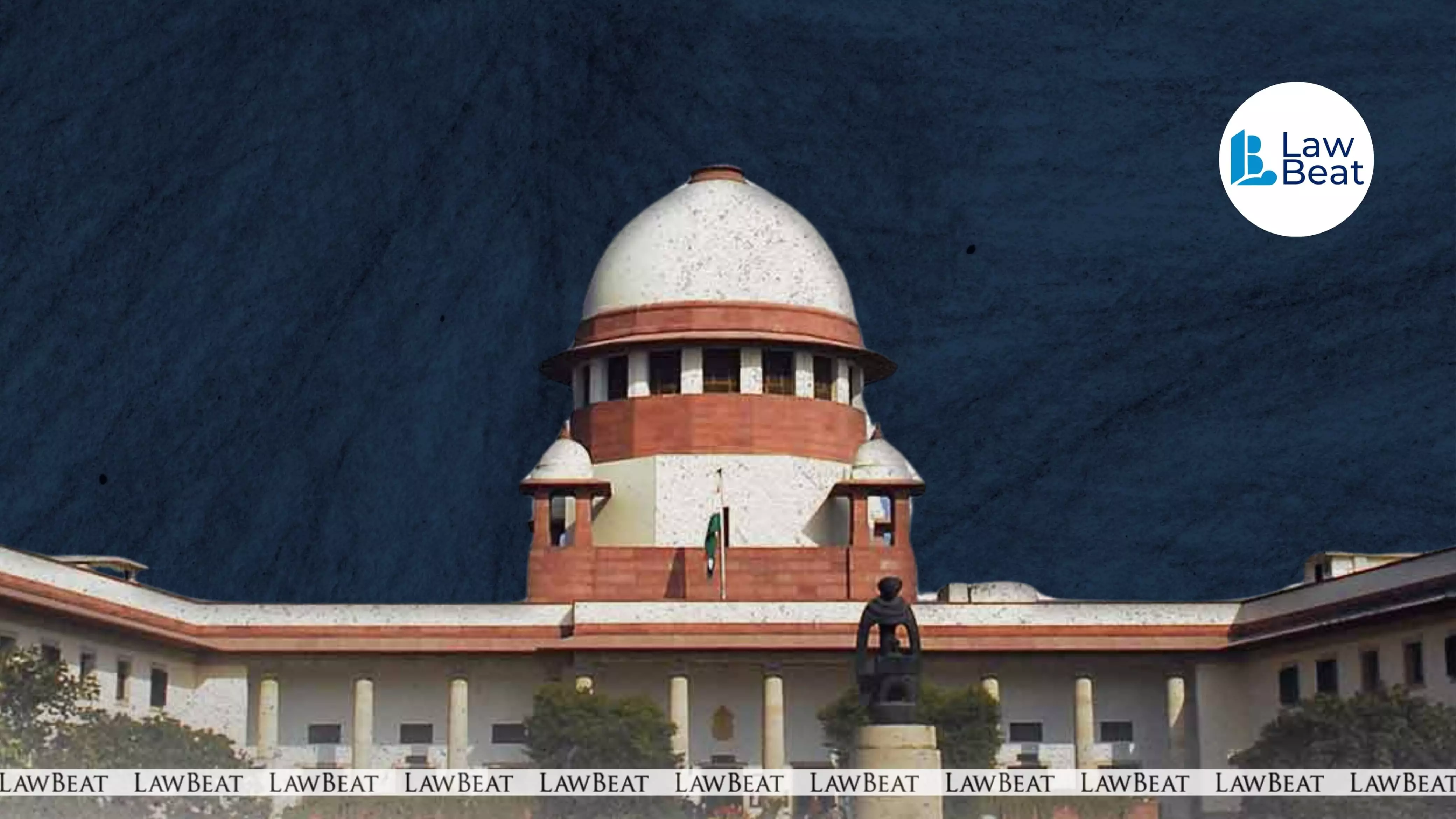
India Supreme Court: Directs Law Commission Study on Arbitration Enforcement Delay
Summary
- India's Supreme Court flagged a 24-year delay in executing an arbitral award, prompting a call for reform.
- The Court directed the Law Commission of India to study and recommend changes to the enforcement of arbitral awards under the Arbitration and Conciliation Act, 1996.
- The specific case involved a 2002 award against National Projects Construction Corporation Ltd (NPCC) in favor of Royal Construction Company.
- Justices Vikram Nath, Sandeep Mehta, and Aparesh Kumar Singh emphasized that arbitration's efficacy requires timely realization of awards.
- The Law Commission's study will examine practical impediments, international practices, and potential legislative or procedural recommendations.
Judicial Scrutiny on Arbitration Enforcement Delays
The Supreme Court emphasized that the true measure of an arbitration regime's success extends beyond the swiftness of award rendition or the restricted grounds for challenging decisions; it crucially depends on the ability of the successful party to realize the benefits of the award within a reasonable timeframe.
The Supreme Court of India has recently highlighted a significant impediment to the effectiveness of the country's arbitration framework, specifically pointing to a 24-year delay in the execution of an arbitral award. This prolonged enforcement period has prompted the apex court to direct the Law Commission of India to undertake a comprehensive study aimed at reforming the statutory provisions governing the implementation of arbitral awards. The Court emphasized that the true measure of an arbitration regime's success extends beyond the swiftness of award rendition or the restricted grounds for challenging decisions; it crucially depends on the ability of the successful party to realize the benefits of the award within a reasonable timeframe.
A bench comprising Justices Vikram Nath, Sandeep Mehta, and Aparesh Kumar Singh underscored that the fundamental promise of arbitration remains unfulfilled if, after successfully navigating the arbitral process, a party is compelled into another protracted round of litigation merely to secure the fruits of their award. This judicial observation directly addresses the core issue of the India Supreme Court arbitration enforcement delay, signaling a critical need for systemic improvements. The Court noted that while legislative efforts have previously focused on streamlining arbitral proceedings, challenging awards, and managing stays on enforcement, the actual execution phase demands equally serious consideration and reform.
The Specific Case Prompting Intervention
The Supreme Court's critical observations arose during an appeal filed by M/s Royal Construction Company Pvt Ltd, challenging an interim order issued by the Delhi High Court on February 16, 2026. This order pertained to the execution of an arbitral award from 2002, which had been rendered against the National Projects Construction Corporation Ltd (NPCC), a public sector enterprise under the Government of India. The original award, dated August 10, 2002, stipulated that NPCC was liable to pay Royal Construction Company 2,23,777.14 Iraqi Dinars and an additional Rs 20 lakh, with both amounts accruing interest at an annual rate of 12%.
The Supreme Court had previously upheld this award in its entirety, confirming in a judgment dated October 10, 2023, that the foreign currency component was indeed payable as specified. During the execution proceedings, NPCC had deposited approximately Rs 1.5 crore in Indian currency, which Royal Construction Company subsequently withdrew under orders from the Delhi High Court. However, NPCC contended that this deposited sum had already discharged its principal liability. The Supreme Court has since disposed of the appeal concerning the Delhi High Court's interim order, and a separate miscellaneous application initiated by NPCC was also dismissed, with the Court clarifying that questions regarding deposited and withdrawn amounts must be addressed by the competent executing court.
Mandate for Legislative Reform and Future Outlook
The Law Commission's forthcoming arbitration enforcement study is tasked with a broad mandate to identify the practical obstacles hindering the timely recovery of awarded amounts in arbitration. This includes examining the experiences and best practices of other jurisdictions to inform potential reforms. The Commission is also expected to consider whether distinct enforcement procedures are necessary for domestic and foreign arbitral awards, or if a unified enforcement framework, incorporating appropriate safeguards, would prove more effective in the Indian context. These recommendations are crucial for addressing the current challenges in NPCC arbitral award execution and similar cases.
The Supreme Court explicitly suggested that the Law Commission should formulate legislative or procedural recommendations deemed necessary to bolster the execution regime. The ultimate goal is to ensure that the enforcement of arbitral awards aligns seamlessly with the core objectives of the Arbitration and Conciliation Act, 1996, and reinforces India’s commitment to establishing itself as a jurisdiction highly conducive to arbitration. Currently, Section 36 of the Arbitration and Conciliation Act, 1996, mandates that an arbitral award be enforced in the same manner as a court decree, thereby invoking the standard execution machinery outlined in the Code of Civil Procedure, 1908. The anticipated Arbitration and Conciliation Act 1996 reforms are expected to provide much-needed clarity and efficiency to this process.
Practical Implications
Lawyers advising clients on arbitration in India must be aware of the significant delays in arbitral award execution, as highlighted by the Supreme Court. They should monitor the Law Commission's forthcoming study and recommendations for legislative changes to the Arbitration and Conciliation Act, 1996, as these reforms could substantially impact future dispute resolution strategies and the enforceability of arbitral awards.
Source
How does this affect you?
Get an AI analysis of this article grounded in your jurisdictions, practice areas, and any policy documents you've uploaded to Wansom.
Finish Reading the Full Story and the Expert Analysis.
Get the latest legal & regulatory intelligence in India
Wansom is AI and can make mistakes.