
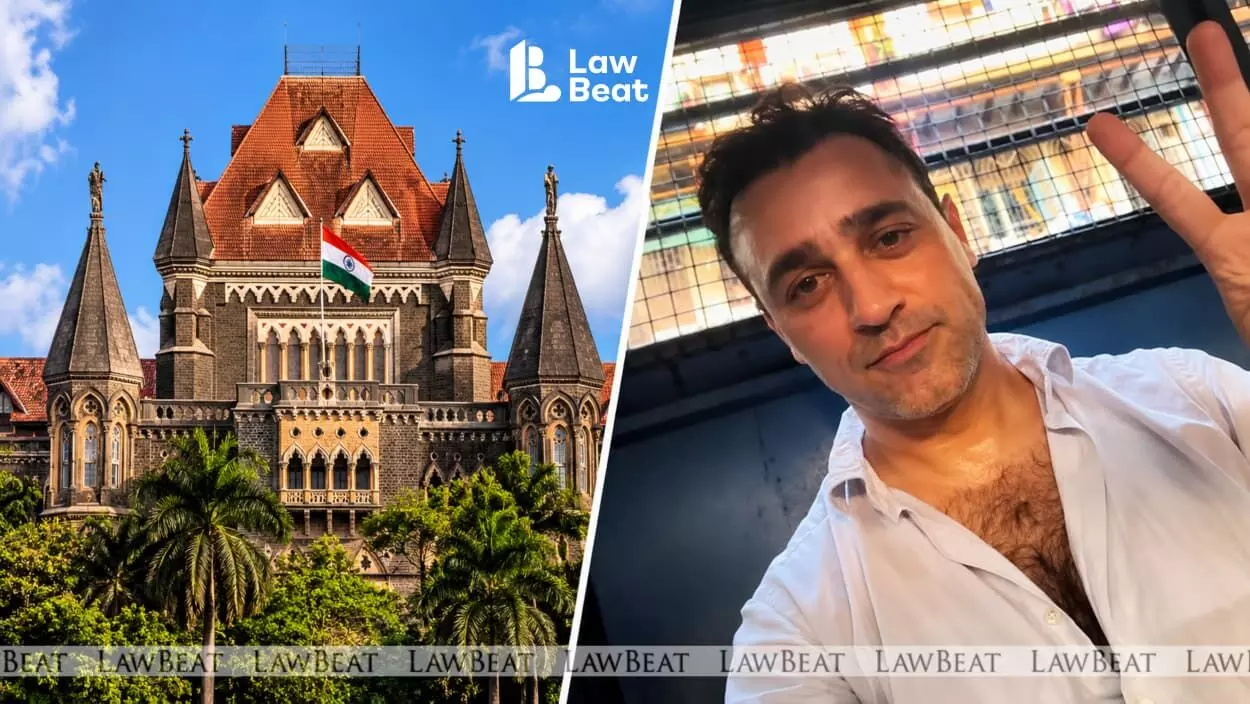
Bombay High Court: Imran Khan OCI Protest Apology Accepted, 'Leave India' Notice Suspended
Summary
- The Bombay High Court accepted actor Imran Khan's unconditional apology for participating in a protest.
- Khan committed to not joining similar protests in the future, leading to the court extending a stay on his 'Leave India Notice'.
- The court clarified that Overseas Citizen of India (OCI) cardholders do not possess the same protest rights as Indian citizens.
- The 'Leave India Notice' was issued by the Foreigners Regional Registration Office (FRRO), Mumbai, and had directed Khan to leave India by October 28.
- The court questioned Khan's participation, noting he was not directly affected by the Special Intensive Revision (SIR) exercise, which was the subject of the protest.
What Transpired
The court explicitly stated that OCI cardholders are not on par with Indian citizens and therefore cannot assert the same right to participate in public demonstrations.
The Bombay High Court recently accepted an unconditional apology from actor Imran Khan, who had participated in a protest advocating for the resignation of Chief Election Commissioner Gyanesh Kumar concerning the Special Intensive Revision (SIR) exercise. During a hearing on Monday, November 2, the court recorded Khan's commitment to refrain from engaging in similar agitations in the future. This development came as the court also extended the interim order that had suspended a 'Leave India Notice' previously issued to Khan by the Foreigners Regional Registration Office (FRRO) in Mumbai.
The 'Leave India Notice' had directed Khan to depart from India by October 28. The court's protection against this notice will remain in effect until the FRRO makes a final determination on the matter, following an opportunity for Khan to present his response. This decision by a Division Bench, comprising Chief Justice Mahesh Chandra Tripathi and Justice Advait Sethna, underscores the judicial perspective on the rights and responsibilities of Overseas Citizen of India (OCI) cardholders within the country.
Judicial Scrutiny and OCI Status
The court rigorously questioned Khan's involvement in the protest, particularly given his status as an OCI cardholder, which does not grant him voting rights in India. The Bench sought clarification on whether his presence at the gathering was for protest purposes or another reason, emphasizing the need for a definitive statement disassociating himself from the organizers and other participants. The court explicitly stated that OCI cardholders are not on par with Indian citizens and therefore cannot assert the same right to participate in public demonstrations.
Despite Khan having resided and worked in India for many years, gaining significant recognition, the court insisted on an unconditional apology in addition to his undertaking. Senior Advocate Venkatesh Dhond, representing Khan, highlighted his client's long-standing connection to India, having lived there for most of his life since his birth in the United States, and holding OCI status since 2006, preceded by Person of Indian Origin (PIO) status. Dhond also denied any association between Khan and the protest organizers or participants, and noted that Khan had not been summoned for questioning regarding any First Information Report (FIR).
Legal Framework and Future Implications
The Bombay High Court's ruling reinforces the distinct legal standing of Overseas Citizen of India cardholders compared to Indian citizens, particularly regarding political and social activism. The Chief Justice remarked that an individual participating in protests in a foreign country could face repercussions, implying that OCI cardholders in India cannot expect to exercise rights exclusively available to Indian citizens. The court further observed that Khan, being an OCI cardholder, was not directly impacted by the SIR exercise and therefore had no legitimate reason to be involved in the protest.
The extension of the stay on the 'Leave India Notice' provides a temporary reprieve for Khan, but the underlying issue of his OCI status and protest participation remains central. The FRRO had previously assured the court that no coercive measures would be taken against Khan until November 2, leading up to this latest hearing. The case is scheduled for further proceedings on December 7, where the implications of OCI cardholder protest rights in India will likely continue to be a focal point. This judgment serves as a critical reminder for OCI cardholders about the limitations on their rights concerning political or social agitations within India.
Practical Implications
This ruling clarifies that Overseas Citizen of India (OCI) cardholders do not possess the same rights as Indian citizens to participate in protests. Lawyers and compliance officers should advise OCI clients on the limitations of their rights regarding political or social agitations in India to prevent potential legal repercussions, such as 'Leave India' notices from the FRRO.
Source
How does this affect you?
Get an AI analysis of this article grounded in your jurisdictions, practice areas, and any policy documents you've uploaded to Wansom.
Wansom is AI and can make mistakes.