
IEBC, DCI: Deny Vote Smuggling Kenya Amid Voter Fraud Claims
Summary
- A recent investigation by The Standard newspaper into alleged cross-border vote smuggling has drawn strong reactions.
- Both the Independent Electoral and Boundaries Commission (IEBC) and the Directorate of Criminal Investigations (DCI) formally denied the allegations.
- IEBC Chairperson Erastus Edung Ethekon stated on Sunday evening that claims of illegal voter registration, unlawful voter transfers, and foreigner registration were "unsubstantiated and untrue."
- Both official bodies also questioned the timing of The Standard's report.
Investigation Sparks Official Backlash
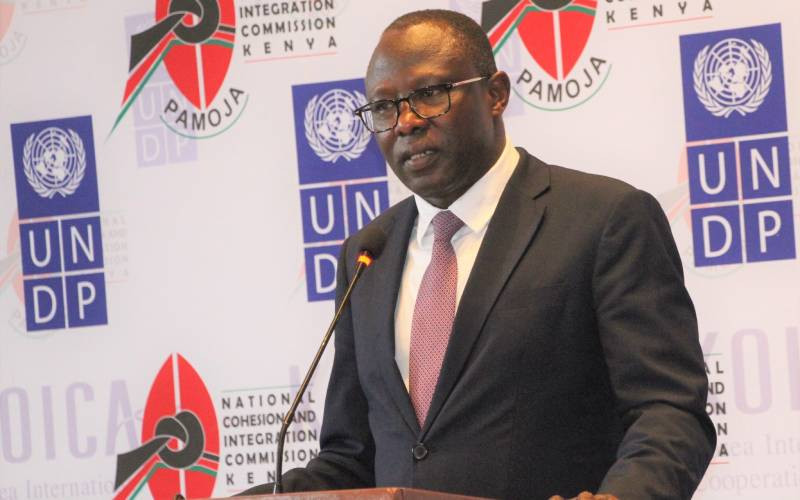
IEBC Chairperson Erastus Edung Ethekon, in a statement released on Sunday evening, firmly characterized the allegations of illegal voter registration, unlawful voter transfers, and the registration of foreign nationals as 'unsubstantiated and untrue'.
A recent investigative report by The Standard newspaper, focusing on alleged cross-border vote smuggling, has elicited significant and immediate reactions from key Kenyan governmental bodies. The publication's findings, which detailed claims of illicit electoral activities, continued to generate strong public and official responses throughout Monday following its initial release. The gravity of the accusations prompted a swift and coordinated rebuttal from authorities responsible for electoral oversight and criminal investigation.
In a unified front against the claims, both the Independent Electoral and Boundaries Commission (IEBC) and the Directorate of Criminal Investigations (DCI) issued formal statements. These official communications served to unequivocally deny the allegations presented within The Standard's investigation. Beyond their outright rejection of the claims, both the IEBC and DCI also expressed reservations regarding the timing of the newspaper's report, suggesting that its release might have been strategically motivated or ill-timed in the broader electoral context.
IEBC's Firm Rejection of Claims
The Independent Electoral and Boundaries Commission, central to Kenya's electoral processes, was quick to address the serious allegations. Its official denial was articulated by IEBC Chairperson Erastus Edung Ethekon, who released a comprehensive statement on Sunday evening. This statement directly confronted the core assertions made in The Standard's report, aiming to reassure the public and stakeholders about the integrity of the voter registration system.
Chairperson Ethekon specifically refuted several critical accusations that touch upon the very foundation of electoral fairness and transparency. He firmly characterized the allegations of illegal voter registration, unlawful voter transfers within the electoral roll, and the purported registration of foreign nationals as "unsubstantiated and untrue." This direct and strong language from the head of the electoral body underscores the seriousness with which such claims are viewed, particularly given their potential to undermine public confidence in upcoming or past elections.
DCI's Stance and Broader Context
Parallel to the IEBC's rebuttal, the Directorate of Criminal Investigations also issued its own formal denial, reinforcing the official position against The Standard's report. As the primary investigative arm of the government, the DCI's involvement highlights the potential criminal implications of such allegations, had they been substantiated. Their joint denial with the IEBC signals a united institutional stance on the matter, emphasizing a commitment to DCI electoral integrity statements.
The allegations of Kenya voter fraud, particularly those involving IEBC cross-border voter registration and unlawful voter transfers Kenya, are highly sensitive in the nation's political landscape. Such claims can quickly escalate into significant public discourse and political contention, making the swift and categorical denials from both the IEBC and DCI crucial. These official responses aim to dispel doubts and maintain public trust in the electoral framework, asserting that the reported irregularities lack factual basis.
Implications for Electoral Trust
The immediate and forceful denials from both the Independent Electoral and Boundaries Commission and the Directorate of Criminal Investigations carry significant weight in the ongoing public conversation about electoral transparency. In a country where the integrity of the voting process is paramount, any suggestion of widespread irregularities, such as those detailed in The Standard's investigation, can erode public confidence. The official statements, therefore, serve as a critical effort to safeguard the perceived fairness and robustness of Kenya's electoral system.
Despite the strong official stance that the claims are unsubstantiated, the very act of such an investigation being published and subsequently denied underscores the continuous scrutiny faced by electoral bodies. The official position remains that the allegations of vote smuggling and related malpractices are without factual foundation, yet the incident highlights the persistent need for vigilance and clear communication from authorities regarding the security and accuracy of voter registration processes.
Practical Implications
Lawyers advising on Kenyan electoral law or political campaigns should monitor further developments regarding these allegations, as they highlight ongoing scrutiny of voter registration integrity and could inform future electoral disputes or compliance advice.
Source
How does this affect you?
Get an AI analysis of this article grounded in your jurisdictions, practice areas, and any policy documents you've uploaded to Wansom.
Finish Reading the Full Story and the Expert Analysis.
Get the latest legal & regulatory intelligence in Kenya
Wansom is AI and can make mistakes.