
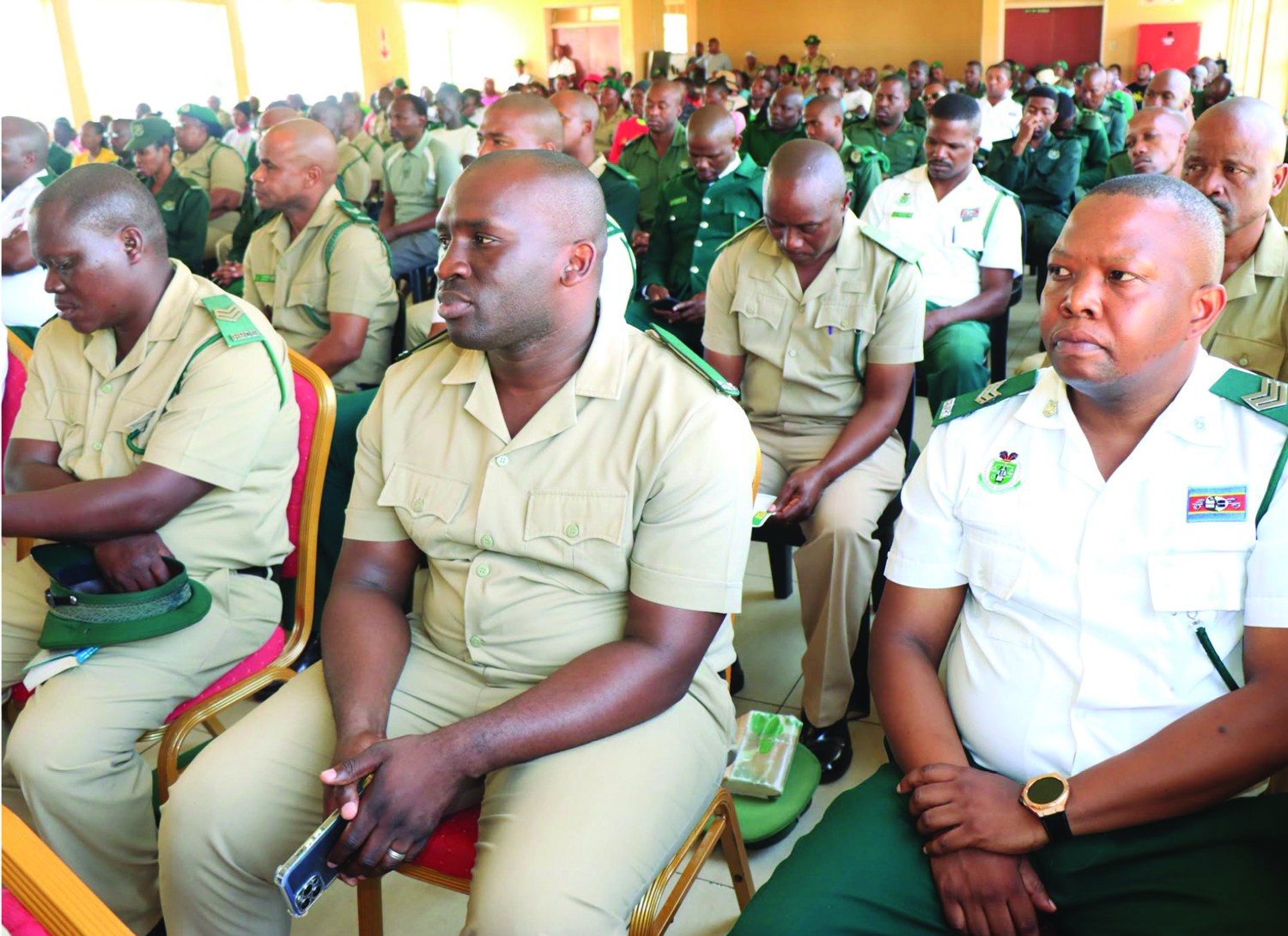
HMCS Eswatini: Officer Suicide Response Focuses on Spiritual Measures
Summary
- His Majesty’s Correctional Services (HMCS) in Eswatini is experiencing a troubling increase in suicide cases among its officers.
- The institution's primary strategy to address this mental health crisis involves prayer and spiritual reflection.
- The issue gained sharp focus following the reported death of a Royal Guard sergeant, who allegedly took his own life by shooting himself at his residence.
- This situation highlights a critical workplace mental health crisis within a key public institution in Eswatini.
The Alarming Trend
This development highlights a critical workplace mental health crisis within a key public institution in Eswatini.
His Majesty’s Correctional Services (HMCS) in Eswatini is confronting a serious and growing challenge: a notable increase in suicides among its uniformed personnel. This concerning trend has prompted significant internal reflection within the institution, highlighting a pressing issue of Eswatini correctional officer mental health. The rise in these tragic incidents signals a critical workplace mental health crisis affecting a key public service sector, demanding immediate and effective intervention.
The gravity of the situation was underscored by a recent, specific event that brought the issue into sharp public focus. This involved the reported death of a sergeant who was assigned to the Eswatini Royal Guard. The officer is understood to have died by shooting himself, an act that has been described as an alleged suicide, occurring at his residence. This particular incident served to amplify the urgent need for effective workplace suicide prevention within HMCS and across the broader Eswatini public service, drawing attention to the profound pressures faced by these essential workers.
Institutional Response and Broader Context
In response to the escalating number of officer suicides, the HMCS leadership has primarily turned to spiritual measures. The institution has initiated a strategy centered on prayer and spiritual reflection as its approach to addressing the mental health crisis among its ranks. This reliance on spiritual intervention underscores a broader challenge in addressing mental health within Eswatini's public service, particularly for uniformed personnel who face unique occupational stressors.
The focus on spiritual solutions, while potentially offering comfort, raises questions about the comprehensiveness of the current Eswatini public service mental health support systems. Effective workplace suicide prevention typically involves a multi-faceted approach, encompassing psychological support, stress management programs, and accessible mental healthcare services. The current HMCS Eswatini officer suicide response highlights a potential gap in the provision of such comprehensive support mechanisms for its employees.
Implications for Public Service Welfare
The ongoing situation within His Majesty's Correctional Services Eswatini carries significant implications for employee welfare and organizational responsibility. Employers, especially those within the public sector or large organizations, bear a duty of care to their personnel, which extends to safeguarding their mental well-being. The rising suicide rates suggest that existing support structures may be insufficient to meet the complex mental health needs of correctional officers, who often operate under stressful and demanding conditions.
Addressing this crisis effectively requires a re-evaluation of occupational health and safety policies to integrate robust mental health provisions, moving beyond traditional responses. For legal advisors, this scenario emphasizes the importance of reviewing clients' employee welfare programs to ensure they include comprehensive mental health support, thereby mitigating potential liability and fulfilling their duty of care. Beyond spiritual guidance, a proactive and holistic approach to Eswatini correctional officer mental health is essential for the well-being of its officers and the stability of the institution, ensuring a safer and more supportive work environment.
Practical Implications
This development highlights a critical workplace mental health crisis within a key public institution in Eswatini. Lawyers advising employers, particularly in the public sector or large organizations, should review their clients' occupational health and safety policies and employee welfare programs to ensure robust mental health support mechanisms are in place, mitigating potential liability and ensuring duty of care beyond spiritual intervention.
Source
How does this affect you?
Get an AI analysis of this article grounded in your jurisdictions, practice areas, and any policy documents you've uploaded to Wansom.
Finish Reading the Full Story and the Expert Analysis.
Get the latest legal & regulatory intelligence in Eswatini
Wansom is AI and can make mistakes.