
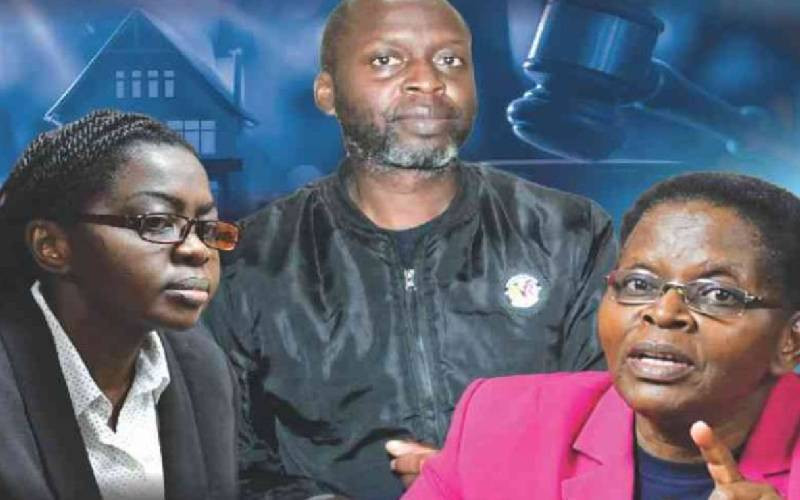
Ndetei: Opposes Mbithe Mulwa Bail Over Intimidation Claims
Summary
- Professor David Ndetei has urged the Kenya High Court to deny bail to his former wife, Rose Mbithe Mulwa, and their two children.
- Ndetei's opposition stems from claims that his former wife and children have been intimidating him.
- The case involves the murder of Dr. Victoria Mutiso, who was Professor Ndetei's wife.
- Ndetei has also stated that he believes his life is in danger due to the alleged intimidation.
What Happened
Ndetei's opposition is rooted in serious allegations that his former wife and children have engaged in intimidating behavior directed towards him, further asserting that his life is in danger as a result.
Professor David Ndetei has formally requested the Kenya High Court to reject the bail application submitted by his former wife, Rose Mbithe Mulwa, and their two children. This significant development arises in the ongoing legal proceedings surrounding the murder of Dr. Victoria Mutiso, Ndetei's late wife. Ndetei's opposition is rooted in serious allegations that his former wife and children have engaged in intimidating behavior directed towards him, further asserting that his life is in danger as a result.
Legal Context of Bail Applications
In Kenya's judicial system, particularly in cases involving serious offenses such as murder, the High Court holds the authority to grant or deny bail. While the right to bail is a constitutional entitlement, it is not absolute and can be curtailed under specific circumstances, especially when there are compelling reasons presented by the prosecution or other interested parties. One of the most significant grounds for opposing bail, as articulated in various legal precedents, is the potential for interference with witnesses or the course of justice.
Claims of witness intimidation, such as those raised by Professor Ndetei against Rose Mbithe Mulwa and her children, are taken with utmost seriousness by the courts. Such allegations suggest a risk that the accused, if released, might compromise the integrity of the trial by influencing witnesses, destroying evidence, or otherwise obstructing justice. The Kenya High Court, in considering a bail hearing, must carefully weigh the presumption of innocence against the need to protect the judicial process and ensure the safety of all parties involved, including the complainant or key witnesses.
Why It Matters
The opposition to Rose Mbithe Mulwa's bail application, predicated on Ndetei's intimidation claims, carries substantial implications for the ongoing Victoria Mutiso murder case and for the broader administration of justice. Should the High Court find Professor Ndetei's allegations credible, it could lead to the denial of bail for his former wife and children, meaning they would remain in custody throughout the duration of the trial. This outcome would significantly impact their pre-trial liberty and defense strategy.
Furthermore, this development highlights the critical importance of protecting individuals who come forward with information or testimony in criminal proceedings. Allegations of intimidation, particularly from a party directly connected to the victim, serve as a stark reminder of the challenges faced by the justice system in balancing the rights of the accused with the imperative to ensure a fair and unhindered trial. The court's decision in this Kenya High Court bail hearing will set an important precedent regarding how seriously such claims are considered in determining pre-trial release for individuals accused in high-stakes murder cases.
Practical Implications
This development highlights the grounds on which bail applications can be opposed in Kenyan murder cases, particularly concerning allegations of witness intimidation. Lawyers should note how such claims influence judicial discretion in granting or denying bail, impacting defense strategies for clients accused of serious crimes.
Source
How does this affect you?
Get an AI analysis of this article grounded in your jurisdictions, practice areas, and any policy documents you've uploaded to Wansom.
Finish Reading the Full Story and the Expert Analysis.
Get the latest legal & regulatory intelligence in Kenya
Wansom is AI and can make mistakes.