
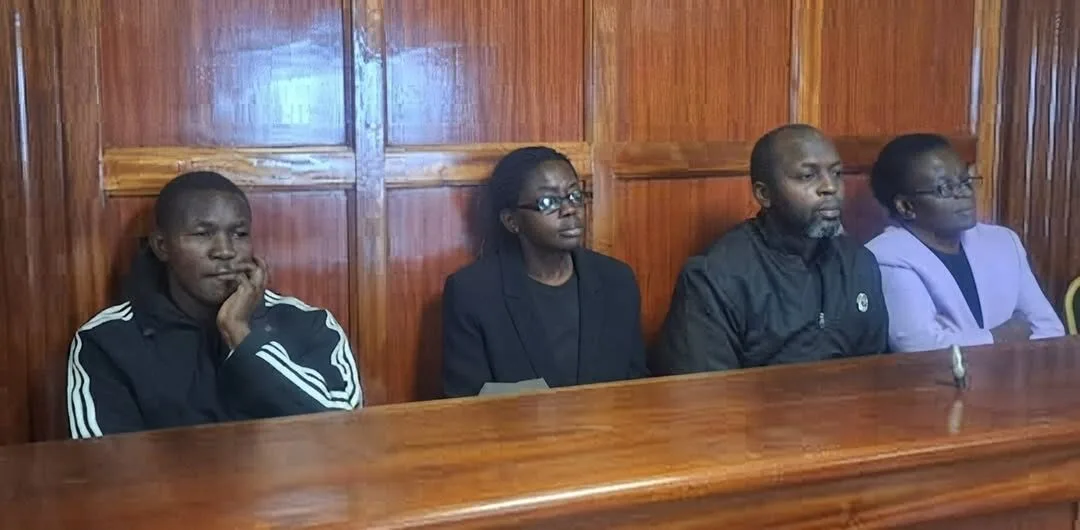
Kenya: State Opposes Victoria Mutiso Murder Bail Over Witness Interference
Summary
- Seven individuals, including politician Rose Mbithe Mulwa, face murder charges for the killing of psychiatrist Dr. Victoria Mutiso.
- The prosecution opposes bail for all accused, citing fears of witness interference, evidence destruction, and ongoing investigations.
- The alleged murder, which occurred on July 29, 2026, is linked to a long-standing dispute over a 20-acre property in Mlolongo.
- Some witnesses are under the protection of the Kenya Witness Protection Agency, and there are allegations of attempts to harm cooperating individuals.
- Telecommunications and electronic evidence reportedly connects some accused to the alleged pre-planned attack against Dr. Mutiso.
Court Proceedings and Bail Opposition
This case highlights the stringent grounds on which the Kenyan State will oppose bail in serious criminal matters, particularly murder, when concerns about witness interference, destruction of evidence, or ongoing investigations are present.
A Milimani High Court session on Tuesday, October 6, saw the prosecution vehemently oppose the release on bail of seven individuals implicated in the murder of psychiatrist Dr. Victoria Mutiso. Presiding over the proceedings, Justice Alexander Muteti heard arguments from the State, which cited significant concerns regarding potential witness interference and the integrity of ongoing investigations as primary reasons to deny bail in this high-profile Victoria Mutiso murder bail witness interference Kenya case.
The seven accused, including politician Rose Mbithe Mulwa, her children Chris Mulwa and Angela Mulwa, Police Constable Elijah Kibelion Kimoi, and Maritim Kimutai (also known as Kim), had initially pleaded not guilty on September 29. Their cases were subsequently consolidated with two additional suspects, Police Constable Collins Bett Kiplangat and Pius Muiru Mbugua (alias Headboy), who were apprehended in Uganda and extradited to Kenya. All seven individuals entered fresh pleas of not guilty to the murder charge, as affirmed by Justice Muteti.
The charge sheet details that Dr. Mutiso was tragically murdered on July 29, 2026, at approximately 9:30 AM, along Mawensi Road within Kilimani Sub-County. The prosecution alleges that the seven accused acted alongside other individuals who have yet to be brought before the court. This Milimani High Court murder bail hearing is pivotal, as the State seeks to ensure that the judicial process is not compromised by the release of the suspects.
Grounds for Bail Denial and Alleged Motive
State counsel Jalson Makori presented the prosecution's robust arguments against bail, emphasizing the critical need to protect witnesses and preserve evidence. These arguments were further substantiated by an affidavit filed by homicide investigations officer Corporal Romana Odour, which outlined the various risks posed by the accused's potential release. Investigators contend that granting bail could expose witnesses to intimidation, provide opportunities for the destruction or concealment of crucial evidence, and allow communication with other individuals still sought by law enforcement.
Central to the prosecution's case is an alleged long-standing dispute involving Dr. Mutiso, her husband, and the first three accused: Rose Mbithe Mulwa, Chris Mulwa, and Angela Mulwa. This conflict reportedly centered on a 20-acre property located in Mlolongo. Dr. Mutiso's husband has been identified as a key prosecution witness, and the State has expressed particular concern over the existing relationship between him and the initial three accused, fearing it could impact witness safety and independence.
The prosecution's affidavit further alleges that the first three accused were well-acquainted with the deceased and her family, and are believed to have been part of a broader group that meticulously planned and facilitated the killing. This alleged pre-meditation involved months of surveillance, gathering intelligence on Dr. Mutiso and her family, and coordinating communications and logistics leading up to the attack. Telecommunications and electronic evidence gathered during the investigation reportedly links some of the accused to meetings and communications directly related to the alleged planned assault, reinforcing the State counsel Jalson Makori bail arguments.
Witness Protection and Investigative Integrity
The State's opposition to bail is significantly bolstered by concerns for witness safety, particularly given that some individuals providing testimony are known to the accused, while others have been placed under the protection of the Kenya Witness Protection Agency. An affidavit from Dr. Mutiso's husband, specifically concerning the first, second, and third accused, is expected to play a prominent role in the bail arguments, highlighting the intricate relationships at play and the potential for undue influence.
Further underscoring the gravity of the situation, the investigating officer's affidavit includes allegations of active attempts to interfere with individuals cooperating with detectives. On August 20, police reportedly received intelligence detailing a plan to harm suspects who were assisting the investigation. This intelligence points to a concerted effort to obstruct justice, making the State's stance against bail even more stringent.
In connection with these broader investigative efforts, Maritim Kimutai was arrested at Pangani. The prosecution's firm stance in the Dr Victoria Mutiso murder case reflects a commitment to safeguarding the integrity of the judicial process, ensuring that all evidence can be presented without fear of compromise or intimidation. This case highlights the stringent grounds on which the Kenyan State will oppose bail in serious criminal matters, particularly murder, when concerns about witness interference, destruction of evidence, or ongoing investigations are present.
Practical Implications
This case highlights the stringent grounds on which the Kenyan State will oppose bail in serious criminal matters, particularly murder, when concerns about witness interference, destruction of evidence, or ongoing investigations are present. Lawyers representing clients in similar high-profile cases must be prepared to counter robust prosecution arguments against bail, especially where there are pre-existing relationships between the accused and witnesses or allegations of attempts to obstruct justice.
Source
How does this affect you?
Get an AI analysis of this article grounded in your jurisdictions, practice areas, and any policy documents you've uploaded to Wansom.
Finish Reading the Full Story and the Expert Analysis.
Get the latest legal & regulatory intelligence in Kenya
Wansom is AI and can make mistakes.