
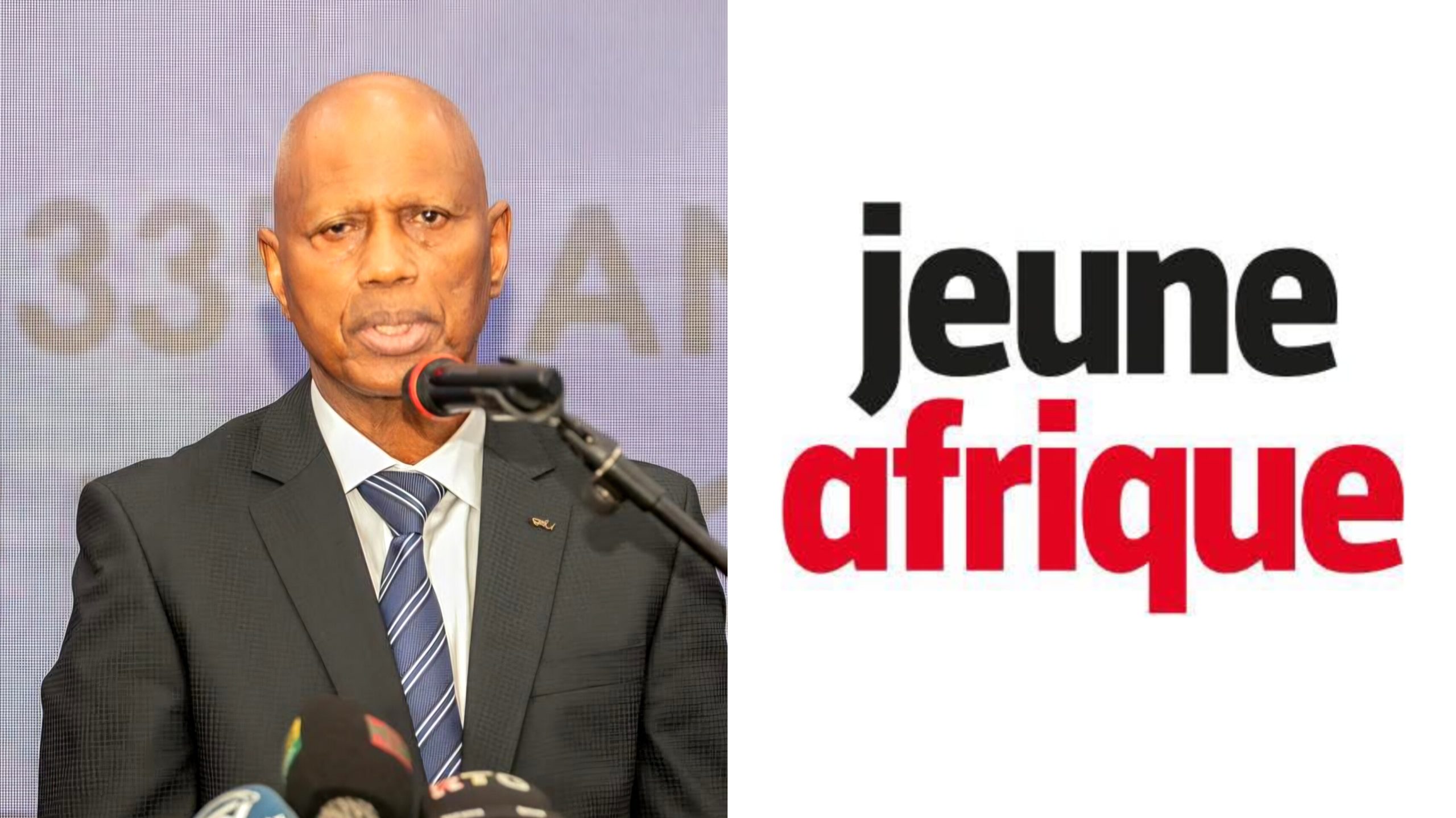
HAC Guinée: Retires Jeune Afrique Correspondent's Accreditation
Summary
- Guinea's Haute Autorité de la Communication (HAC) has revoked the journalistic accreditation of Mamadou Diawo Barry.
- Mr. Barry served as the permanent correspondent for the international media outlet Jeune Afrique.
- The decision was made by the HAC's College of Commissioners during an ordinary session on September 16, 2026.
- The HAC is the official media regulatory institution in Guinea.
- This action impacts Jeune Afrique's operational capacity and signals a notable development in Guinean media regulation.
Accreditation Withdrawn for Jeune Afrique Correspondent
This action by the HAC Guinée retire accréditation Jeune Afrique could contribute to a perception of a tightening regulatory environment for media organizations and their representatives operating in Guinea.
In a significant move affecting international media operations in Guinea, the Haute Autorité de la Communication (HAC) has officially revoked the journalistic accreditation of Mamadou Diawo Barry, the permanent correspondent for the prominent international publication Jeune Afrique. This decision, which represents a direct sanction against the media outlet's representative, was finalized during an ordinary session convened by the College of Commissioners of the HAC.
The regulatory body's action, which directly impacts the ability of Mr. Barry to operate as an accredited journalist within the country, took effect following the session held on Wednesday, September 16, 2026. The withdrawal of Mamadou Diawo Barry's accreditation by the HAC Guinée signals a notable development in the landscape of media regulation and foreign correspondent activities within the West African nation.
Guinea's Media Regulatory Framework
The Haute Autorité de la Communication (HAC) functions as Guinea's primary institution responsible for the oversight and regulation of media activities across the country. Its College of Commissioners is tasked with making crucial decisions pertaining to media conduct, compliance, and the professional standing of journalists operating within Guinean borders. The recent decision to withdraw the accreditation of Jeune Afrique's correspondent underscores the HAC's active role in enforcing its regulatory mandate.
Such actions by the Guinean media regulatory institution highlight the powers vested in the HAC to manage and control the operations of both local and international journalists. The process of accreditation is fundamental for journalists to legally practice their profession in Guinea, and its revocation, as seen in the sanction against Jeune Afrique Guinée, effectively curtails a correspondent's ability to report from within the country.
Implications for Press Freedom and Foreign Media
The decision by the Haute Autorité de la Communication Guinée to withdraw Mamadou Diawo Barry's accreditation carries significant implications for the broader environment of press freedom in the nation. While the specific reasons for the sanction were not detailed in the immediate announcement, the act itself can be interpreted as a signal regarding the evolving regulatory stance towards media, particularly foreign correspondents.
This action by the HAC Guinée retire accréditation Jeune Afrique could contribute to a perception of a tightening regulatory environment for media organizations and their representatives operating in Guinea. For international media organizations and businesses with significant media relations in the country, such regulatory decisions are critical indicators of potential risks to press freedom and operational compliance within the jurisdiction, impacting the broader discourse around the droit de la presse Guinée and liberté de la presse Guinée.
Practical Implications
This action by the HAC signals a potentially tightening regulatory environment for media and foreign correspondents in Guinea. Lawyers advising international media organizations or businesses with significant media relations in Guinea should monitor such regulatory decisions closely, as they may indicate evolving risks to press freedom and operational compliance within the jurisdiction.
Source
Source: Original reporting via {source}
How does this affect you?
Get an AI analysis of this article grounded in your jurisdictions, practice areas, and any policy documents you've uploaded to Wansom.
Finish Reading the Full Story and the Expert Analysis.
Get the latest legal & regulatory intelligence in Guinea
Wansom is AI and can make mistakes.