
Guinée Banque Centrale: LFR 2026 Alerte Inflation, Urges Fiscal Discipline
Summary
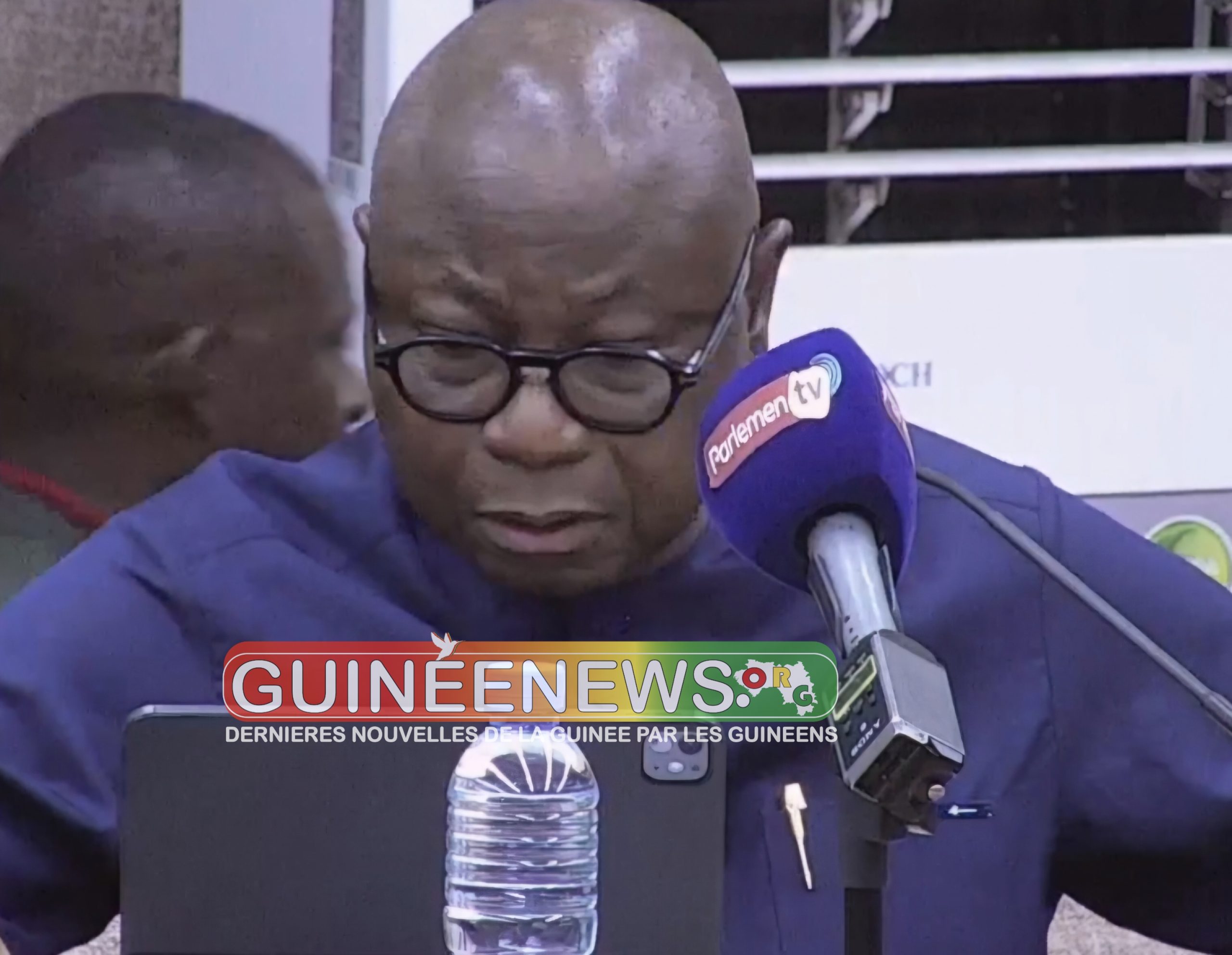
- Mohamed Lamine Conté, first vice-governor of the BCRG, addressed the National Assembly on October 24, 2026.
- His declaration focused on the economic implications of the draft Rectified Finance Law (LFR) 2026.
- The central bank specifically issued a warning about potential inflationary risks associated with the LFR 2026.
- Conté emphasized the critical need to control inflation and preserve the nation's foreign exchange reserves.
- The BCRG called for strict budgetary discipline from the government in its fiscal planning for 2026.
What Happened
This alert from the Guinée Banque Centrale alerte inflation carries significant weight for the country's economic trajectory.
On Saturday, October 24, 2026, Mohamed Lamine Conté, serving as the first vice-governor of the Banque Centrale de la République de Guinée (BCRG), delivered a significant address to the National Assembly deputies. His declaration focused on the critical economic implications embedded within the proposed Loi de finances rectificative 2026 Guinée. This intervention by a senior central bank official underscored the gravity of the financial landscape facing the nation.
During his appearance before the legislative body, Conté specifically highlighted the urgent need for robust economic management. His remarks served as a clear warning from the Guinée Banque Centrale, particularly concerning potential inflationary pressures that could arise from the revised budgetary framework. This alert on inflation is a key takeaway from the session, signaling the central bank's proactive stance on fiscal prudence.
Economic Concerns and Central Bank's Warning
The core of the central bank's message, articulated by Conté, revolved around the imperative to control inflation. The BCRG's assessment pointed to significant BCRG risques inflationnistes associated with the LFR 2026, suggesting that without careful oversight, the revised financial law could exacerbate price increases across the economy. This concern is paramount for maintaining economic stability and protecting the purchasing power of Guinean citizens.
Furthermore, the first vice-governor stressed the vital importance of safeguarding the nation's foreign exchange reserves. These reserves are crucial for supporting the Guinean currency, facilitating international trade, and absorbing external economic shocks. The central bank's emphasis on both inflation control and reserve preservation indicates a comprehensive view of monetary stability, urging the government to consider these factors meticulously in its fiscal planning.
Call for Fiscal Discipline
Conté's declaration was not merely an identification of risks but also a direct appeal for enhanced fiscal responsibility. He advocated strongly for discipline budgétaire Guinée 2026, emphasizing that the government's spending and revenue policies outlined in the Rectified Finance Law must align with broader macroeconomic stability goals. This call for discipline is a cornerstone of sound economic governance, especially when facing potential inflationary headwinds.
The Banque Centrale de la République de Guinée, through its vice-governor, effectively communicated that the proposed LFR 2026 must be crafted with an acute awareness of its potential impact on the national economy. The central bank's role in guiding fiscal policy, even indirectly through warnings and recommendations, highlights the interconnectedness of monetary and fiscal actions in achieving sustainable growth and price stability.
Why It Matters
This alert from the Guinée Banque Centrale alerte inflation carries significant weight for the country's economic trajectory. It signals a potential tightening of politique monétaire Guinée if fiscal measures are not adequately managed, impacting everything from interest rates to credit availability. The central bank's public statement to the National Assembly underscores its commitment to its mandate of price stability and financial system integrity.
For stakeholders, including investors and businesses operating within Guinea, this declaration by Mohamed Lamine Conté serves as a crucial indicator of the economic climate. It suggests that the government will be under increased pressure to demonstrate fiscal prudence and manage its finances responsibly, particularly in the context of the Loi de finances rectificative 2026 Guinée. The central bank's proactive stance aims to preempt economic instability, making its warning a pivotal moment for future economic planning and policy adjustments.
Practical Implications
Lawyers advising clients on financial investments, currency risk, or government contracts in Guinea should anticipate potential shifts in monetary policy and increased fiscal scrutiny following the Central Bank's inflation warning and call for budgetary discipline regarding the 2026 Rectified Finance Law.
Source
How does this affect you?
Get an AI analysis of this article grounded in your jurisdictions, practice areas, and any policy documents you've uploaded to Wansom.
Finish Reading the Full Story and the Expert Analysis.
Wansom is AI and can make mistakes.