
Guinée Supreme Court: Algassimou Diallo Trial Boycott After Recusal Rejection
Summary
- Algassimou Diallo's legal team decided to boycott his trial before the Supreme Court of Guinea.
- This action followed the court's rejection of their request to recuse three magistrates.
- The defense's motion to annul the referral order for the case was also denied.
- The lawyers suspended their participation in the proceedings immediately after these rulings.
- The boycott highlights significant procedural disputes and challenges to judicial impartiality within Guinea's highest court.
What Transpired in Conakry
Such a dramatic step by legal counsel underscores deep-seated concerns regarding the procedural fairness and impartiality of the judicial process, especially in cases involving former public officials like Mr. Diallo.
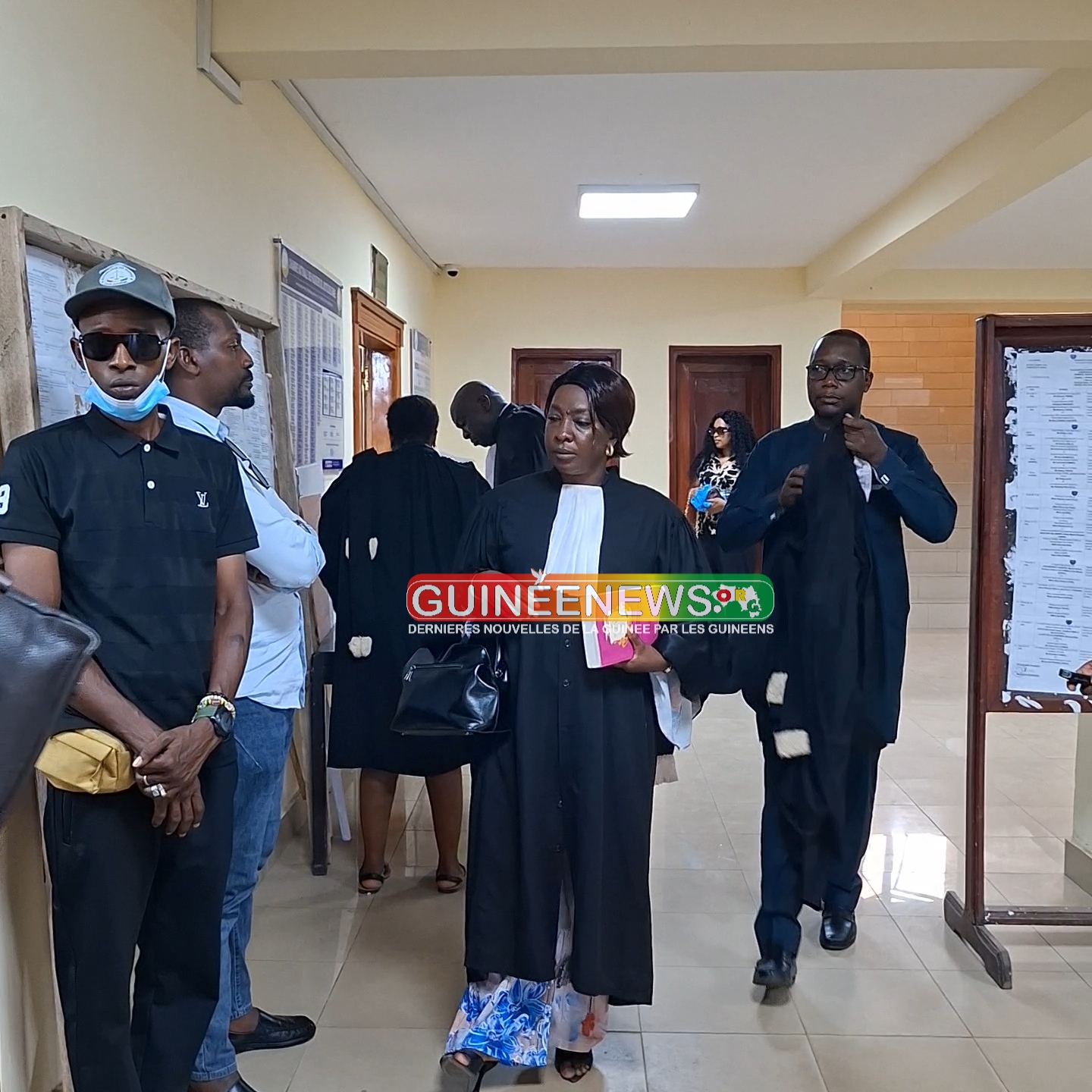
A significant development unfolded in the ongoing judicial proceedings involving Algassimou Diallo before Guinea's Supreme Court. The legal representatives for the former magistrate announced their decision to cease participation in the trial, a move that introduces a new layer of complexity to the high-profile case. This suspension of engagement by Algassimou Diallo's legal team, often referred to as an "Algassimou Diallo avocats boycott," occurred directly after the court delivered its rulings on two critical motions presented by the defense.
The defense team had formally requested the recusal of three specific magistrates assigned to the case, citing concerns that were not publicly detailed in the immediate aftermath. Concurrently, they also sought the annulment of the referral order, a procedural document crucial for initiating the trial. Both of these substantive requests, aimed at challenging the composition of the judicial panel and the very foundation of the prosecution, were ultimately rejected by the Supreme Court. Following these adverse decisions, the legal counsel for Mr. Diallo exited the courtroom and promptly declared their withdrawal from the proceedings.
Legal Procedural Context
The requests made by Algassimou Diallo's defense team touch upon fundamental aspects of judicial fairness and due process within the Guinean legal system. A demand for the recusal of magistrates, or "récusation magistrats Guinée," is typically lodged when there are grounds to believe a judge's impartiality might be compromised, potentially affecting the fairness of the trial. Such a motion aims to ensure that justice is administered by an unbiased panel, a cornerstone of any equitable legal system.
Similarly, the petition for the annulment of the referral order, or "ordonnance de renvoi annulation," represents an attempt to challenge the legal basis upon which the case was sent to the Supreme Court for trial. If successful, such an annulment could effectively halt the proceedings by invalidating the procedural step that brought the matter before the higher court. The rejection of both these motions, therefore, signifies the court's affirmation of the magistrates' impartiality and the validity of the referral process, despite the defense's objections.
Implications for Judicial Integrity
The decision by Algassimou Diallo's legal team to boycott the "Guinée Cour Suprême procès" following the denial of their motions carries significant weight for the perception of judicial independence and integrity in the nation. Such a dramatic step by legal counsel underscores deep-seated concerns regarding the procedural fairness and impartiality of the judicial process, especially in cases involving former public officials like Mr. Diallo. This "Algassimou Diallo Supreme Court trial boycott" could set a challenging precedent for how future high-profile "Algassimou Diallo legal proceedings" and similar cases are handled, particularly concerning the avenues available to challenge judicial composition or procedural validity.
This situation highlights the ongoing tension between judicial authority and the rights of the defense to ensure a fair trial, potentially influencing broader discussions about legal reforms and the protection of due process in Guinea. The public nature of this boycott draws attention to the critical importance of transparent and impartial judicial mechanisms, especially when the Supreme Court, as the highest judicial body, is involved. The ramifications of this event extend beyond the immediate trial, potentially impacting public trust in the judiciary and the perceived efficacy of legal challenges to judicial decisions.
Practical Implications
Lawyers and compliance officers should note this development as it highlights significant procedural disputes and challenges to judicial impartiality within Guinea's Supreme Court. The boycott by Algassimou Diallo's legal team, following rejected recusation and annulment requests, could set precedents regarding due process, fair trial rights, and the handling of judicial challenges in high-profile cases in Guinea.
Source
How does this affect you?
Get an AI analysis of this article grounded in your jurisdictions, practice areas, and any policy documents you've uploaded to Wansom.
Finish Reading the Full Story and the Expert Analysis.
Get the latest legal & regulatory intelligence in Guinea
Wansom is AI and can make mistakes.