
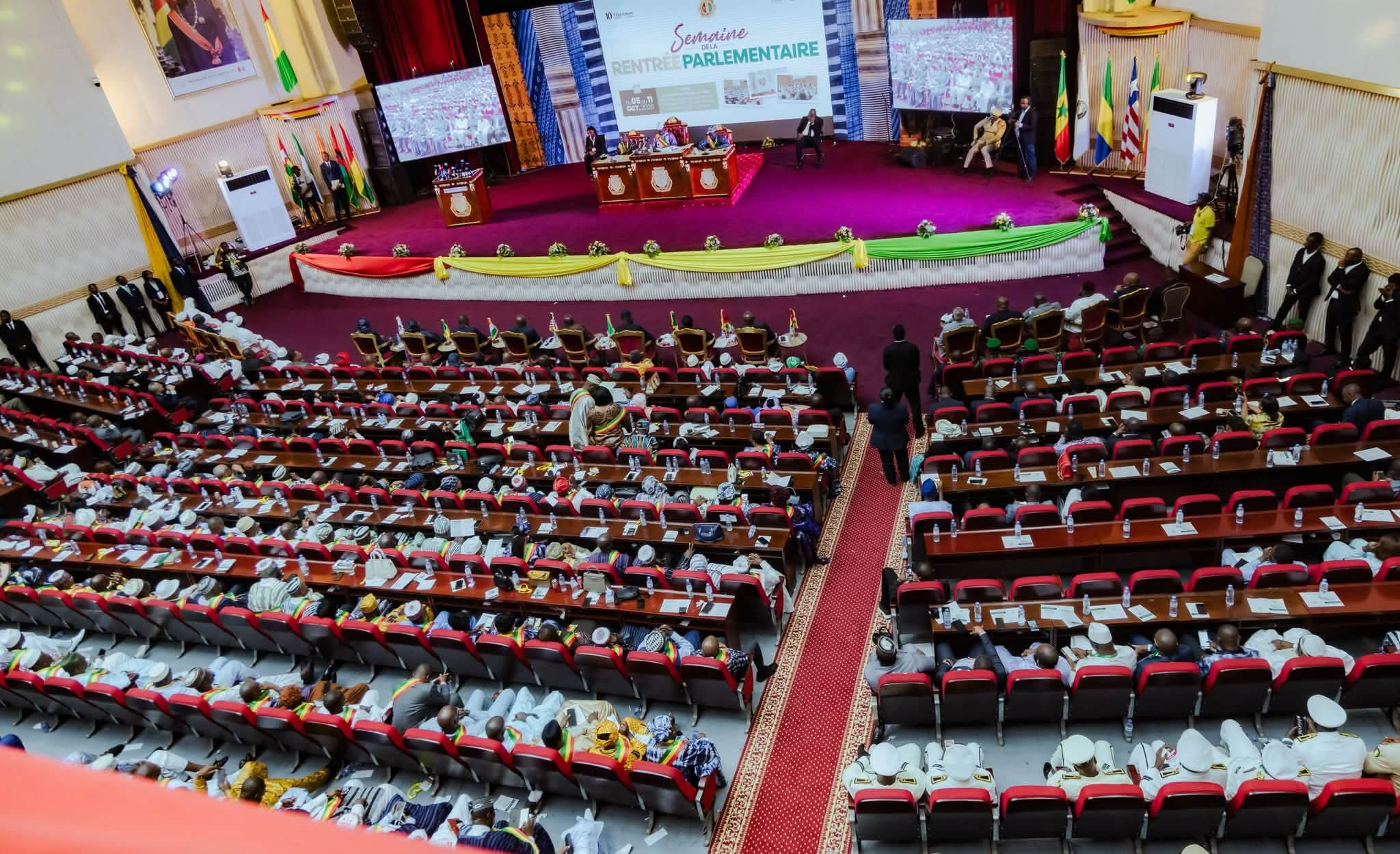
Guinea Parliament: Bill Creating Sovereign Fund Adopted
On November 25, Guinean deputies adopted a bill to establish a sovereign wealth fund, which is slated to receive 30% of public revenues from the Simandou project, with an initial endowment of one billion dollars to be mobilized over five years.
This legislative action marks a pivotal moment for Guinea's long-term economic planning and resource management, particularly concerning the substantial revenues anticipated from the Simandou iron ore project. The creation of such a fund signals a strategic commitment to fostering macroeconomic stability, promoting intergenerational equity by preserving wealth for future generations, and potentially mitigating the economic volatility often associated with resource-dependent economies. For legal practitioners and businesses, this fund represents a new, significant financial institution that will undoubtedly influence Guinea's economic landscape, investment priorities, and the allocation of national resources.
The adoption of a "projet de loi" (bill) by the "députés" (parliamentarians) underscores the legislative process within Guinea's National Assembly, which holds primary legislative authority. The bill's scope, covering the fund's "création, organisation et fonctionnement" (creation, organization, and functioning), indicates that it will establish the foundational legal framework for its governance, investment mandates, and operational protocols. This development intersects with various legal domains, including public finance law, mining law (given the Simandou project's central role), and potentially constitutional law regarding national resource management and fiscal responsibility. The specific details of the fund's structure will be crucial for understanding its legal personality and operational autonomy.
The primary key parties involved are the Guinean Parliament, which formally adopted the bill, and the Guinean State, which will be responsible for the fund's establishment and oversight. Indirectly, stakeholders in the Simandou project, including various mining companies and government entities, are significant as they are the source of the substantial revenues intended for the fund. The fund itself, once operational, will become a major institutional player in the Guinean economy.
Attorneys advising clients with interests in Guinea, particularly in the mining, finance, or infrastructure sectors, should closely monitor the final promulgation and subsequent implementation of this law. A thorough understanding of the fund's governance structure, investment policies, and transparency mechanisms will be essential for assessing its impact on the broader investment climate and identifying potential opportunities or risks. Businesses should evaluate how the fund's existence might influence future government spending, infrastructure development, and the overall economic stability of the nation. Furthermore, the precise conditions for revenue allocation from the Simandou project will be of paramount importance for mining companies operating or planning to operate in Guinea.
How does this affect you?
Get an AI analysis of this article grounded in your jurisdictions, practice areas, and any policy documents you've uploaded to Wansom.
Finish Reading the Full Story and the Expert Analysis.
Get the latest legal & regulatory intelligence in Guinea
Wansom is AI and can make mistakes.