
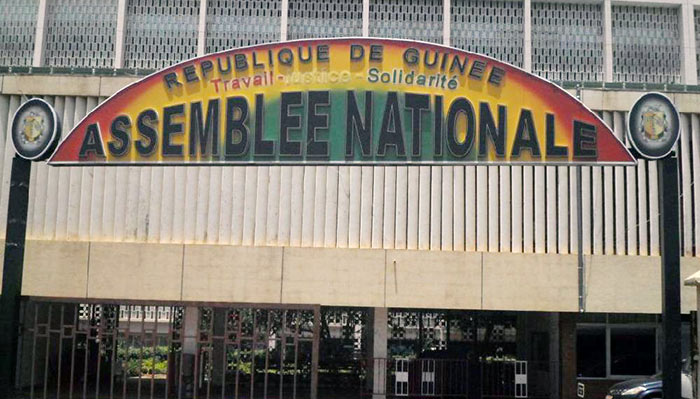
Guinée Parlement: Exigences Budgétaires Fortes pour PLFR 2026
Summary
- The National Assembly in Guinée has issued a report on the revenue section of the Projet de Loi de Finances Rectificative (PLFR) 2026.
- This report comes just hours before the decisive adoption of the PLFR 2026's revenue component.
- The Assembly's report follows weeks of intense consultations with ministerial departments, the Central Bank, and other major state institutions.
- The Parliament is demanding an "électrochoc budgétaire," or a "budgetary shock," for the PLFR 2026.
National Assembly Demands Fiscal Overhaul for PLFR 2026
Lawyers and compliance officers in Guinea should closely monitor the final adoption of the PLFR 2026, as the Parliament's demands for a 'budgetary shock' could lead to significant changes in fiscal policy, tax regulations, or government spending priorities that may impact client operations, financial planning, or compliance obligations.
The National Assembly in Guinée has issued a significant report, signaling a firm stance on the revenue component of the Projet de Loi de Finances Rectificative (PLFR) 2026. This development comes mere hours before the critical final approval of this section, highlighting the legislative body's intent to exert its influence over the nation's fiscal direction. The report is the culmination of an intensive period of engagement, involving weeks of detailed consultations.
These extensive discussions brought together various key stakeholders, including several ministerial departments, the Central Bank, and other major institutions of the Republic. The collaborative effort underscores the comprehensive approach taken by the Assemblée nationale Guinée budget 2026 to scrutinize and shape the upcoming financial legislation. The timing of this report, just prior to a decisive vote, indicates a deliberate move to influence the final shape of the Loi de finances rectificative Guinée.
Parliament Calls for "Budgetary Shock"
At the heart of the National Assembly's recent report is a powerful demand for what has been termed an "électrochoc budgétaire," or a "budgetary shock." This strong language suggests that the legislative body is not seeking minor adjustments but rather a fundamental and impactful Réforme budgétaire Guinée 2026, particularly concerning the revenue generation mechanisms outlined in the Guinée PLFR 2026 Parlement exigences. Such a call for a significant overhaul implies a desire for more robust or re-evaluated fiscal strategies to address the country's financial landscape.
The insistence on a "budgetary shock" reflects the Parliament's conviction that the current proposals for the revenue section of the Projet de Loi de Finances Rectificative 2026 Guinée may require substantial revision to meet national objectives. This demand, emerging from a period of deep consultation with economic and governmental entities, positions the Assembly as a proactive force in shaping the nation's financial future, potentially leading to new approaches in taxation, resource mobilization, or economic policy.
Implications for Fiscal Policy and Compliance
The National Assembly's assertive posture regarding the PLFR 2026 carries significant implications for Guinea's fiscal policy and regulatory environment. A "budgetary shock" could translate into concrete changes in tax regulations, government spending priorities, or broader economic directives. For businesses and individuals operating within Guinea, such shifts could necessitate a re-evaluation of financial planning and operational strategies.
Lawyers and compliance officers in Guinea should closely monitor the final adoption of the PLFR 2026, as the Parliament's demands for a 'budgetary shock' could lead to significant changes in fiscal policy, tax regulations, or government spending priorities that may impact client operations, financial planning, or compliance obligations.
Anticipating the Final Adoption
With the decisive adoption of the revenue section of the Projet de Loi de Finances Rectificative (PLFR) 2026 imminent, all eyes are on the National Assembly. The legislative body's firm stance, articulated through its recent report and the call for a "budgetary shock," sets a high bar for the final version of the financial law. The outcome will reveal the extent to which the government incorporates the Parliament's rigorous demands into the definitive text.
The process underscores the critical role of the Assemblée nationale Guinée budget 2026 in the country's governance, demonstrating its capacity to challenge and reshape executive proposals. The final form of the Loi de finances rectificative Guinée will not only dictate the nation's financial framework for the coming period but also signal the balance of power and influence between the legislative and executive branches in fiscal matters.
Source
How does this affect you?
Get an AI analysis of this article grounded in your jurisdictions, practice areas, and any policy documents you've uploaded to Wansom.
Finish Reading the Full Story and the Expert Analysis.
Wansom is AI and can make mistakes.