
Guinea Labé: Transport Strike Paralyzes Region Over Driver Harassment
Summary
- Drivers in Labé, Guinea, have initiated a widespread transport strike, bringing road travel to an almost complete halt across the region.
- The strike originated from a collective feeling of frustration among drivers operating on the Labé-Sénégal and Labé-Gambie routes.
- The protest quickly expanded to paralyze the entire road network of the Labé region, affecting major hubs like the Kouroula bus station.
- The primary cause of the strike is persistent "tracasseries routières," or road harassment, which drivers describe as arbitrary stops and unofficial tolls.
- This collective action highlights the severe impact of ongoing harassment on transport workers and the broader regional economy.
What Happened
At the heart of this widespread transport paralysis lies a deep-seated resentment among drivers concerning what they describe as "tracasseries routières," or persistent road harassment.
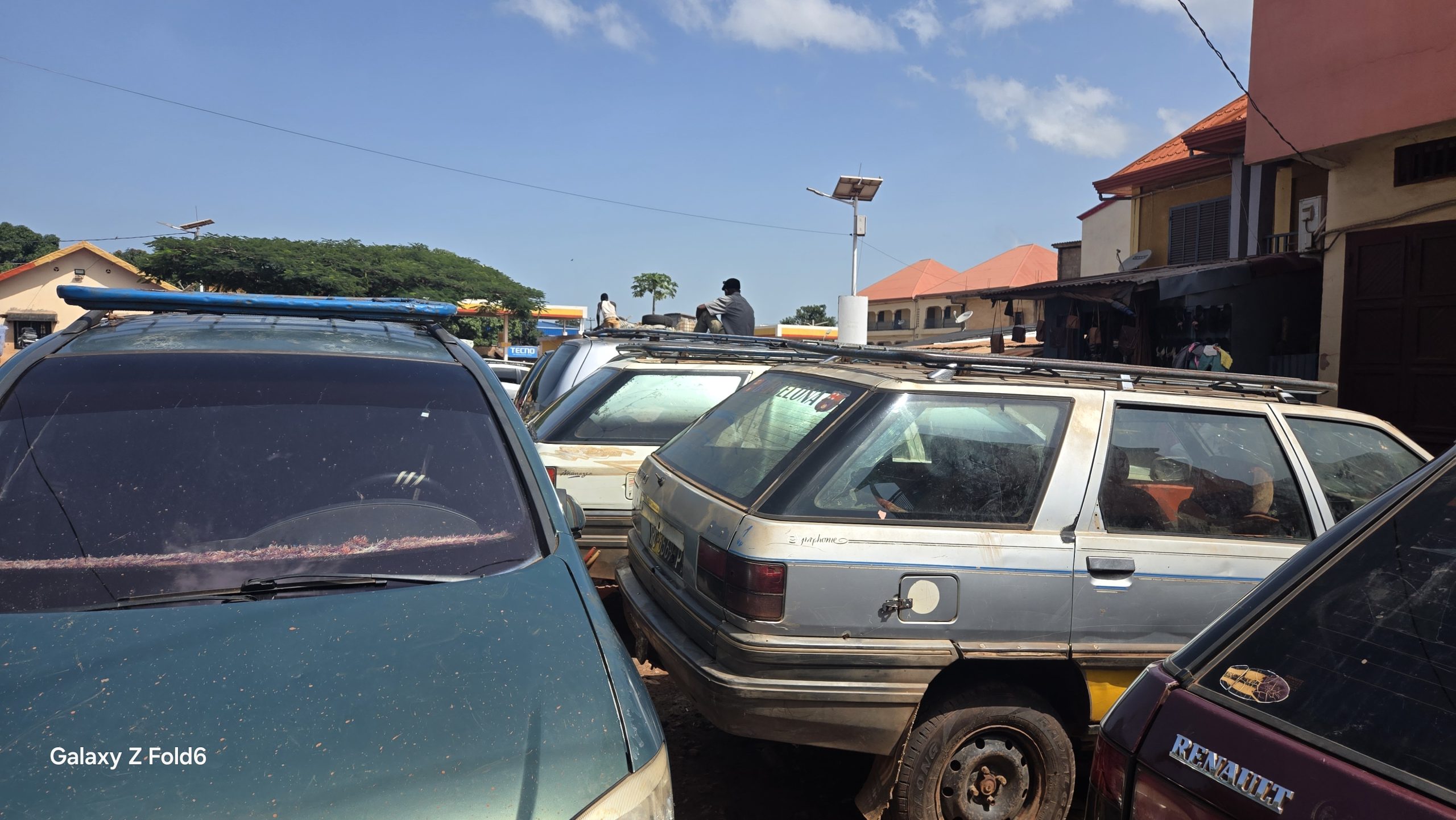
A significant disruption has gripped the transport sector in Labé, Guinea, as drivers have initiated a widespread strike, bringing road travel to an almost complete halt across the region. This collective action, which began as a localized expression of profound frustration among drivers, has rapidly escalated, paralyzing key transit points across the region. Initially, the protest targeted specific international corridors, namely the routes connecting Labé to Senegal and Labé to Gambia, reflecting the initial grievances of those operating on these particular axes.
However, the movement quickly gained momentum, spreading beyond its initial scope to encompass the entire road network within the Labé region. The impact is now palpable at major transport hubs, including the bustling Kouroula bus station, as well as numerous other departure points scattered throughout the city. The cessation of services underscores the severity of the drivers' discontent, leaving passengers stranded and commercial activities hampered by the lack of operational vehicles. This extensive Guinea Labé transport strike harassment is a direct response to persistent issues faced by the driving community.
The Grievance: Road Harassment
At the heart of this widespread transport paralysis lies a deep-seated resentment among drivers concerning what they describe as "tracasseries routières," or persistent road harassment. This term encompasses a range of issues, including arbitrary stops, unofficial tolls, and other forms of bureaucratic or informal impediments encountered during their journeys. The drivers' decision to strike stems from a collective "ras-le-bol" – a feeling of being utterly fed up with these ongoing challenges that significantly impede their work and livelihoods.
The cumulative effect of these daily harassments has reached a breaking point, prompting the unified stance seen in the current strike. Drivers assert that these constant interferences not only add to their operational costs but also create an environment of unpredictability and stress. The strike, therefore, serves as a powerful demonstration of their demand for an end to these practices, highlighting the critical need for a more predictable and equitable operating environment for transporters in the region. The pervasive nature of this road harassment has forced drivers to take drastic measures to draw attention to their plight.
Regional Impact and Significance
The comprehensive shutdown of transport services across the Labé region carries substantial implications for both local communities and cross-border trade. With transport at a virtual standstill, the movement of goods and people is severely restricted, potentially leading to economic disruptions and difficulties for residents relying on these services for daily commutes or essential supplies. The expansion of the strike from specific international routes to the entire regional network signifies the broad impact of the underlying issues.
This collective action by drivers in Labé underscores the power of organized labor in demanding accountability and better operating conditions. The fact that a "simple movement of fed-up drivers" could escalate to paralyze an entire regional transport system speaks volumes about the intensity of the grievances related to road harassment. The ongoing Guinea Labé transport strike harassment serves as a stark reminder of the challenges faced by transport workers and the ripple effects their actions can have on regional stability and economic activity.
Source
How does this affect you?
Get an AI analysis of this article grounded in your jurisdictions, practice areas, and any policy documents you've uploaded to Wansom.
Finish Reading the Full Story and the Expert Analysis.
Wansom is AI and can make mistakes.