
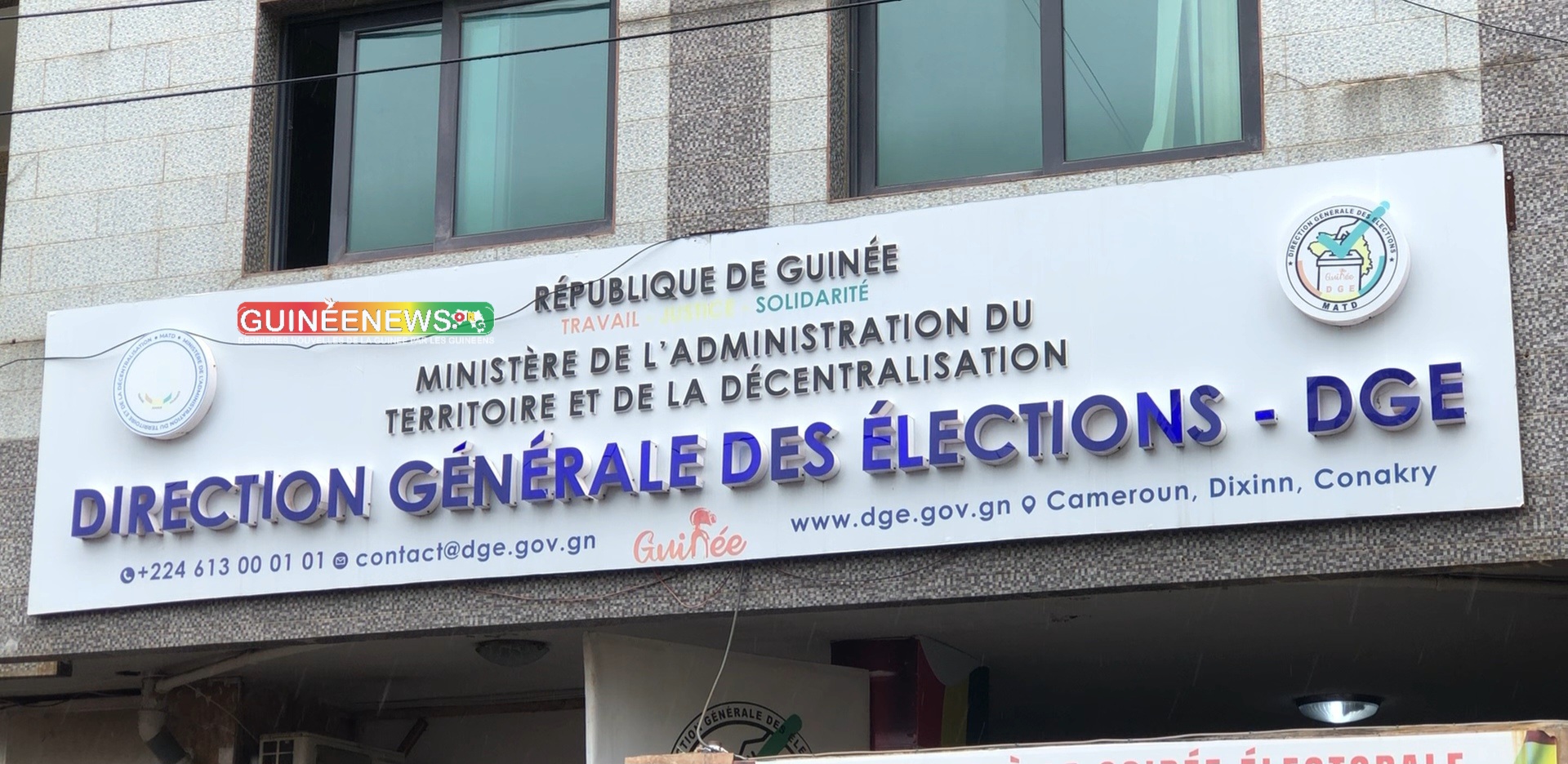
Guinea DGE: Sets Candidacy Conditions for Senatorial Elections
The Directorate General of Elections (DGE) in Guinea has issued a communiqué outlining a specific condition for the admissibility of candidate applications for the senatorial elections scheduled for December 20. This announcement by the DGE is a critical procedural step in the electoral process, directly impacting political participation and the fairness and transparency of the upcoming senatorial elections. The imposition of specific conditions for candidate eligibility is designed to ensure that all aspiring candidates meet the necessary legal and administrative requirements, thereby upholding the integrity of the electoral system.
For political parties, aspiring candidates, and electoral observers, understanding and complying with these conditions is paramount to avoid disqualification and ensure a smooth electoral process. The legal significance lies in the DGE's role as the primary administrative body responsible for organizing elections, whose pronouncements carry significant weight in shaping the political landscape. Any perceived ambiguity or undue restrictiveness in these conditions could lead to legal challenges, impacting the credibility and legitimacy of the election outcomes. This development highlights the ongoing importance of electoral law compliance in Guinea.
Electoral processes in Guinea are governed by the Electoral Code, which sets out the rules for candidate eligibility, campaign finance, voting procedures, and the roles of electoral bodies like the DGE. The DGE derives its authority from this code and other relevant constitutional provisions. Conditions for candidacy typically include age, nationality, residency, and sometimes financial or ethical requirements, all of which must align with the broader electoral framework. The specific condition mentioned in the communiqué, though not detailed in the excerpt, would be legally binding and must be meticulously followed. Guinea's constitutional and administrative law principles underpin the DGE's authority and the entire electoral process. Key parties involved are the Directorate General of Elections (DGE), aspiring candidates for the senatorial elections, and political parties.
Legal professionals advising political parties or individual candidates in Guinea must immediately review the DGE's communiqué to understand the precise condition for candidate application admissibility. It is crucial to ensure that all required documentation and criteria are met meticulously before the submission deadline to prevent disqualification. Practitioners should also be prepared to challenge any conditions that appear to be inconsistent with the Electoral Code or constitutional principles, or to assist clients in navigating the administrative appeals process if a candidacy is rejected. The integrity of the electoral process hinges on strict adherence to these rules, making timely and accurate legal advice indispensable for all stakeholders involved in the December 20 senatorial elections.
How does this affect you?
Get an AI analysis of this article grounded in your jurisdictions, practice areas, and any policy documents you've uploaded to Wansom.
Finish Reading the Full Story and the Expert Analysis.
Get the latest legal & regulatory intelligence in Guinea
Wansom is AI and can make mistakes.