
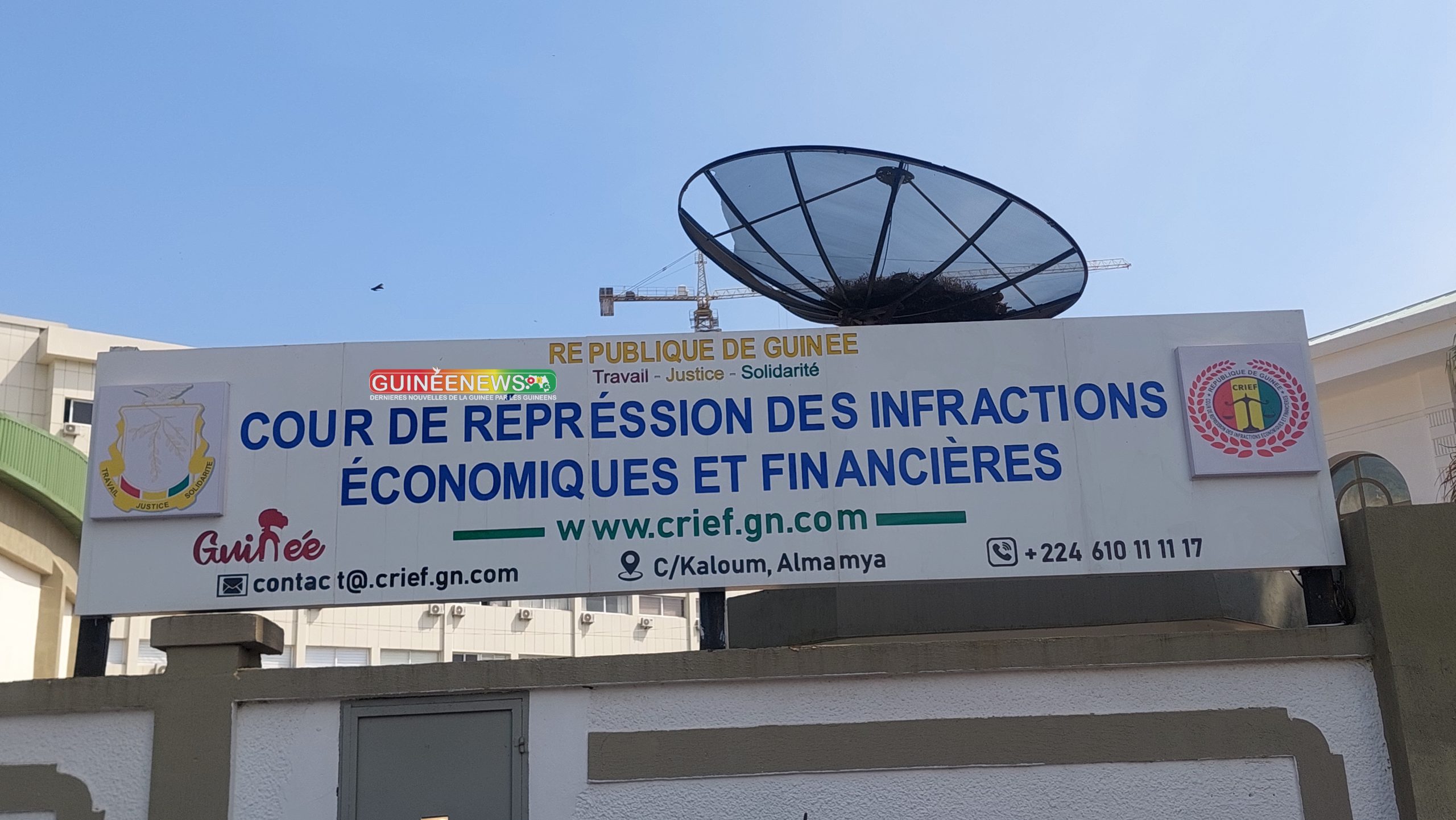
Guinea CRIEF: Ex-Boké Official Denies Embezzlement Charges at Trial Opening
On November 3, 2026, in Guinea, the trial of three former officials from the Boké special delegation, including its former president Aboubacar N’Diaye, commenced before the judgment chamber of the Court for the Repression of Economic and Financial Offenses (CRIEF), where N’Diaye denied accusations of embezzlement. This development marks a significant step in the Guinean judiciary's ongoing efforts to address alleged financial misconduct by public servants. The proceedings are focused on charges of détournement de fonds, or embezzlement, against the former leadership of a local administrative body, highlighting the continued scrutiny on public financial management within the country.
This trial carries substantial legal significance for practitioners, businesses, and the public in Guinea, as it underscores the government's commitment to combating corruption and economic crimes. The active prosecution of high-profile cases by the CRIEF signals a robust enforcement environment, which can influence investor confidence and public trust in state institutions. For legal professionals, the case provides a critical barometer for understanding the prosecutorial strategies, evidentiary requirements, and potential outcomes in matters involving public sector financial irregularities, reinforcing the importance of stringent compliance and accountability measures across all levels of governance.
The legal context for this case is rooted in Guinea's specialized judicial framework for economic and financial offenses. The Court for the Repression of Economic and Financial Offenses (CRIEF) was established to specifically handle complex cases of corruption, embezzlement, and other financial crimes, reflecting a national and international push for greater transparency and good governance. Its jurisdiction covers serious offenses that often involve public funds, and its proceedings are governed by the Guinean Penal Code, particularly articles pertaining to abuse of office and misappropriation. The CRIEF operates as a court of first instance, with its decisions subject to appeal within the broader Guinean judicial hierarchy, ensuring a multi-tiered review process for such sensitive matters.
The key parties involved in this proceeding are the Guinean State, represented by the prosecution, and the three former officials of the Boké special delegation, with Aboubacar N’Diaye, the former president, being explicitly named as having refuted the charges. The adjudicating body is the judgment chamber of the CRIEF. For attorneys and businesses, the practitioner takeaway is clear: close monitoring of CRIEF proceedings is essential. This includes observing how evidence is presented, how defenses are mounted, and the eventual rulings, as these will set precedents and clarify the legal risks associated with public sector engagements. Businesses operating in Guinea should review and strengthen their anti-corruption compliance programs, ensuring they align with the heightened enforcement posture demonstrated by the CRIEF. The outcome of this specific matter is not yet reported, but the initiation of such a high-profile trial itself serves as a significant indicator of the legal landscape.
How does this affect you?
Get an AI analysis of this article grounded in your jurisdictions, practice areas, and any policy documents you've uploaded to Wansom.
Wansom is AI and can make mistakes.