
GJA Calls Investigation: Military Assault on Adom Brands Journalist in Nkwanta South
Summary
- The Ghana Journalists Association (GJA) has demanded a swift investigation into the alleged assault of Adom Brands journalist Obrempongba Kwame Owusu by suspected military personnel in Nkwanta South.
- The incident reportedly occurred on Saturday, July 11, while Mr. Owusu was covering post-election developments during a curfew.
- GJA President Albert Kwabena Dwomfour urged the Chief of Defence Staff to ensure an expeditious investigation and sanctioning of any culpable individuals.
- The GJA possesses photographic evidence related to the alleged attack but is withholding its release to allow Ghana Armed Forces and Ghana Police Service investigations to proceed.
- The association emphasized the critical importance of protecting journalists to ensure the public receives timely and accurate information, especially during security operations.
Incident in Nkwanta South
The GJA's call for investigation into this military assault on an Adom Brands journalist in Nkwanta South highlights a recurring concern regarding the conduct of security personnel towards the media.
The Ghana Journalists Association (GJA) has demanded a prompt and comprehensive inquiry into the alleged assault of Obrempongba Kwame Owusu, an Oti Regional Correspondent for Adom Brands. The incident reportedly involved suspected military personnel in Nkwanta South. Mr. Owusu was purportedly attacked on Saturday, July 11, while engaged in journalistic duties, specifically covering developments that followed the New Patriotic Party (NPP) constituency executive election in the area.
According to the GJA, the alleged assault took place during the enforcement of a curfew in Nkwanta South. This event has drawn significant attention to the safety of media professionals operating in sensitive environments, particularly when interacting with security forces. The association has emphasized the critical importance of allowing journalists to perform their professional duties without facing intimidation or physical harm, especially when reporting on matters of public interest.
GJA Calls for Accountability
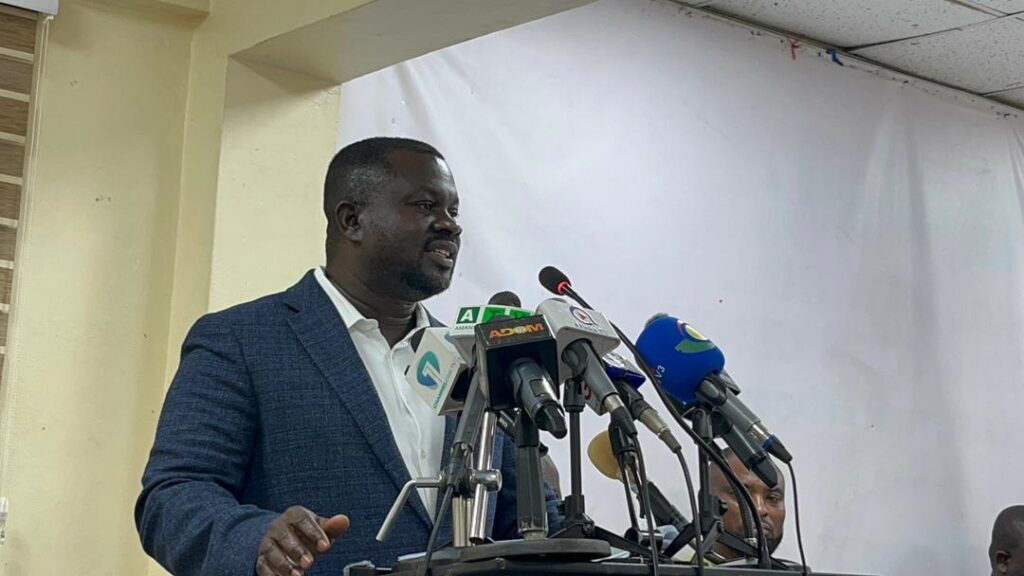
During a press conference held on Thursday, September 3, GJA President Albert Kwabena Dwomfour publicly urged the Chief of Defence Staff (CDS) to ensure that the matter is investigated swiftly and that any individuals found responsible are appropriately sanctioned. This strong stance by the GJA underscores its commitment to upholding press freedom and protecting its members from harm. The GJA's call for investigation into this military assault on an Adom Brands journalist in Nkwanta South highlights a recurring concern regarding the conduct of security personnel towards the media.
Mr. Dwomfour also revealed that the association possesses photographic evidence that could aid authorities in identifying those allegedly involved in the attack. While the GJA is prepared to share these images with relevant authorities and the media to support the ongoing investigations, it has opted against immediate public release. This decision was made to allow both the Ghana Armed Forces and the Ghana Police Service to complete their respective inquiries without interference. The association expects security authorities to thoroughly establish the circumstances surrounding the alleged assault and take decisive action against any personnel found to have acted unlawfully.
Broader Implications for Press Freedom
This incident brings into sharp focus the ongoing challenges faced by journalists in Ghana, particularly concerning their interactions with state security forces. The GJA President stressed the necessity for security agencies to respect the rights and ensure the safety of journalists as they carry out their essential work. He articulated that safeguarding journalists is fundamental to enabling the media to deliver timely and accurate information to the public, especially during security operations and other issues of national importance.
The Ghana Journalists Association has reaffirmed its dedication to defending the safety and professional rights of journalists across the nation. It has also called upon security agencies to collaborate with media organizations to prevent similar incidents of military brutality against journalists in Ghana from occurring in the future. This event in Nkwanta South serves as a stark reminder of the need for continuous vigilance and advocacy to protect press freedom in Ghana, ensuring that journalists can report without fear of reprisal.
Practical Implications
This incident highlights the ongoing legal and human rights challenges faced by journalists in Ghana, particularly concerning interactions with security forces. Lawyers representing media houses or human rights organizations should monitor the investigation's outcome for precedents on accountability of state actors and the enforcement of press freedom, which could inform future litigation or advocacy strategies.
Source
How does this affect you?
Get an AI analysis of this article grounded in your jurisdictions, practice areas, and any policy documents you've uploaded to Wansom.
Finish Reading the Full Story and the Expert Analysis.
Wansom is AI and can make mistakes.