
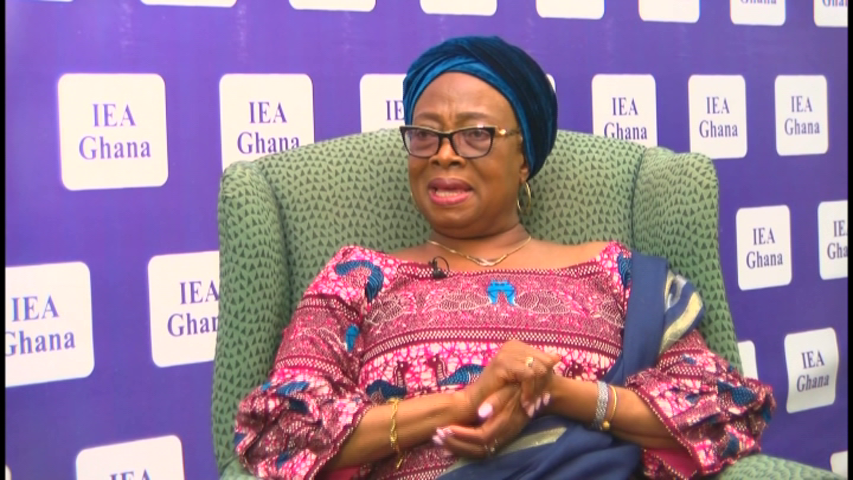
Sophia Akuffo: Proposes Ghana Supreme Court Appeal Limits to Curb Delays
Summary
- Former Chief Justice Sophia Akuffo has called for stricter limits on cases reaching Ghana's Supreme Court.
- She argues that unnecessary interlocutory appeals contribute significantly to delays in the justice system.
- These appeals increase the Supreme Court's workload and can prolong substantive cases for years.
- Akuffo advocates for more cases to conclude at the Court of Appeal, especially those without new legal or constitutional issues.
- Her proposals aim to improve the efficiency and speed of justice delivery in Ghana.
Former Chief Justice Calls for Appellate Reform
Her advocacy for tighter Ghana Supreme Court appeal limits Sophia Akuffo directly addresses the issue of Ghana interlocutory appeals delay, which has long been a point of contention among legal practitioners and the public.
Former Chief Justice Sophia Akuffo has publicly advocated for significant changes to Ghana's appellate system, specifically targeting the types of cases eligible for review by the Supreme Court. Speaking on Channel One TV on Wednesday, September 2, 2026, Akuffo asserted that the current influx of what she terms "unnecessary" interlocutory appeals is a primary contributor to systemic delays within the nation's justice framework. Her remarks highlight a growing concern among legal professionals regarding the efficiency and speed of judicial processes.
Impact of Interlocutory Appeals on Justice Delivery
The prevalence of interlocutory appeals, according to Sophia Akuffo, directly exacerbates the Supreme Court's workload, diverting its attention and resources from more critical legal and constitutional matters. She pointed out that these appeals, which address procedural or interim issues rather than the merits of a case, can remain pending before the Supreme Court for extended periods, sometimes years. This protracted delay in turn stalls the conclusion of the substantive cases from which these appeals originated, frustrating litigants and undermining public confidence in the swift administration of justice.
Akuffo specifically highlighted the paradox of the Supreme Court deliberating on preliminary issues while the main legal dispute is still being heard in the High Court. This situation, she contends, is often avoidable and contributes to the perception of a sluggish judicial system. Her comments underscore the critical need to re-evaluate the criteria for Supreme Court intervention, especially concerning matters that do not present novel legal questions or profound constitutional implications.
Proposed Limits and Court of Appeal's Role
In response to these systemic challenges, former Chief Justice Akuffo proposed stricter limitations on the types of cases that can ascend to the Supreme Court. Her recommendation is to empower the Court of Appeal to serve as the final judicial arbiter for a broader range of disputes. She explicitly stated that a significant number of cases should conclude at the Court of Appeal, particularly those that do not introduce new legal precedents or involve highly sensitive constitutional questions.
This approach aims to streamline the appellate process, ensuring that only matters of profound legal significance or constitutional import reach the Supreme Court. By channeling more cases to a definitive resolution at the Court of Appeal, the proposed reforms seek to alleviate the Supreme Court's heavy caseload, thereby enhancing its capacity to focus on its core mandate and expedite the overall delivery of justice in Ghana. The former Chief Justice's call for Ghana Supreme Court appeal limits Sophia Akuffo suggests a strategic re-evaluation of judicial hierarchy and jurisdiction.
Why These Reforms Matter
The proposals put forth by former Chief Justice Sophia Akuffo carry significant weight for the future of Ghana's justice system. Her advocacy for tighter Ghana Supreme Court appeal limits Sophia Akuffo directly addresses the issue of Ghana interlocutory appeals delay, which has long been a point of contention among legal practitioners and the public. Reducing the number of interlocutory appeals reaching the Supreme Court could substantially decrease the Supreme Court workload Ghana, allowing the highest court to concentrate on its essential role of interpreting the law and setting national legal precedents.
Implementing such reforms could lead to a more efficient and timely resolution of cases across all judicial levels, particularly by strengthening the finality of decisions made by the Ghana Court of Appeal. These discussions contribute to broader Ghana justice system reform proposals, aiming to enhance judicial efficiency and ensure that justice is not only served but also seen to be served without undue delay. The implications extend to how legal strategies are formulated, the predictability of case timelines, and ultimately, public trust in the judicial process.
Practical Implications
Lawyers should monitor discussions around potential reforms to Ghana's appellate system, particularly regarding interlocutory appeals to the Supreme Court, as any future legislative or procedural changes could significantly impact case strategy, timelines, and the finality of lower court decisions.
Source
How does this affect you?
Get an AI analysis of this article grounded in your jurisdictions, practice areas, and any policy documents you've uploaded to Wansom.
Finish Reading the Full Story and the Expert Analysis.
Wansom is AI and can make mistakes.