
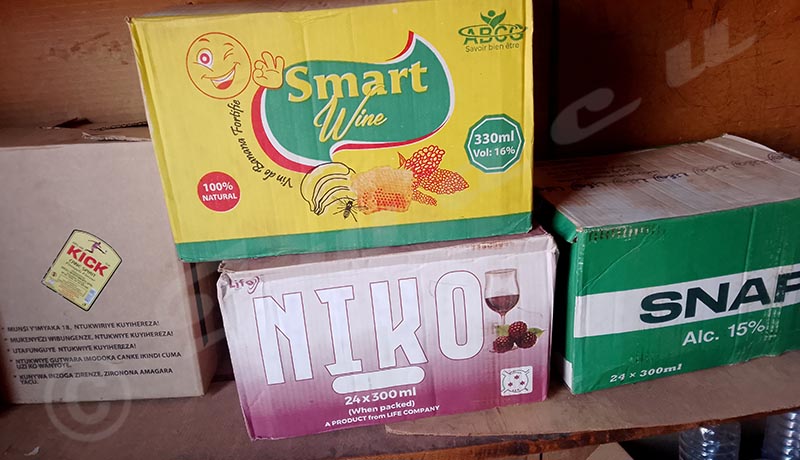
Gitega: Strong Alcohol Vendor Bans Fuel Market Instability
Summary
- Vendors of strong local alcoholic beverages in Gitega, Burundi, face a daily cycle of product seizures, destruction, and bankruptcies.
- Official operating licenses offer no guarantee against sudden bans and enforcement actions, leading to extreme regulatory instability.
- Businesses frequently experience financial losses due to unpredictable reauthorizations followed by brutal new prohibitions.
- Many vendors are now choosing to stop selling 'made in Burundi' products due to the high risks involved.
- This volatile environment poses significant challenges to the local alcoholic beverage industry and its entrepreneurs.
Gitega's Volatile Alcohol Market
Their daily experience includes sudden seizures of products, outright destruction of goods, and business bankruptcies.
Vendors of strong local alcoholic beverages in Gitega, Burundi, face an extraordinarily unstable operational environment characterized by a relentless cycle of regulatory actions. Their daily experience includes sudden seizures of products, outright destruction of goods, and business bankruptcies. This unpredictable landscape is further complicated by surprising reauthorizations to operate, which are often followed by brutal new bans, creating a constant state of uncertainty for those involved in the Gitega strong alcohol vendor bans.
This pattern of abrupt reversals and enforcement actions has become a defining feature of the local market for these specific drinks. Businesses can find themselves operating legally one day, only to have their stock confiscated or destroyed the next, without clear, consistent policy. Such extreme volatility makes long-term planning and investment virtually impossible for local entrepreneurs.
Regulatory Instability and Financial Strain
A significant contributing factor to the challenges faced by these vendors is the profound lack of guarantees associated with official operating licenses. Despite obtaining what should be legitimate permits, businesses in Gitega cannot rely on these licenses to ensure stable operations, highlighting a critical issue within Burundi local alcohol regulation. This absence of reliable regulatory frameworks means that even compliant businesses are vulnerable to arbitrary decisions and enforcement.
This instability directly translates into substantial financial losses for vendors. The frequent Gitega strong drink seizures and subsequent destruction of products represent direct hits to their capital and inventory. The unpredictable nature of Burundi alcohol license instability means that investments in stock or infrastructure can be wiped out overnight, leaving businesses in precarious financial positions and often leading to insolvency.
Economic Fallout and Industry Shift
The cumulative effect of these regulatory challenges and financial setbacks is widespread business failure, contributing to a rise in Gitega beverage vendor bankruptcies. Many entrepreneurs, unable to sustain operations under such volatile conditions, are making the radical choice to abandon the sale of local, 'made in Burundi' products altogether. This shift signifies a loss of confidence in the domestic market and its regulatory environment.
This trend has broader implications for the Burundi alcohol industry challenges, potentially stifling local production and economic development. When local vendors opt out of selling domestically produced goods due to regulatory risks, it impacts the entire supply chain, from producers to distributors. The current climate in Gitega thus poses a significant threat to the viability and growth of the local alcoholic beverage sector.
Why This Matters for Businesses
The situation in Gitega underscores a critical risk factor for any enterprise involved in Burundi's alcoholic beverage sector. The extreme regulatory volatility and the inherent lack of official license guarantees mean that businesses operate in a high-stakes environment where sudden bans, seizures, and significant financial losses are ever-present threats. This necessitates an acute awareness of local administrative decisions and a proactive approach to risk mitigation strategies.
For businesses and their legal advisors, the Gitega experience serves as a stark reminder that official documentation may not provide the expected security. The daily reality for vendors—a cycle of seizures, destruction, bankruptcies, and unpredictable reauthorizations—highlights the urgent need for constant vigilance and adaptable business models to navigate such an unpredictable market.
Practical Implications
Lawyers advising businesses in Burundi's alcoholic beverage sector, particularly in Gitega, must be aware of the extreme regulatory volatility and lack of official license guarantees. Clients face high risks of sudden bans, seizures, and financial losses, necessitating constant monitoring of local administrative decisions and proactive risk mitigation strategies.
Source
How does this affect you?
Get an AI analysis of this article grounded in your jurisdictions, practice areas, and any policy documents you've uploaded to Wansom.
Finish Reading the Full Story and the Expert Analysis.
Get the latest legal & regulatory intelligence in Burundi
Wansom is AI and can make mistakes.