
Ghana Minister: Teachers' Deprived Area Allowance Implementation Pledged
Summary
- Education Minister Haruna Iddrisu confirmed the government's commitment to resolving outstanding teacher grievances, including promotion arrears and deprived-area allowances.
- Over 51,000 teachers are expected to receive outstanding promotion arrears, with the Ghana Education Service tasked with validating records.
- The Fair Wages and Salaries Commission, supported by the Ministry of Finance, will engage teacher unions regarding their expired collective agreement on conditions of service.
- President John Dramani Mahama has approved a new integrated model for basic education infrastructure, consolidating facilities like kindergarten, primary, and junior high schools.
- Approximately 10,750 schools across Ghana currently lack electricity, affecting around three million children, which the new infrastructure model aims to address.
Government Pledges to Address Teacher Grievances
More than 51,000 teachers are expected to benefit from the clearance of these promotion arrears.
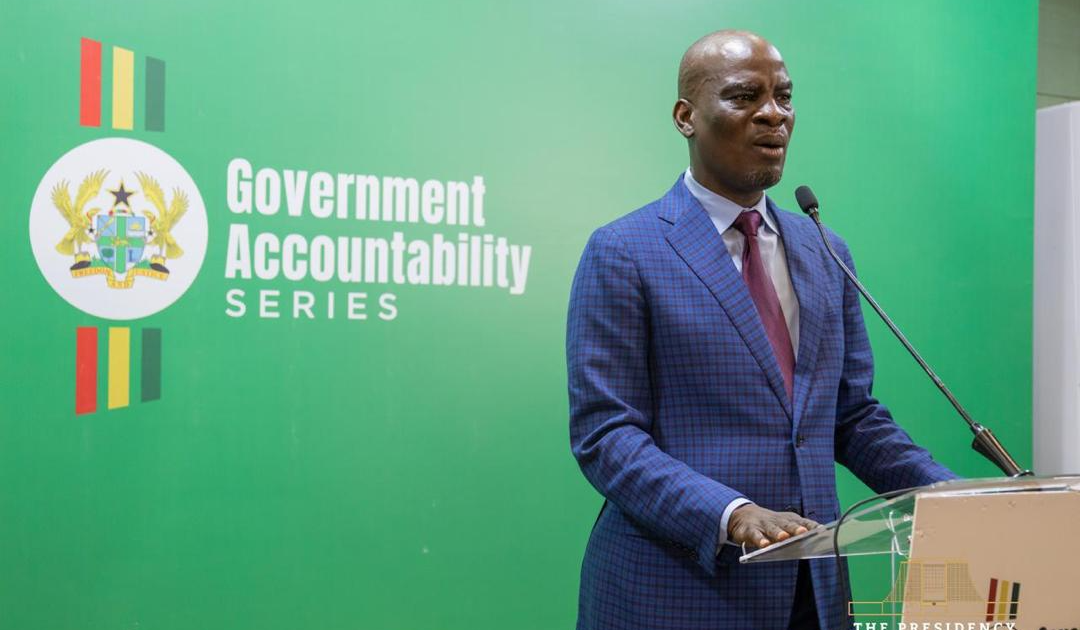
Ghana's Education Minister, Haruna Iddrisu, on Monday, October 7, 2026, affirmed the government's dedication to resolving long-standing issues affecting teachers across the nation. Speaking at the annual Ghana Teacher Prize event, Minister Iddrisu highlighted key commitments, including the payment of outstanding promotion arrears and the full implementation of a deprived-area allowance for educators.
The Minister underscored that the government has initiated concrete steps to address concerns raised by teacher unions, aiming to enhance the overall Ghana teacher conditions of service. This commitment extends to fulfilling a manifesto pledge regarding the Ghana teachers deprived area allowance, designed to support those serving in underserved communities. Furthermore, resources have been allocated to clear the Ghana teacher promotion arrears payment, an issue affecting a significant portion of the teaching workforce.
More than 51,000 teachers are expected to benefit from the clearance of these promotion arrears. The government is actively working to ensure that these financial obligations are met, signaling a strong intent to improve the welfare and working conditions of educators. These measures are part of a broader strategy to recognize and reward the vital contributions of teachers to national development.
Implementation Details and Ongoing Negotiations
To facilitate the implementation of the deprived-area allowance, discussions are currently underway to validate data pertaining to eligible deprived schools and communities. This crucial step will ensure accurate targeting and effective distribution of the allowance once the process is finalized. The government's objective is to ensure that the allowance reaches those teachers who qualify and are most in need of support in challenging environments.
Regarding the promotion arrears, the Ghana Education Service (GES), in collaboration with other relevant institutions, has been tasked with validating the records of teachers who have been promoted but have not yet received their updated salary grades and associated payments. Once this validation exercise is complete, the government will proceed with the necessary financial arrangements to settle all outstanding arrears. This meticulous process aims to ensure fairness and accuracy in the payment of these long-awaited entitlements.
In a related development concerning Ghana teacher conditions of service, the Fair Wages and Salaries Commission Ghana, with backing from the Ministry of Finance, is set to engage teacher unions. These engagements will focus on their collective agreement, which has since expired, aiming to negotiate new terms that reflect current needs and improve the overall working environment for teachers.
Advancing Basic Education Infrastructure
Beyond teacher welfare, the government is also making strides in educational infrastructure. President John Dramani Mahama has approved a new integrated model for basic education infrastructure, signaling a strategic shift in how educational facilities are developed across the country. This innovative Ghana basic education infrastructure model is designed to consolidate key basic education facilities within a single development, promoting more efficient resource utilization and enhancing access to quality education.
Under this proposed model, a comprehensive basic school complex would encompass kindergarten, primary, and junior high school facilities, alongside essential amenities such as laboratories, libraries, and information technology centers. Metropolitan, Municipal, and District Assemblies (MMDAs) have been directed to ensure that all new basic education infrastructure projects adhere to this integrated design, fostering a more holistic learning environment.
This initiative is a direct response to significant infrastructure deficits within the education sector, particularly the widespread lack of electricity in schools. Current data indicates that approximately 10,750 schools nationwide still operate without electricity, impacting an estimated three million children. The government is committed to mobilizing resources through appropriate funding mechanisms to reduce this deficit, thereby ensuring that both pupils and teachers benefit from improved learning environments.
Significance for Educational Sector
The comprehensive efforts outlined by Minister Iddrisu underscore the government's profound commitment to the education sector. By addressing critical issues such as the Ghana teachers deprived area allowance and Ghana teacher promotion arrears payment, alongside modernizing infrastructure through the Ghana basic education infrastructure model, the administration aims to create a more supportive and effective educational landscape.
These initiatives are crucial for uplifting the morale of teachers, whom the Minister lauded as the 'architects' of every profession, acknowledging their indispensable role in national development. The ongoing negotiations on Ghana teacher conditions of service further demonstrate a dedication to fostering a stable and rewarding career path for educators, ultimately benefiting the quality of education provided to future generations.
Practical Implications
Lawyers advising teacher unions or educational institutions in Ghana should monitor the implementation of promised deprived-area allowances and promotion arrears, as well as the ongoing negotiations on teacher conditions of service, to ensure compliance and advise on potential impacts on employment contracts and collective bargaining.
Source
Source: Original reporting via GNA
How does this affect you?
Get an AI analysis of this article grounded in your jurisdictions, practice areas, and any policy documents you've uploaded to Wansom.
Finish Reading the Full Story and the Expert Analysis.
Get the latest legal & regulatory intelligence in Ghana
Wansom is AI and can make mistakes.