
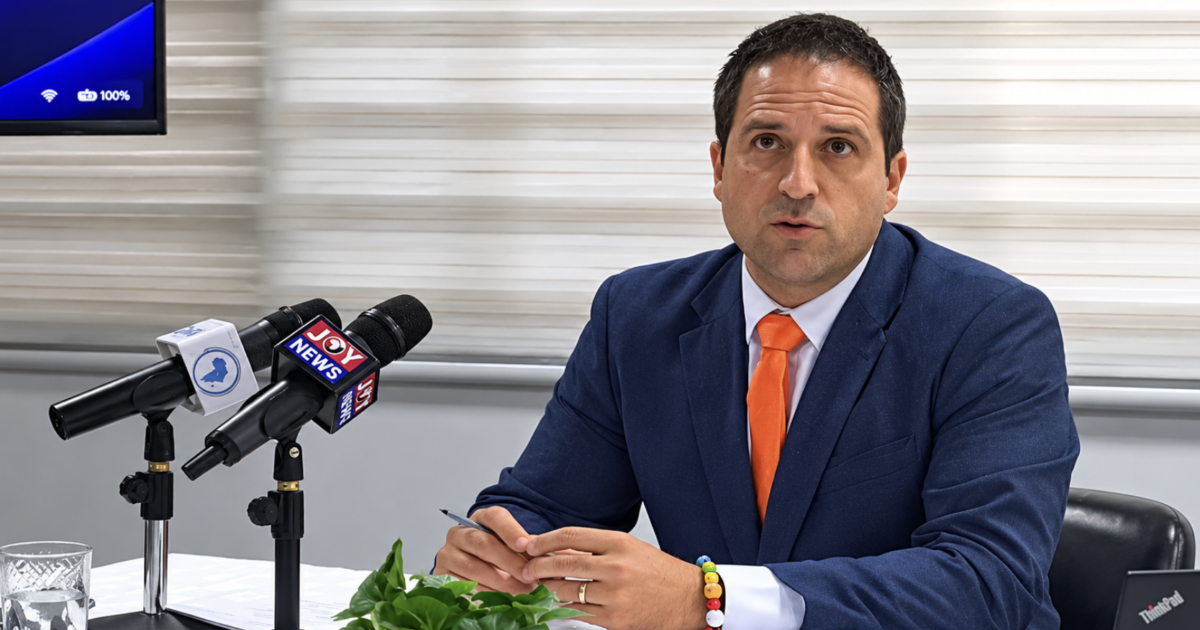
UN Special Rapporteur: Ghana Rent Control Department Strengthening Is Top UN Recommendation
Summary
- Koldo Casla, the UN Special Rapporteur on the right to adequate housing, recommended Ghana strengthen its Rent Control Department.
- The UN expert urged Ghana to reinforce institutional mechanisms to curb arbitrary rent increases impacting tenants.
- During his 12-day visit, Mr. Casla observed "stratospheric" real estate prices in Accra, unaffordable for average Ghanaians.
- Approximately 31% of Ghana's urban population lives in informal settlements, and many citizens are homeless due to housing unaffordability.
- The UN advised authorities to listen to people in poverty when designing housing policies, despite construction being a major economic sector.
UN Expert's Recommendations for Ghana's Housing Sector
The general unaffordability of formally constructed housing has left a substantial portion of the population with limited options, compelling many to reside in informal settlements.
During a recent 12-day official visit to Ghana, the United Nations Special Rapporteur on the right to adequate housing, Koldo Casla, issued a series of recommendations aimed at improving housing conditions and affordability in the nation. A key piece of advice from the UN expert was for the Ghanaian government to provide the necessary logistical support to its Rent Control Department, thereby enhancing its operational capacity. This strengthening is deemed crucial for effective rent control enforcement Ghana.
Furthermore, Mr. Casla urged the government to reinforce all pertinent institutional mechanisms. The objective of these measures is to enable more robust monitoring and to effectively curb arbitrary rent increases, which he noted have a detrimental impact on tenants. These recommendations underscore a critical need for a more regulated and tenant-friendly housing environment, aligning with the broader goal of ensuring adequate housing for all citizens.
Addressing Ghana's Housing Affordability Challenges
The UN Special Rapporteur's observations during his visit painted a clear picture of Ghana's housing affordability crisis, particularly in urban centers. Mr. Casla noted significant housing construction and physical transformations, predominantly in Accra. He specifically highlighted the presence of "flashy billboards" across the capital, advertising real estate investments at "stratospheric prices" that are well beyond the financial reach of the average Ghanaian citizen. This stark contrast between development and accessibility forms a central part of the UN recommendation.
The general unaffordability of formally constructed housing has left a substantial portion of the population with limited options, compelling many to reside in informal settlements. Data indicates that approximately 31% of Ghana's urban population currently lives in such informal housing arrangements. Beyond this, a considerable number of citizens are also experiencing homelessness, further exacerbating the nation's housing challenges. These issues collectively underscore the urgency for a comprehensive Ghana housing affordability policy.
Economic Contributions and Future Policy Direction
The construction sector plays a vital role in Ghana's economy, standing as one of its leading industries and fastest-growing sectors. It is a significant employer, providing livelihoods for hundreds of thousands of individuals, and contributes an estimated 7% to 15% of the country's Gross Domestic Product. Despite this economic dynamism, the UN Special Rapporteur emphasized that authorities must recognize the pervasive issue of unaffordable formally built housing.
In light of these challenges, the UN expert encouraged Ghanaian authorities to actively engage with and listen to the needs of people living in poverty when formulating public policies related to housing. This approach is intended to ensure that future Ghana housing affordability policy and real estate regulation are inclusive and address the root causes of housing insecurity, rather than solely focusing on high-end real estate development. The call for strengthening the Ghana Rent Control Department is a direct response to these observed disparities.
Practical Implications
Lawyers advising real estate developers, landlords, or property management companies in Ghana should monitor potential legislative or regulatory changes aimed at strengthening the Rent Control Department and curbing arbitrary rent increases, as this could impact lease agreements, compliance obligations, and dispute resolution mechanisms.
Source
How does this affect you?
Get an AI analysis of this article grounded in your jurisdictions, practice areas, and any policy documents you've uploaded to Wansom.
Finish Reading the Full Story and the Expert Analysis.
Get the latest legal & regulatory intelligence in Ghana
Wansom is AI and can make mistakes.