
Ghana Parliament: Calls For COVID-19 Funds Forensic Audit
Summary
- Ghana's Parliament is poised to re-examine the government's COVID-19 expenditure following new findings.
- Journalist Manasseh Awuni's investigation revealed significant discrepancies between approved funds and the Auditor-General's report.
- South Dayi MP Rockson-Nelson Dafeamekpor indicated Parliament may request a full forensic audit due to these gaps.
- Specific discrepancies include GHS 299 million for Transport and GHS 160 million for Local Government reported as zero expenditure, and GHS 316.1 million for Education reported as GHS 96.3 million.
- The previous special audit, commissioned in July 2022, was limited to the education sector, prompting calls for a broader forensic investigation.
What Happened
Compliance officers and legal counsel for public sector entities, especially those involved in COVID-19 expenditure, should prepare for potential forensic audits and review their financial records for accountability and transparency, as this could lead to significant legal and reputational consequences for any identified mismanagement.
Ghana's Parliament is preparing to undertake a renewed examination of the government's expenditure related to the COVID-19 pandemic. This decision follows recent revelations that have cast doubt on the comprehensiveness of the Auditor-General's initial report, specifically concerning the full scope of funds that were both approved by Parliament and subsequently released to various sectors for pandemic response. The impetus for this re-evaluation stems from a detailed investigation conducted by journalist Manasseh Awuni, which brought to light significant discrepancies in the accounting of COVID-19 funds.
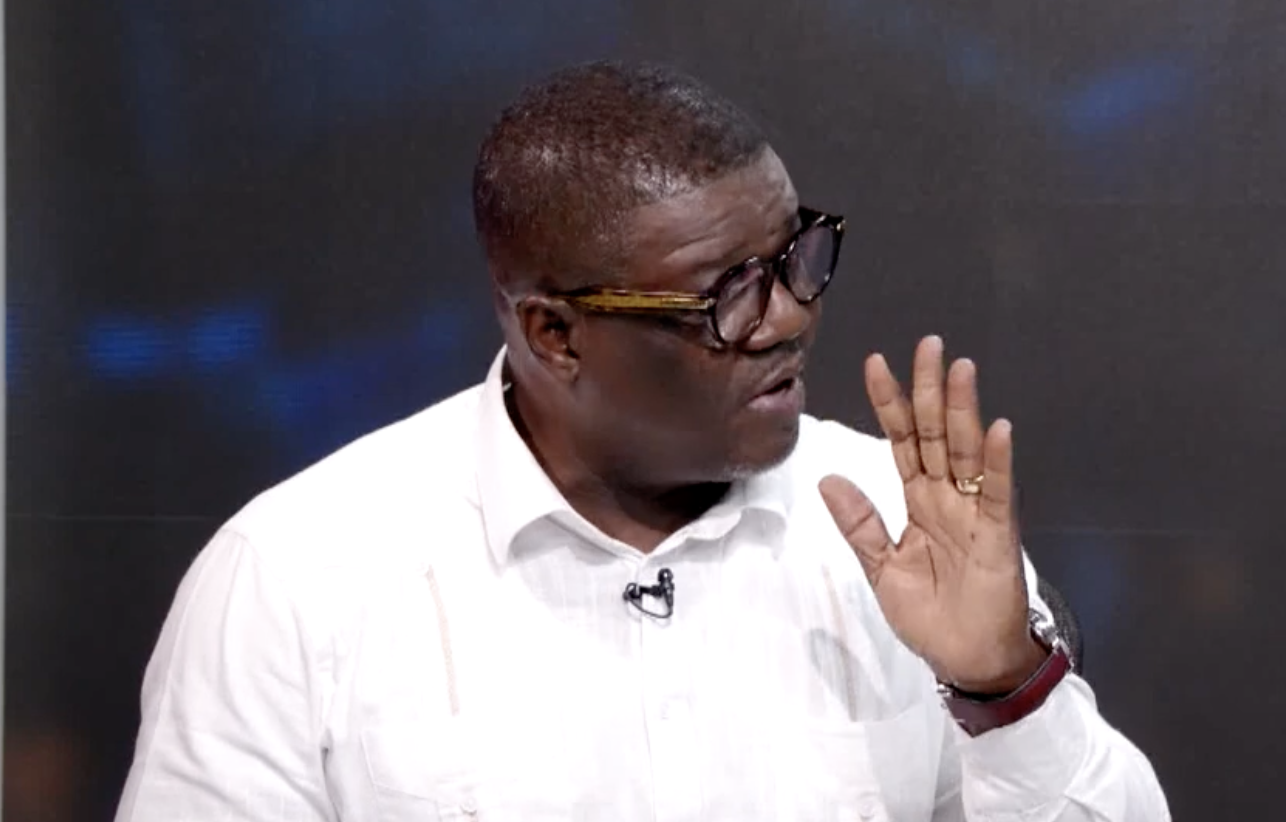
Rockson-Nelson Dafeamekpor, who serves as the Member of Parliament for South Dayi and the Majority Chief Whip, indicated that Parliament might need to request a full forensic audit from the Auditor-General. Speaking on Joy News’ PM Express on a recent Tuesday, Mr. Dafeamekpor highlighted that the Auditor-General had previously issued a follow-up report in July 2023, which assessed the implementation of recommendations from an earlier audit. He confirmed that he had provided this follow-up document to the program's producer, underscoring its relevance to the current discussion.
Identified Discrepancies
The latest findings, particularly those detailed in Manasseh Awuni's investigation, have exposed substantial gaps between the expenditures sanctioned by Parliament and what was ultimately captured in the Auditor-General's report, which was submitted in January 2023. Mr. Dafeamekpor praised Awuni's work in disaggregating the thematic areas of expenditure, which helped to pinpoint these inconsistencies. For instance, the Ministry of Transport had received parliamentary approval for GHS 299 million to cover its pandemic-related costs; however, the audit report recorded zero expenditure for this ministry.
Similar questions have arisen concerning allocations at the local government level. Nearly GHS 160 million was approved by Parliament and released for local government operations during the period, yet auditors reported no expenditure in this category. The education sector also presents a notable disparity: Parliament approved and disbursed GHS 316.1 million, but the audit only accounted for GHS 96.3 million. These significant variances across key sectors underscore the concerns regarding the completeness and accuracy of the initial audit.
Legal and Regulatory Context
The current situation prompts Parliament to critically assess the adequacy of the audit initially commissioned by the Ministry of Finance. It has been noted that the Office of the Auditor-General was tasked on July 14, 2022, to conduct a special audit into COVID-19 expenditures. However, this particular audit was explicitly limited in scope, focusing exclusively on the education sector. This limitation is now seen by Parliament as a potential constraint given the broader issues emerging.
Mr. Dafeamekpor clarified that the distinction between a special audit and a forensic audit is crucial in this context. He suggested that Parliament’s mandate now requires them to approach the Auditor-General to conduct a comprehensive forensic audit. This is deemed necessary because the journalist's investigation indicates that even the special audit of the education sector did not encompass the full spectrum of approved expenditures. While acknowledging these significant issues, Mr. Dafeamekpor refrained from concluding that Parliament was deliberately misled, explaining that such a conclusion would only be warranted if the Auditor-General had reported figures that were demonstrably different from actual findings or had suppressed information.
Why It Matters
This development signals increased scrutiny and potential legal action regarding the management of Ghana's COVID-19 funds, emphasizing the critical need for Ghana public funds accountability COVID. The call for a Ghana Parliament COVID-19 funds forensic audit highlights a broader commitment to ensuring transparency in public expenditure, particularly concerning emergency funds. The identified Ghana Auditor-General COVID expenditure gaps, brought to light by the Manasseh Awuni COVID funds investigation and championed by Rockson-Nelson Dafeamekpor COVID audit advocacy, underscore the importance of robust oversight mechanisms.
A forensic audit, unlike a special audit, delves deeper into financial records to uncover fraud, mismanagement, or other irregularities, providing a more comprehensive picture of how funds were utilized. This potential shift from a limited special audit to a full forensic audit signifies Parliament's intent to ensure every cedi of the approved COVID-19 funds is accounted for. Compliance officers and legal counsel for public sector entities, especially those involved in COVID-19 expenditure, should prepare for potential forensic audits and review their financial records for accountability and transparency, as this could lead to significant legal and reputational consequences for any identified mismanagement.
Practical Implications
This development signals increased scrutiny and potential legal action regarding the management of Ghana's COVID-19 funds. Compliance officers and legal counsel for public sector entities, particularly those involved in COVID-19 expenditure, should prepare for potential forensic audits and review their financial records for accountability and transparency.
Source
How does this affect you?
Get an AI analysis of this article grounded in your jurisdictions, practice areas, and any policy documents you've uploaded to Wansom.
Finish Reading the Full Story and the Expert Analysis.
Get the latest legal & regulatory intelligence in Ghana
Wansom is AI and can make mistakes.