
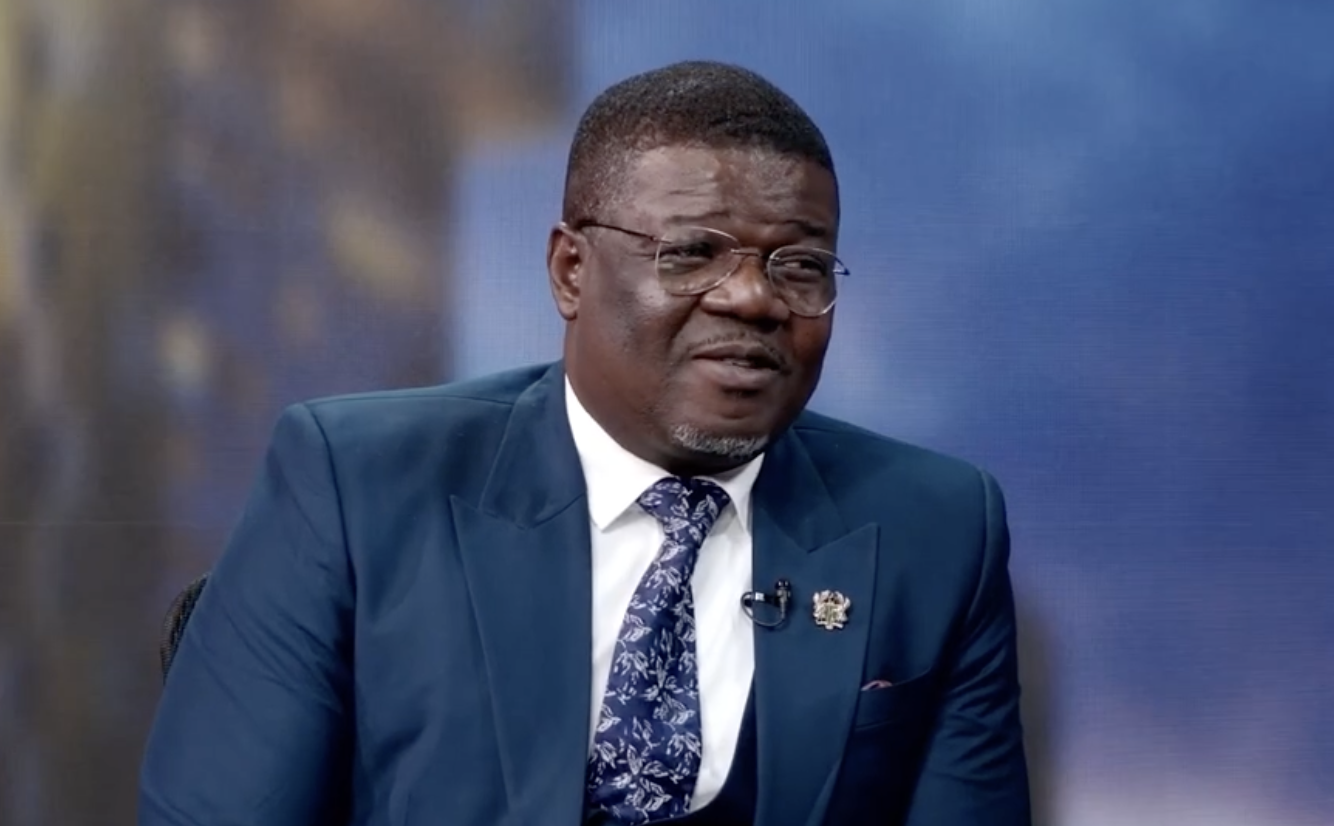
Dafeamekpor Ghana: COVID-19 Audit Gaps Highlight GH¢775m Discrepancies
Summary
- Rockson-Nelson Dafeamekpor, South Dayi MP, identified significant gaps in the Auditor-General’s review of approximately GH¢775 million in COVID-19 expenditures.
- The audit report submitted to Parliament in January 2023 reportedly did not cover the full spectrum of approved funds for various ministries.
- Specific discrepancies include zero expenditure reported for the Ministries of Transport (GH¢299 million approved) and Local Government (nearly GH¢160 million approved).
- For the education sector, only GH¢96.3 million was reported audited, despite GH¢316.1 million being approved and released.
- Dafeamekpor is advocating for a comprehensive forensic audit, rather than another special audit, to fully account for the funds.
Uncovering Gaps in COVID-19 Expenditure Audits
The identified discrepancies point to a need for enhanced scrutiny over how public funds, particularly those allocated during a national crisis, are accounted for and reported.
Rockson-Nelson Dafeamekpor, who serves as the Member of Parliament for South Dayi and holds the position of Majority Chief Whip, has brought to light significant gaps within the Auditor-General’s review of COVID-19 related expenditures. These concerns, articulated during an appearance on Joy News’ PM Express, center on the comprehensive audit of funds approved by Parliament, totaling approximately GH¢775 million. The revelations by Mr. Dafeamekpor follow detailed investigations conducted by journalist Manasseh Awuni, whose work systematically broke down COVID-19 spending across various sectors and subsequently raised critical questions regarding the actual scope of the audit report presented to the legislative body. This development underscores growing **Rockson-Nelson Dafeamekpor audit concerns** regarding the thoroughness of financial oversight.
The MP highlighted that the audit report, which was submitted to Parliament in January 2023, appears to fall short of encompassing the entire spectrum of funds that were officially approved by the House for pandemic response. This suggests a potential disconnect between parliamentary allocations and the audited financial records, prompting calls for more rigorous examination of **Ghana Auditor-General COVID-19 expenditure**. The identified discrepancies point to a need for enhanced scrutiny over how public funds, particularly those allocated during a national crisis, are accounted for and reported.
Specific Discrepancies in Ministerial Spending
Mr. Dafeamekpor provided specific examples of these **GH¢775m audit discrepancies Ghana**, illustrating significant differences between approved allocations and reported expenditures across key government ministries. For instance, Parliament had sanctioned GH¢299 million for the Ministry of Transport, yet the Auditor-General’s report indicated zero expenditure for this ministry. A similar pattern emerged within the local government sector, where nearly GH¢160 million was approved by Parliament and subsequently released for operational activities during the period under review. Despite this substantial allocation, the auditors again reported no expenditure whatsoever.
Further inconsistencies were noted in the education sector, where Parliament had approved and released a sum of GH¢316.1 million. However, the audit documentation only accounted for GH¢96.3 million of these funds. These figures collectively highlight the substantial **Dafeamekpor Ghana COVID-19 audit gaps** and raise serious questions about the completeness and accuracy of the financial oversight mechanisms in place for **Ghana ministries COVID-19 funds audit**. The stark contrast between approved budgets and reported spending necessitates a deeper investigation into the utilization of these critical public resources.
Calls for a Comprehensive Forensic Audit
In his remarks, Mr. Dafeamekpor acknowledged that the Auditor-General had previously undertaken a follow-up report, designed to assess the implementation of recommendations from an earlier audit. He mentioned having shared this follow-up report with the program's producer. However, he also pointed out that a special audit commissioned by the Ministry of Finance on July 14, 2022, was notably restricted in its scope, focusing exclusively on the education sector. This limited approach, according to the MP, means Parliament has not received a full picture of the overall COVID-19 spending.
Given these revelations and the persistent **Rockson-Nelson Dafeamekpor audit concerns**, the MP asserted that Parliament must now mandate the Auditor-General to conduct a more extensive and thorough examination. He specifically called for a forensic audit, arguing that a mere "special audit" would no longer suffice. This demand stems from the journalist’s findings, which suggest that even the audit concerning the Ministry of Education failed to encompass the full range of approved expenditures. Therefore, Parliament finds itself in a position where it must insist on a comprehensive forensic review to ensure complete accountability for the **Ghana Auditor-General COVID-19 expenditure**.
Implications for Public Accountability
The emerging details regarding these audit discrepancies underscore critical challenges in **Ghana public expenditure oversight** and accountability. While Mr. Dafeamekpor stopped short of concluding that Parliament had been deliberately misled, he clarified the conditions under which such a conclusion would be warranted. He stated that Parliament would have been misled if the Auditor-General had explicitly claimed to have audited the Ministries of Transport or Local Government, reported specific expenditure figures, and then intentionally suppressed or altered those figures in the report presented to the legislature.
This situation highlights the imperative for robust and transparent financial reporting, particularly concerning significant public funds allocated during emergencies. The call for a forensic audit reflects a growing demand for greater scrutiny and a commitment to ensuring that all approved funds are accounted for comprehensively. Such measures are crucial for maintaining public trust and reinforcing the integrity of parliamentary oversight over government spending, especially in areas like **Dafeamekpor Ghana COVID-19 audit gaps** where public health and economic stability are at stake.
Practical Implications
This development signals increased scrutiny and potential for forensic audits into public expenditure, particularly COVID-19 funds, in Ghana. Lawyers and compliance officers should advise clients involved in government contracts or public fund management to ensure meticulous record-keeping and prepare for potential investigations.
Source
How does this affect you?
Get an AI analysis of this article grounded in your jurisdictions, practice areas, and any policy documents you've uploaded to Wansom.
Finish Reading the Full Story and the Expert Analysis.
Get the latest legal & regulatory intelligence in Ghana
Wansom is AI and can make mistakes.