
Ghana PAC: Ministry of Agriculture Fails GH¢69bn Audit Inquiry Witnesses
Summary
- Abena Osei-Asare, Chairperson of Ghana's Public Accounts Committee, expressed disappointment with the Ministry of Food and Agriculture.
- The Ministry failed to provide key witnesses for further questioning during a special audit inquiry.
- This inquiry is investigating GH¢69 billion in outstanding government claims and commitments.
What Happened
The ongoing Ghana PAC Ministry of Agriculture GH¢69bn audit is not merely a procedural matter; it represents a critical examination of how a vast amount of public resources has been managed or committed.
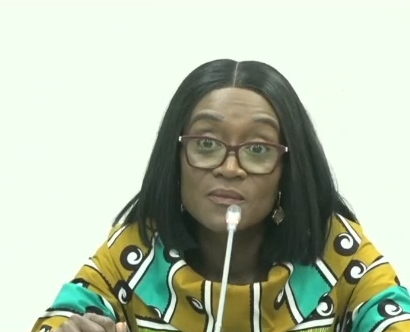
The Parliament’s Public Accounts Committee (PAC) in Ghana recently voiced significant dissatisfaction regarding the Ministry of Food and Agriculture. Abena Osei-Asare, who serves as the Chairperson of the PAC, publicly conveyed this disappointment. The core issue stemmed from the Ministry's inability to produce crucial witnesses who were required for additional questioning as part of an ongoing special audit inquiry. This failure has drawn attention to the Ministry's cooperation with parliamentary oversight bodies.
The special audit inquiry itself is focused on a substantial sum of GH¢69 billion, which represents outstanding government claims and commitments. The PAC's mandate includes scrutinizing public expenditures and ensuring accountability, making the Ministry's non-compliance a serious concern. The request for witnesses was a critical step in the Committee's process to thoroughly investigate these financial matters, aiming to clarify the nature and validity of the extensive outstanding claims.
Legal Context
The Public Accounts Committee (PAC) holds a vital constitutional role within Ghana's Parliament, tasked with examining the Auditor-General's reports and ensuring that public funds are utilized efficiently, effectively, and in accordance with established laws and regulations. When the PAC initiates a special audit inquiry, particularly one concerning an amount as significant as GH¢69 billion in outstanding government claims and commitments, it underscores a serious commitment to fiscal oversight. Such inquiries are designed to delve deeper into financial discrepancies or irregularities that might not be fully resolved through routine audits.
The expectation for government ministries, including the Ministry of Food and Agriculture, is full cooperation with these parliamentary investigations. The failure to present key witnesses for further questioning can impede the PAC’s ability to fulfill its oversight duties, potentially delaying or obstructing the clarification of financial matters. This situation highlights the legal and procedural framework that mandates transparency and accountability from all government entities when faced with parliamentary scrutiny over public finances. The integrity of the audit process relies heavily on the willingness of ministries to provide all necessary information and personnel.
Why It Matters
The disappointment expressed by Abena Osei-Asare, Chairperson of the Public Accounts Committee, regarding the Ministry of Food and Agriculture's failure to present witnesses for the GH¢69 billion audit inquiry carries significant implications for public finance and governance in Ghana. This incident signals a potential challenge to the principles of accountability and transparency that are fundamental to democratic oversight. When a ministry fails to cooperate fully with a parliamentary committee investigating such a substantial sum of outstanding government claims, it can erode public trust in governmental financial management.
The ongoing Ghana PAC Ministry of Agriculture GH¢69bn audit is not merely a procedural matter; it represents a critical examination of how a vast amount of public resources has been managed or committed. The inability to secure key testimonies could hinder the Committee's capacity to thoroughly understand the nature of these commitments and claims, potentially leaving questions unanswered about financial prudence and compliance. This situation underscores the importance of robust parliamentary oversight, especially in a context where large-scale government commitments are under scrutiny, impacting the overall integrity of Ghana's financial regulatory environment.
Practical Implications
Lawyers advising clients involved in government contracts or public finance in Ghana should monitor the Public Accounts Committee's inquiry into the GH¢69 billion outstanding claims, as it signals heightened scrutiny on government ministries' accountability and compliance with financial regulations, potentially impacting future procurement or oversight processes.
Source
How does this affect you?
Get an AI analysis of this article grounded in your jurisdictions, practice areas, and any policy documents you've uploaded to Wansom.
Finish Reading the Full Story and the Expert Analysis.
Get the latest legal & regulatory intelligence in Ghana
Wansom is AI and can make mistakes.