
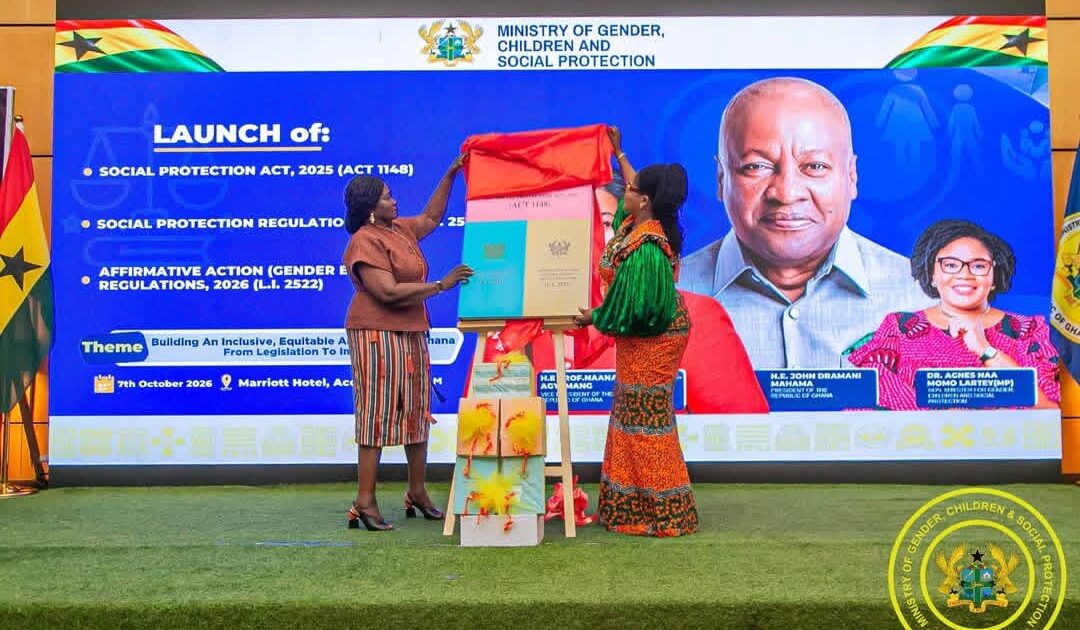
Ghana Enacts Affirmative Action Gender Equity Regulations
Summary
- Ghana officially launched three new legal instruments on October 7, 2026, aimed at strengthening social protection and gender equity.
- These include the Social Protection Act, 2025 (Act 1148), the Social Protection Regulations, 2026 (L.I. 2521), and the Affirmative Action (Gender Equity) Regulations, 2026 (L.I. 2522).
- The Affirmative Action Regulations (L.I. 2522) mandate institutions to increase women's participation in leadership and decision-making roles.
- The Ministry of Gender, Children and Social Protection has committed to providing practical guidelines, reporting templates, and training for implementation.
- Effective implementation, accountability, and efficient resource use are crucial for supporting vulnerable populations and advancing women's opportunities.
What Happened
This particular instrument will require close attention from legal and compliance teams to ensure Ghana gender equity compliance within their respective organizations.
Ghana has recently enacted significant legislative advancements aimed at bolstering social protection and fostering gender equity across the nation. On October 7, 2026, in Accra, Vice President H.E. Professor Naana Jane Opoku-Agyemang officially launched three pivotal legal instruments. These include the Social Protection Act, 2025 (Act 1148), alongside its accompanying Social Protection Regulations, 2026 (L.I. 2521), and the Affirmative Action (Gender Equity) Regulations, 2026 (L.I. 2522). The Ministry of Gender, Children and Social Protection (MoGCSP) organized this landmark event, which was themed “Building an Inclusive, Equitable and Resilient Ghana: From Legislation to Results.”
During her keynote address, the Vice President emphasized that the true measure of these new frameworks' success would be their tangible positive impact on the lives of Ghanaian citizens. She highlighted that the Social Protection Act, 2025, establishes a robust legal framework for a harmonized national system. This system is designed to encompass various critical components, including social assistance, social insurance, and emergency support mechanisms. It also provides for a dedicated Social Protection Fund and outlines clear procedures for complaints and redress, ensuring accountability and accessibility for beneficiaries.
Ghana's New Regulatory Framework
The newly introduced Social Protection Regulations, 2026 (L.I. 2521), are specifically designed to provide detailed guidance for the practical implementation of the broader Social Protection Act, 2025. These regulations are crucial for operationalizing the Act's provisions, ensuring that the coordinated national system functions effectively to support vulnerable populations. For legal professionals and compliance officers, understanding the nuances of Ghana L.I. 2521 will be essential for advising organizations on their responsibilities and potential engagement with social responsibility initiatives.
Concurrently, the Affirmative Action (Gender Equity) Regulations, 2026 (L.I. 2522), represent a significant step towards achieving gender parity. These regulations are intended to assist institutions in fulfilling their obligations to enhance women's participation in leadership roles and decision-making processes across various sectors. The Vice President underscored the importance of these Ghana Affirmative Action Gender Equity Regulations in ensuring that women are afforded equitable opportunities to contribute meaningfully to national development. This particular instrument will require close attention from legal and compliance teams to ensure Ghana gender equity compliance within their respective organizations.
Implementation and Compliance Outlook
The Minister for Gender, Children and Social Protection, Hon. Dr Agnes Naa Momo Lartey, characterized the launch as both a significant achievement and a solemn responsibility for the Ministry. She acknowledged the extensive period of advocacy and consultation that preceded the instruments' finalization, involving diverse stakeholders such as women’s groups, persons with disabilities, and older persons. The Minister outlined five key commitments to guide the effective Ghana social protection law implementation and gender equity initiatives. These include making the laws accessible in plain language and local languages, providing institutions with practical guidelines, reporting templates, and training, and strengthening data, targeting, and coordination systems.
Furthermore, the Ministry is committed to improving complaints and feedback mechanisms and publishing regular progress reports to ensure transparency and accountability. Dr. Lartey also explicitly pledged that the Ministry of Gender, Children and Social Protection Ghana and its associated agencies would fully adhere to the Affirmative Action (Gender Equity) Regulations. She urged frontline personnel, including social welfare officers, community development officers, and gender desk officers, to execute their duties with fairness, professionalism, and compassion, recognizing their vital role in translating these legislative measures into tangible results for citizens. International partners, including UNICEF and the World Bank, lauded Ghana for this milestone and reiterated their ongoing support for strengthening social protection and gender equity efforts, emphasizing the need for reliable data and effective program delivery.
Practical Implications
Lawyers and compliance officers in Ghana must review the new Affirmative Action (Gender Equity) Regulations (L.I. 2522) to ensure their organizations comply with requirements for women's participation in leadership and decision-making. They should also monitor the forthcoming practical guidelines and reporting templates from the Ministry of Gender, Children and Social Protection, and understand the implementation framework for the Social Protection Act, 2025 (Act 1148) and its regulations (L.I. 2521) for potential impacts on clients or social responsibility programs.
Source
How does this affect you?
Get an AI analysis of this article grounded in your jurisdictions, practice areas, and any policy documents you've uploaded to Wansom.
Finish Reading the Full Story and the Expert Analysis.
Get the latest legal & regulatory intelligence in Ghana
Wansom is AI and can make mistakes.