
Ghana Netherlands Pact: Disrupting Illicit Drugs with Joint Action
Summary
- Ghana and Netherlands sign pact to combat illicit drugs and dismantle criminal networks.
- Agreement builds on Accra Call to Action, aiming to provide global leadership in tackling illicit drugs.
- Stronger international cooperation seeks to disrupt trafficking of cocaine, synthetic drugs, and illicit proceeds.
- Pact aims to protect communities, strengthen rule of law, and secure a safer future for young people.
What Happened
The agreement builds on the Accra Call to Action, with both countries seeking to provide global leadership in tackling the growing threat of illicit drugs, which is destroying young lives, undermining public health, weakening the rule of law and threatening human rights.
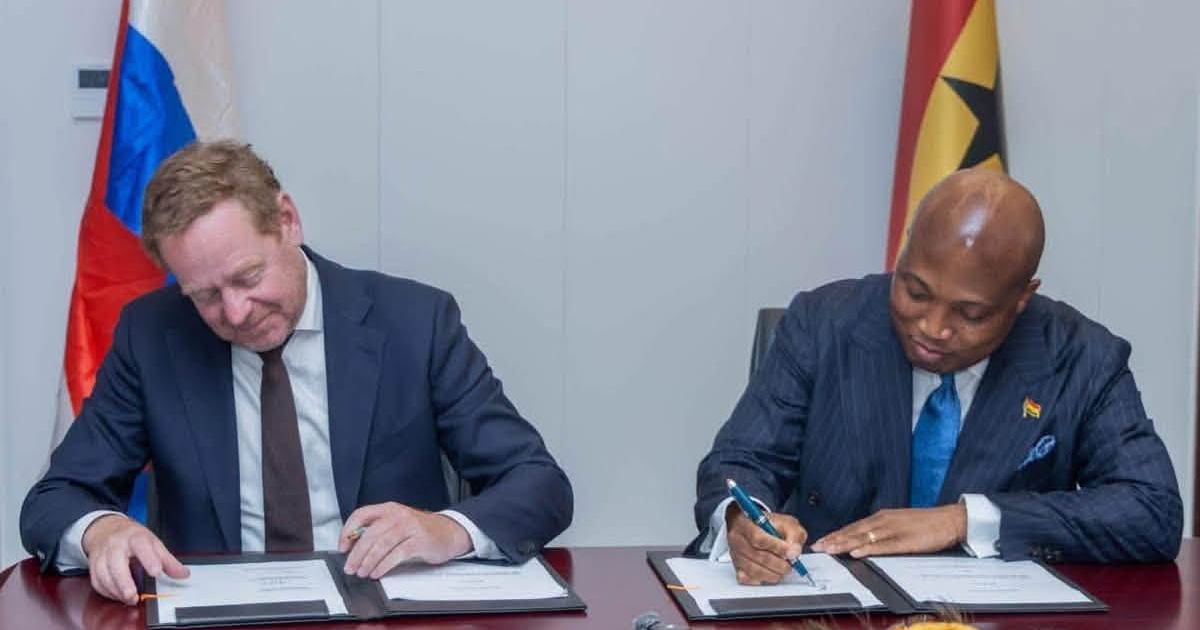
Ghana and the Netherlands have taken a significant step in their joint efforts to combat illicit drugs, signing a special Letter of Intent to strengthen cooperation between the two countries. The agreement was signed by Foreign Affairs Minister Samuel Okudzeto Ablakwa and the Minister of Justice and Security of the Kingdom of the Netherlands, D.M. Van Weel, during the latter's official visit to Ghana. This development builds on the Accra Call to Action, which aims to provide global leadership in tackling the growing threat of illicit drugs. The agreement seeks to disrupt criminal networks responsible for trafficking cocaine, synthetic drugs, and illicit proceeds between the two countries. By strengthening international cooperation, both nations hope to protect communities, strengthen the rule of law, and secure a safer future for young people.
Legal Context
The Accra Call to Action, which serves as the foundation for the Ghana-Netherlands pact, is a significant initiative in the global fight against illicit drugs. The call emphasizes the need for collective action to address the devastating impact of drug trafficking on young lives, public health, and human rights. In this context, the agreement between Ghana and the Netherlands aims to provide a model for other countries to follow in their efforts to combat illicit drugs. The pact also underscores the importance of international cooperation in disrupting criminal networks and dismantling the financial structures that support them. By doing so, both nations hope to contribute to a safer and more secure world.
Why It Matters
The Ghana-Netherlands agreement has significant implications for the global fight against illicit drugs. As strengthened international cooperation leads to increased scrutiny of financial transactions related to illicit activities, lawyers should be aware of potential implications on Ghana's anti-money laundering and counter-terrorism financing regulations. The pact also highlights the importance of addressing the root causes of drug trafficking, including poverty, inequality, and lack of opportunities for young people. By working together, both nations can help create a safer future for their citizens and contribute to a more secure world.
Practical Implications
Lawyers should watch for potential implications on Ghana's anti-money laundering and counter-terrorism financing regulations, as strengthened international cooperation may lead to increased scrutiny of financial transactions related to illicit activities.
Source
How does this affect you?
Get an AI analysis of this article grounded in your jurisdictions, practice areas, and any policy documents you've uploaded to Wansom.
Wansom is AI and can make mistakes.