
Ghana Police: Motorists Can Record Traffic Stops for Admissibility
Summary
- Motorists stopped by police during traffic-related interactions have the right to record the encounter on their mobile phones.
- Such recordings may be used as admissible evidence in court proceedings under Ghanaian law.
- The NRSA's clarification highlights the importance of accountability and transparency in law enforcement activities.
What Happened
This clarification has significant implications for motorists who may be involved in traffic stops with police. With the increasing use of mobile devices, it is now possible for drivers to capture audio-visual evidence of these interactions, which can be used as admissible evidence in court.
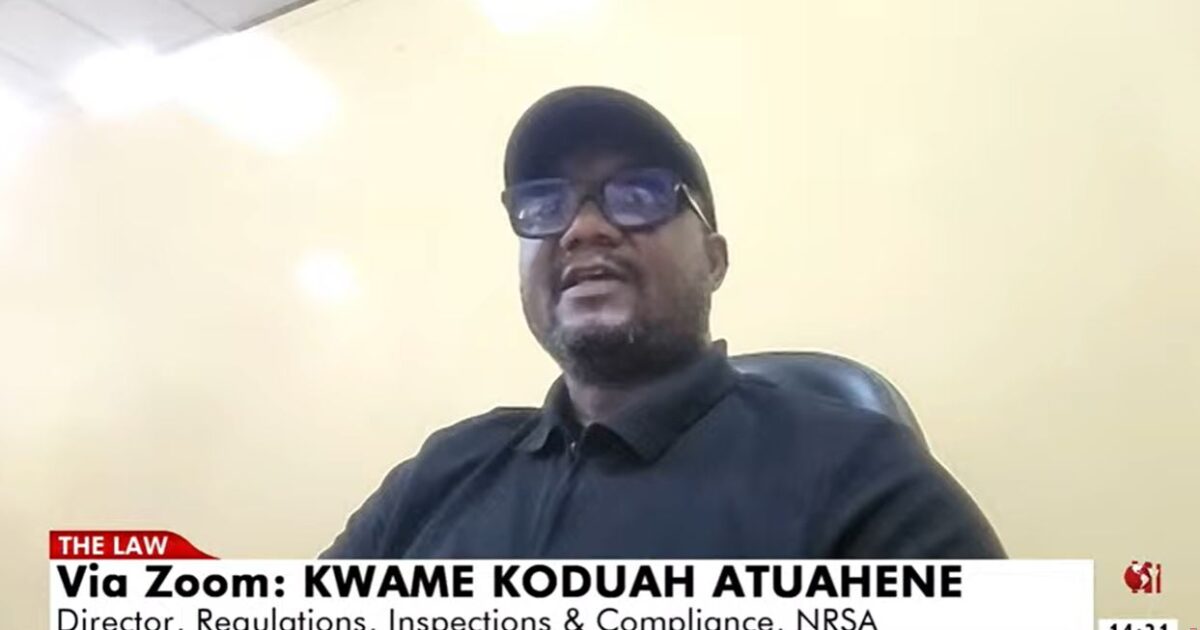
A recent clarification from the National Road Safety Authority (NRSA) has shed light on a crucial aspect of traffic-related interactions between motorists and police in Ghana. According to Kwame Koduah Atuahene, Director of Regulations, Inspections and Compliance at the NRSA, individuals stopped by police during such encounters have the right to record the interaction using their mobile phones.
This clarification has significant implications for motorists who may be involved in traffic stops with police. With the increasing use of mobile devices, it is now possible for drivers to capture audio-visual evidence of these interactions, which can be used as admissible evidence in court.
Legal Context
The NRSA's clarification is a welcome development in the context of Ghanaian law. The National Road Safety Authority Act (NRSA) 2019 establishes the Authority and its mandate. While the Act provides the framework, the right for recordings to be used as evidence in court proceedings is a clarification from the NRSA Director, reflecting broader legal principles regarding admissible evidence.
The clarification from the NRSA Director underscores the importance of this principle and serves as a reminder to law enforcement agencies of their obligations under Ghanaian law. It also highlights the need for motorists to be aware of their rights and take advantage of technological advancements to protect themselves.
Why It Matters
The right to record traffic-related interactions with police is a critical aspect of ensuring accountability and transparency in law enforcement activities. By exercising this right, motorists can provide valuable evidence that can help prevent miscarriages of justice and promote public trust in the justice system.
Lawyers advising clients on traffic-related interactions with police in Ghana should inform them of their right to record such encounters, which may be used as admissible evidence in court. This knowledge empowers drivers to take control of their interactions with law enforcement agencies and seek recourse if necessary.
Practical Implications
Lawyers advising clients on traffic-related interactions with police in Ghana should inform them of their right to record the encounter, which may be used as admissible evidence in court.
Source
How does this affect you?
Get an AI analysis of this article grounded in your jurisdictions, practice areas, and any policy documents you've uploaded to Wansom.
Wansom is AI and can make mistakes.