
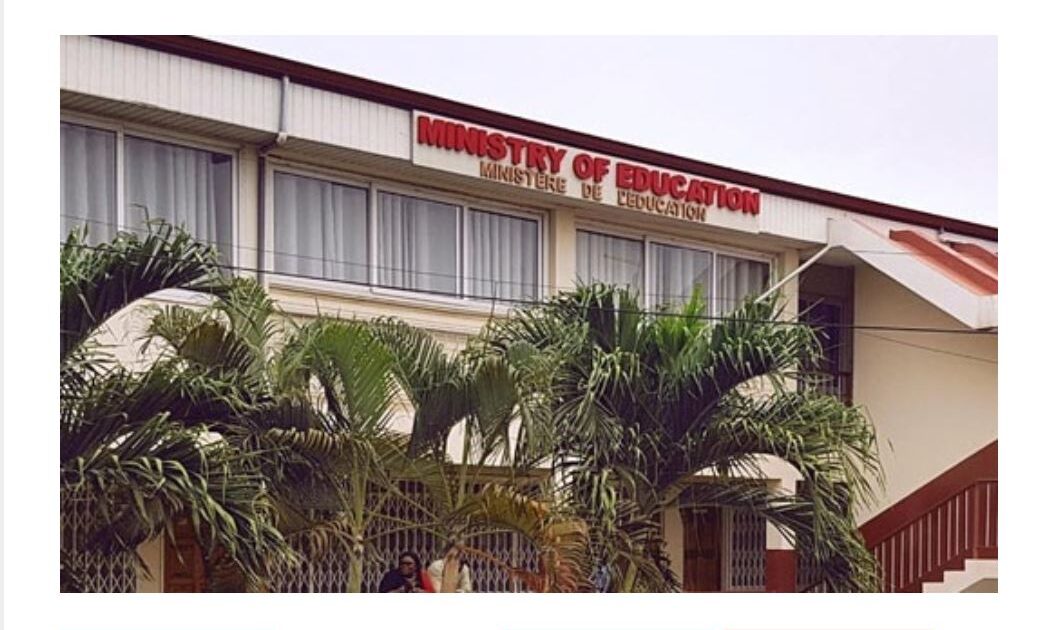
Ghana Education Ministry: Zero Tolerance for Sexual Harassment in Universities
Summary
- The Ghanaian government is strengthening its stance against sexual harassment in educational institutions, focusing on prevention, reporting, and support systems.
- The Ghana Tertiary Education Commission (GTEC) has developed guidelines for anti-sexual harassment policies in tertiary education institutions.
- Institutions may need to review their existing policies and procedures to ensure alignment with the new guidelines.
- Sexual harassment undermines dignity and well-being, affects educational experiences, and erodes confidence in institutions.
- Creating safe learning environments requires a collective effort from institutions, policymakers, and individuals.
Government Strengthens Stance Against Sexual Harassment
Government is unequivocal in its position that sexual harassment has no place in our educational institution.
The Ghanaian government is taking a firmer stance against sexual harassment in educational institutions, with a focus on prevention, reporting, and support systems. According to Deputy Director of the Tertiary Directorate at the Ministry of Education, Harriet Krakani, sexual harassment has no place in Ghana's educational institutions. This position was reaffirmed at a recent multi-tertiary stakeholder conference in Accra, which brought together representatives from various universities to discuss strengthening survivor-centred sexual harassment prevention and response in tertiary institutions.
The conference, organised by the Perfector of Sentiments (POS) Foundation and Amplify Change, highlighted the importance of creating institutional cultures where sexual harassment is actively prevented. Ms Krakani emphasized that institutional responses should go beyond dealing with incidents after they occur, instead focusing on proactive measures to prevent harassment from happening in the first place.
The Ghana Tertiary Education Commission (GTEC) has developed guidelines for anti-sexual harassment policies in tertiary education institutions, providing a framework for prevention, reporting, and response. Ms Krakani commended the organisers of the conference for challenging stakeholders to translate policy commitments into practical action.
Legal Context: Existing Policies and Guidelines
The existence of policies is only the beginning in combating sexual harassment, according to Ms Krakani. Their effectiveness depends on proper implementation, which includes creating institutional cultures where reporting is encouraged and survivors are treated with dignity and confidentiality. The Ghana Tertiary Education Commission (GTEC) guidelines for anti-sexual harassment policies provide a framework for prevention, reporting, and response, protection, and enforcement.
The government's position is that sexual harassment should be prevented, reported, and addressed, and never normalised in tertiary institutions. This reflects the clear commitment to creating safe learning environments where students and staff can thrive without fear of harassment.
Lawyers and compliance officers should note that this development may require institutions to review their existing policies and procedures to ensure they are aligned with the new guidelines.
Why It Matters: Protecting Dignity, Safety, and Well-being
Sexual harassment undermines the dignity and well-being of individuals, affects the educational experience of students and staff, and can erode confidence in institutions. The government's stance against sexual harassment is not only a moral imperative but also a necessary step towards creating inclusive and safe learning environments.
The conference challenged stakeholders to move beyond policies and commitments to practical action that protects dignity, safety, and well-being. This requires a collective effort from institutions, policymakers, and individuals to create cultures where reporting is encouraged and survivors are supported.
Preventing sexual harassment in tertiary institutions is not only a matter of compliance with guidelines but also a moral obligation to protect the rights and dignity of all individuals.
Practical Implications
Lawyers and compliance officers should note that the Ghanaian government is strengthening its stance against sexual harassment in educational institutions, with a focus on prevention, reporting, and support systems. This development may require institutions to review their existing policies and procedures to ensure they are aligned with the new guidelines.
Source
Source: Original reporting via GNA
How does this affect you?
Get an AI analysis of this article grounded in your jurisdictions, practice areas, and any policy documents you've uploaded to Wansom.
Wansom is AI and can make mistakes.