
Ghana NRSA: Mandatory Towing System Law to Tackle Road Crashes by 2027
Summary
- The National Road Safety Authority (NRSA) is deploying Traffictech, a technology-based system, to monitor motorists and apprehend traffic offenders in Ghana.
- A new Ghana mandatory towing system law, expected in 2027, will require all vehicle owners to register with a towing or insurance company.
- This mandatory towing system aims to reduce road crashes caused by broken-down vehicles left stationary on roads.
- Traffictech will utilize cameras and monitoring devices at strategic locations to capture approximately 16 types of traffic offenses.
- The NRSA will conduct a nationwide public education campaign to raise awareness about the upcoming mandatory towing system.
Ghana's Sweeping Road Safety Overhaul
The impending Ghana mandatory towing system law, set to take effect in 2027, will introduce significant compliance obligations for all vehicle owners, requiring them to register with a designated towing or insurance company.
Ghana is poised for a significant transformation in its approach to road safety, with the National Road Safety Authority (NRSA) announcing two major initiatives designed to curb traffic offenses and reduce accidents. These include the deployment of a sophisticated technology-based monitoring system, dubbed Traffictech, and the introduction of a comprehensive Ghana mandatory towing system law. These measures represent a concerted effort to modernize enforcement and address persistent causes of road fatalities.
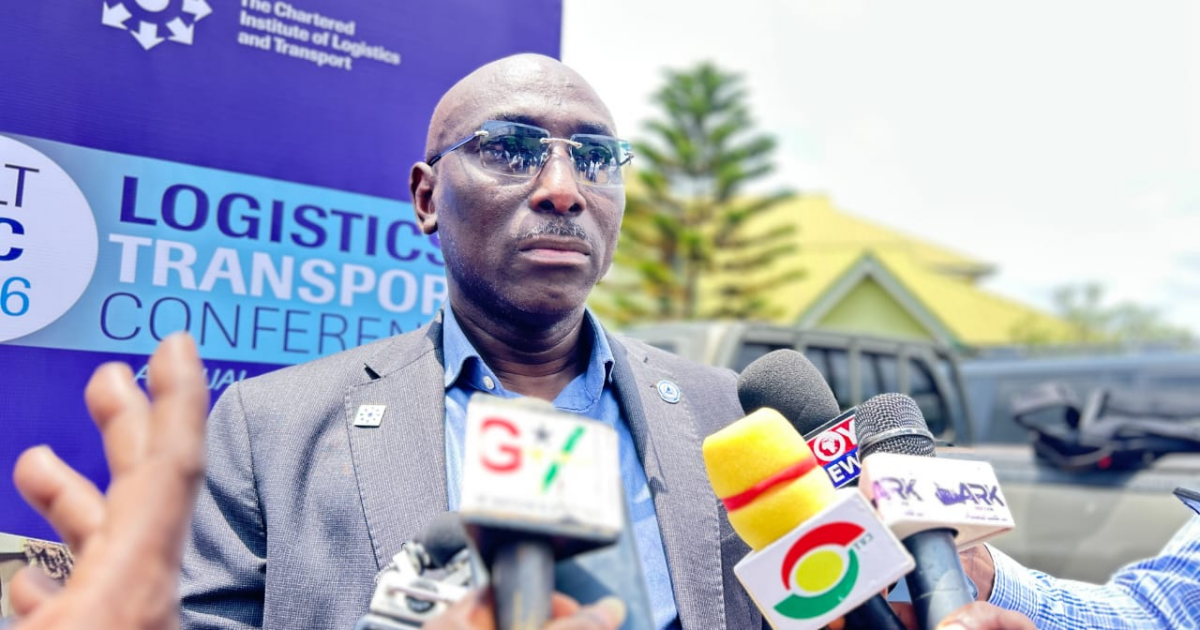
Mr. Abraham Amaliba, the Director-General of the NRSA, unveiled these plans during a recent address at the Ghana Logistics and Transport of the Chartered Institute of Logistics and Transport (CILT) Conference and Annual General Meeting. Speaking on behalf of Mr. Joseph Bukari Nikpe, the Minister of Transport, Mr. Amaliba highlighted the government's commitment to leveraging technology and regulatory frameworks to enhance road safety across the nation. The conference, held in Fiapre, near Sunyani in the Bono Region, served as the platform for detailing these critical updates to Ghana road safety regulations.
Impending Ghana Mandatory Towing System Law
A cornerstone of the forthcoming Ghana road safety regulations update is the mandatory towing system, slated for implementation in 2027. This new law is specifically designed to tackle the pervasive issue of road crashes stemming from broken-down vehicles that remain stationary on public thoroughfares. The Ministry of Transport has identified such incidents as a primary contributor to road accidents, underscoring the urgency of this regulatory intervention.
Under the provisions of this impending legislation, every vehicle owner in Ghana will face new compliance obligations: they must either register with a designated towing company or subscribe to an insurance company that provides towing services. The system envisions a streamlined process where, in the event of a vehicle breakdown, motorists can simply contact their registered provider for prompt removal. To facilitate this, the National Road Safety Authority Ghana plans to establish a dedicated towing platform, akin to existing ride-hailing applications, which will efficiently connect stranded motorists with the nearest available registered towing service. Furthermore, all towing companies intending to operate under this new framework will be required to register with the NRSA, ensuring standardized service delivery and accountability. The NRSA also committed to undertaking a nationwide public education campaign to ensure widespread awareness and understanding of these new Ghana vehicle towing requirements 2027.
Enhanced Enforcement with NRSA Traffictech Deployment Ghana
Complementing the new towing requirements, the NRSA Traffictech deployment Ghana marks a significant shift in how traffic regulations will be enforced. This advanced, technology-based system is engineered to monitor motorists continuously and identify those who violate traffic laws. Unlike traditional enforcement methods that rely on police officers manually identifying and apprehending offenders at vantage points, Traffictech will employ an array of cameras and other monitoring devices strategically installed across the country.
These devices, which include cameras mounted on poles, tripods, and even vehicles, are designed to capture evidence of non-compliance. Mr. Amaliba emphasized that Traffictech is fundamentally about utilizing technology to apprehend individuals who disregard traffic rules, thereby improving the efficiency and reach of enforcement efforts. The system is expected to capture approximately 16 distinct traffic offenses, signaling a broader and more consistent application of traffic laws. This increased enforcement risk from Traffictech Ghana enforcement underscores the need for all drivers to adhere strictly to road safety regulations.
Broader Road Safety and Accessibility Concerns
Beyond the immediate regulatory changes, the conference also brought to light broader discussions on inclusive transport. Alhaji Saaka Dumba, President of CILT Ghana, issued a call for a transport system that actively considers the needs of persons with disabilities and other vulnerable populations. He pointed out that despite Ghana's ratification of international treaties and the enactment of domestic laws concerning the rights of persons with disabilities, their practical implementation in the transport sector remains a significant challenge.
Alhaji Dumba highlighted critical deficiencies, noting that many public transport options, including shared minibuses (trotros) and even some government vehicles, are high-entrance and lack essential features like low floors or ramps to accommodate wheelchairs. He advocated for public transport operators to proactively acquire vehicles equipped with ramps, low floors, and other accessibility features to ensure ease of boarding and travel for persons with disabilities. The 2024 Ghana Statistical Service report, cited at the conference, corroborated these concerns, identifying the absence of wheelchair ramps, designated seating, high-floor vehicles, poorly maintained sidewalks, and a lack of traffic signals with audio prompts as major barriers to mobility for persons with disabilities. Alhaji Dumba stressed the importance of deliberate planning to integrate the needs of persons with disabilities into both vehicle procurement and infrastructure development, advocating for a truly integrated transport system.
Practical Implications
The impending mandatory towing system, expected in 2027, will impose new compliance obligations on all vehicle owners in Ghana to register with a towing or insurance company. Lawyers and compliance officers must monitor the finalization and rollout of this new law to advise clients on these requirements and the implications of non-compliance, while also noting the increased enforcement risk from the deployment of Traffictech.
Source
How does this affect you?
Get an AI analysis of this article grounded in your jurisdictions, practice areas, and any policy documents you've uploaded to Wansom.
Wansom is AI and can make mistakes.