
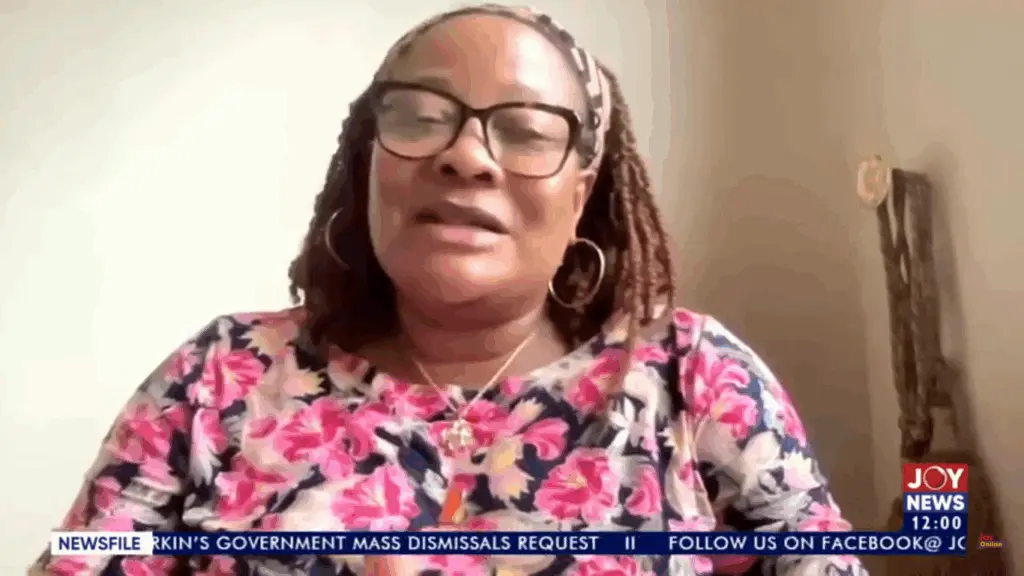
Transparency International Ghana: OSP Urged to Broaden Asante Kweku Berko Investigation
Summary
- Transparency International Ghana's Executive Director, Mary Addah, has called for an extensive OSP investigation into the Ghanaian dimension of the Asante Kweku Berko bribery case.
- The call specifically urges the Office of the Special Prosecutor (OSP) to examine all institutions and individuals involved in the deal’s value chain.
- This initiative aims to broaden the scope of anti-corruption enforcement in Ghana, targeting a comprehensive understanding of the bribery case.
- The demand underscores heightened anti-corruption enforcement risk for businesses operating in Ghana, particularly concerning their third-party engagements.
Call for Comprehensive Scrutiny
The demand highlights a desire for a holistic approach to anti-corruption efforts, moving beyond primary actors to encompass the entire network of participants.
Mary Addah, the Executive Director of Transparency International Ghana, has issued a strong appeal to the Office of the Special Prosecutor (OSP) in Ghana. She is urging the OSP to undertake a thorough and extensive investigation into the Ghanaian aspects of the Asante Kweku Berko bribery case. This call specifically targets all entities and individuals who were part of the deal's value chain, insisting that their involvement warrants detailed examination.
The demand highlights a desire for a holistic approach to anti-corruption efforts, moving beyond primary actors to encompass the entire network of participants. The focus on the 'value chain' suggests an intent to uncover any complicity or benefit derived from the alleged bribery across various stages of the transaction. This broad scope aims to ensure that no institution or individual connected to the Asante Kweku Berko bribery case in Ghana escapes scrutiny, reinforcing the push for accountability.
Ghana's Anti-Corruption Framework
The Office of the Special Prosecutor Ghana plays a pivotal role in the nation's anti-corruption enforcement landscape, established with a mandate to investigate and prosecute corruption offenses involving public officers and politically exposed persons. Mary Addah's insistence on an extensive investigation into the Asante Kweku Berko bribery case aligns with the OSP's mission to tackle corruption comprehensively, ensuring that justice is pursued without fear or favor.
An investigation that delves into the entire value chain, as advocated by Transparency International Ghana OSP, represents a significant strategic approach in combating corruption. It implies a readiness to trace illicit financial flows and undue influence through all layers of a transaction, from initial negotiations to final execution. This method aims to dismantle corrupt networks rather than just addressing isolated incidents, thereby strengthening Ghana's overall anti-corruption enforcement capabilities.
Such calls from prominent civil society organizations like Transparency International Ghana serve to reinforce public trust in anti-corruption institutions and signal a commitment to transparency. By urging the OSP to examine every institution and individual involved, the message is clear: Ghana is committed to uncovering and addressing corruption at all levels, particularly in high-profile cases like the Asante Kweku Berko bribery case.
Wider Implications for Business Integrity
The demand for an extensive OSP Asante Kweku Berko investigation Ghana, specifically targeting the entire value chain, carries significant implications for businesses operating within the country. This approach signals a heightened anti-corruption enforcement risk in Ghana, indicating that authorities may increasingly scrutinize not just direct participants in illicit activities but also any entities or individuals who facilitated or benefited indirectly from them.
For companies engaged in large transactions or complex supply chains, this development underscores the critical importance of robust compliance frameworks and thorough due diligence processes. The focus on the 'value chain' means that third-party intermediaries, suppliers, and partners could all come under the microscope if a primary transaction is implicated in corruption. Businesses must therefore review their internal controls and external vetting procedures to mitigate exposure to potential OSP scrutiny.
This proactive stance from Transparency International Ghana, urging a broad probe into the Asante Kweku Berko bribery case, serves as a clear warning. It highlights the need for corporate entities to ensure impeccable integrity across their operations and with all their associates, thereby reducing the risk of being inadvertently caught in future anti-corruption investigations in Ghana.
Practical Implications
The call for a broad OSP investigation into the 'value chain' of the Asante Kweku Berko bribery case signals heightened anti-corruption enforcement risk in Ghana. Lawyers should advise clients engaged in large transactions to review their compliance frameworks and due diligence processes, particularly concerning third-party intermediaries and supply chain integrity, to mitigate exposure to future OSP scrutiny.
Source
Source: Original reporting via GhanaWeb
How does this affect you?
Get an AI analysis of this article grounded in your jurisdictions, practice areas, and any policy documents you've uploaded to Wansom.
Wansom is AI and can make mistakes.