
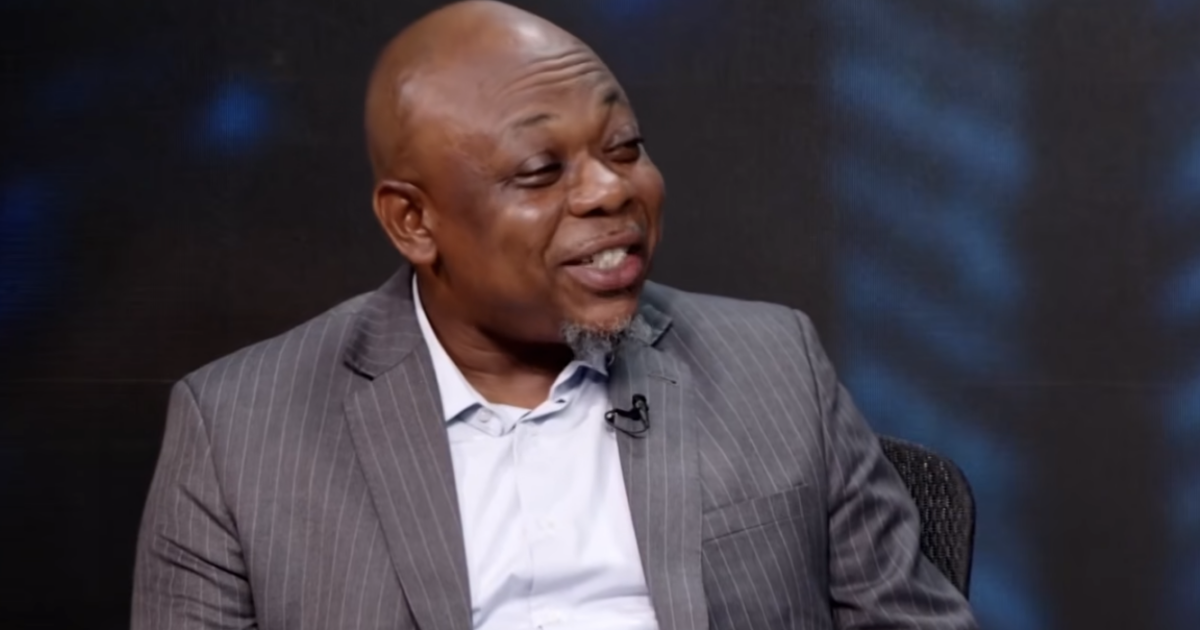
Ghana Gold Board Probe Defense: Agalga Cites Surplus, No Losses
Summary
- Incoming Majority Leader James Agalga defended the Ghana Gold Board (GoldBod) against calls for a parliamentary probe into alleged losses from the domestic gold purchase program.
- Agalga stated GoldBod is ready for scrutiny and claimed the Auditor-General's 2025 report found no adverse findings against the entity.
- He argued GoldBod, acting as an agent for the Bank of Ghana, has not incurred losses but recorded a surplus exceeding 4 billion.
- Agalga highlighted a 2023 agreement between the Bank of Ghana and the now-defunct PMMC, which he says covers program costs and remains in force.
- He called for a comprehensive investigation into the domestic gold purchase program from its inception, citing an IMF report that indicated a $400 million loss.
Parliamentary Scrutiny Intensifies
He contended that GoldBod, operating as an agent of the Bank of Ghana, should not be held responsible for these expenses, asserting that the principal entity ought to bear such costs.
Incoming Majority Leader James Agalga has publicly defended the Ghana Gold Board (GoldBod) amidst growing calls for a parliamentary inquiry into alleged financial losses associated with the government’s domestic gold purchase program. Speaking on Joy News’ PM Express, the Builsa North MP asserted GoldBod's readiness for comprehensive scrutiny, emphasizing the entity's commitment to accountability regarding its operations.
The Minority caucus in Parliament has been a vocal proponent of an ad hoc committee to investigate specific losses reported for 2025. However, Agalga questioned the efficacy of such a narrowly focused probe, suggesting it would fail to capture the full scope of the program's financial history and associated costs. His remarks underscore a developing political and financial debate surrounding the transparency and management of Ghana's gold acquisition initiatives.
GoldBod's Financial Position Under Review
Agalga’s defense of GoldBod is rooted in specific financial claims and a review of pertinent documentation. He indicated that his discussions with Gold Board CEO Sammy Gyamfi, coupled with his perusal of relevant records, suggest that the issues concerning the program's finances predate GoldBod's current operational structure. Crucially, Agalga highlighted that the Auditor-General’s 2025 report contained no adverse findings against GoldBod, directly challenging assertions of recent financial mismanagement.
Furthermore, the Incoming Majority Leader contended that GoldBod has not incurred losses but has, in fact, generated a significant surplus, reportedly exceeding 4 billion, a figure he claims is reflected in the Auditor-General’s report. He clarified GoldBod’s role as an agent of the Bank of Ghana, arguing that the principal entity, the Bank of Ghana, should ultimately bear the costs associated with the domestic gold purchase program, rather than GoldBod itself.
Historical Context and Cost Allocation
Central to Agalga’s argument is an existing agreement, dated 2023, between the now-defunct Precious Minerals Marketing Company (PMMC) and the Bank of Ghana. This agreement, which Agalga confirmed remains in force, explicitly outlines provisions for various costs linked to the domestic gold purchase program. These expenses encompass critical operational aspects such as security, insurance, assay, and smelting.
He stressed that because this foundational agreement, which predates the specific 2025 period targeted by the Minority's proposed probe, is still active, any investigation limited solely to 2025 would be inherently incomplete. This historical context is vital for understanding the allocation of costs and responsibilities across different state entities involved in Ghana's gold purchasing efforts.
Calls for Comprehensive GoldBod Parliamentary Inquiry
Beyond GoldBod’s immediate financial standing, Agalga advocated for a more extensive parliamentary investigation into the domestic gold purchase program, urging that it cover the program from its inception. He cited an International Monetary Fund (IMF) report which, he stated, indicated a loss of $400 million through the Domestic Gold Purchase Programme, an initiative originally designed to bolster the national currency.
Agalga further emphasized that limiting the parliamentary inquiry to only 2025 would provide an incomplete and potentially misleading picture of the program's financial history. He argued that a thorough examination of how costs were managed under previous administrations and throughout the program's entire lifespan is essential for a complete understanding and to ensure full accountability to the Ghanaian populace, especially given the enduring nature of the 2023 PMMC-Bank of Ghana agreement.
Practical Implications
This development signals heightened scrutiny over Ghana's domestic gold purchase program and the financial accountability of state entities like GoldBod and the Bank of Ghana. Lawyers advising clients in the mining, finance, or commodity trading sectors should monitor the parliamentary probe's scope and findings, as it could influence future regulatory compliance, contractual obligations, and risk assessments related to government-backed initiatives and cost allocation in public-private agreements.
Source
How does this affect you?
Get an AI analysis of this article grounded in your jurisdictions, practice areas, and any policy documents you've uploaded to Wansom.
Wansom is AI and can make mistakes.