
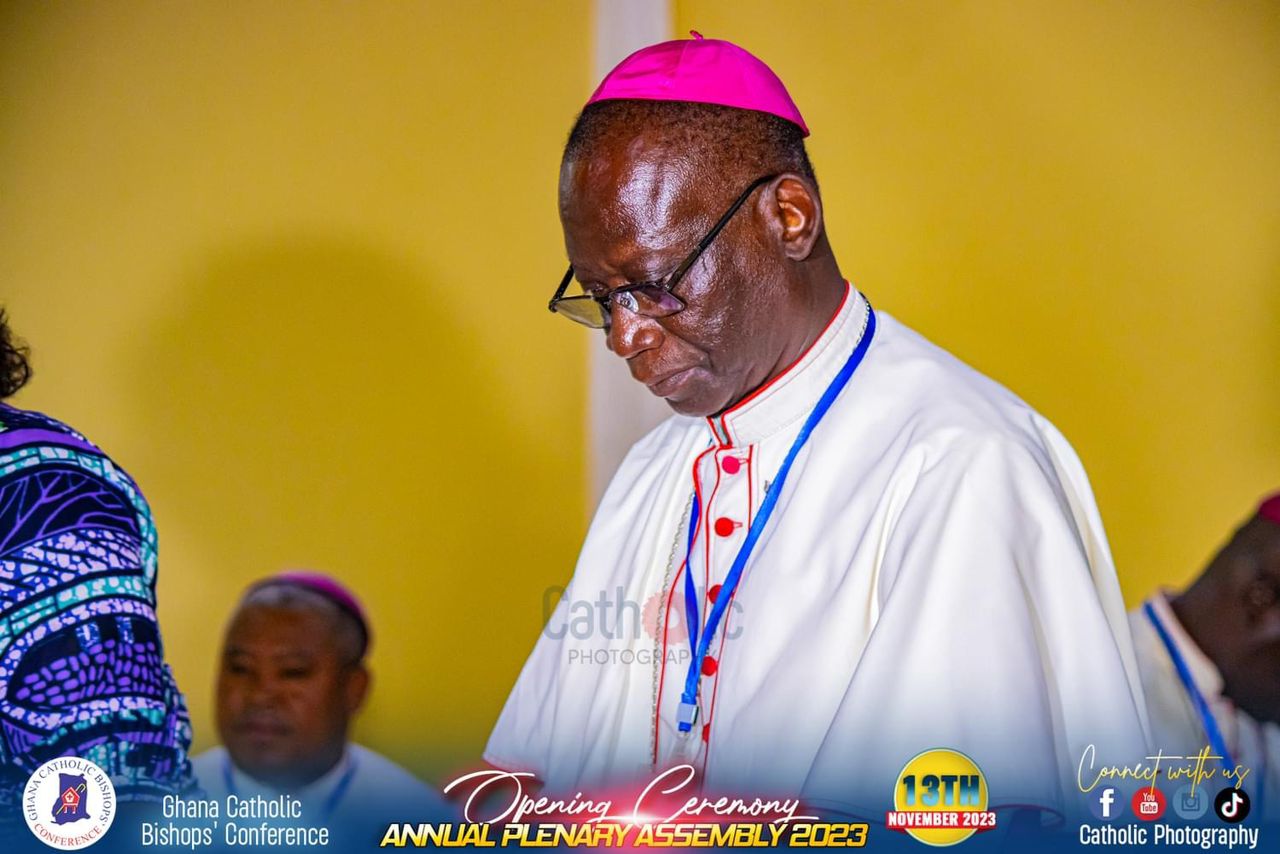
Ghana Catholic Bishops: GES Council Removal Harms Education Policy Influence
Summary
- The Ghana Catholic Bishops' Conference criticized the removal of its representative from the Ghana Education Service Council.
- The Conference argues this exclusion reduces its influence and could worsen indiscipline in Senior High Schools.
- Most Rev. Matthew Gyamfi, President of the GCBC, questioned the rationale for excluding the Church given its long-standing educational contributions.
- He asserted that the Church's experience in promoting discipline and moral values is crucial for addressing school challenges.
- The GCBC is calling for greater inclusion of faith-based education providers in Ghana's education policy and decision-making.
The Bishops' Concerns Over Council Exclusion
He pointedly questioned the logic of removing an entity whose core mission is to cultivate discipline and morality, only to then lament the presence of indiscipline and immorality in educational institutions.
The Ghana Catholic Bishops' Conference (GCBC) has issued a strong critique regarding the recent removal of its representative from the Ghana Education Service (GES) Council. This decision, according to the Conference, significantly diminishes its capacity to influence crucial discussions pertaining to education policy and governance, thereby reducing its overall impact on the sector. The GCBC contends that such exclusion carries potential ramifications for maintaining discipline within Senior High Schools across the nation, a matter of growing public concern.
Despite its substantial role as the second-largest provider of formal education throughout Ghana, the Conference reports a growing trend of being sidelined from pivotal decision-making platforms within the country's education sector. This development is particularly alarming to the GCBC, especially at a juncture when public anxieties over student indiscipline and declining moral standards are increasingly prevalent. The Bishops view their diminished presence on the GES Council as a worrying trend that could exacerbate these existing challenges, impacting the moral fabric of school communities.
Rationale for Inclusion and Moral Leadership
Most Rev. Matthew Gyamfi, who serves as the President of the Ghana Catholic Bishops' Conference, articulated these profound concerns during a recent meeting with Parliament’s Chieftaincy, Culture and Religious Affairs Committee on August 27, 2026. He directly challenged the justification for excluding the Church from a body tasked with shaping fundamental decisions on Ghana education policy, underscoring the Church's extensive and long-standing contributions to the educational landscape. He questioned how a body responsible for education could overlook such a significant stakeholder.
Call for Broader Faith-Based Engagement
In light of these developments, the Ghana Catholic Bishops' Conference is advocating for a more inclusive approach to faith-based education Ghana policy. They specifically call for the enhanced participation of faith-based education providers in both the policy formulation and decision-making processes that directly impact Ghana’s education system. This plea underscores their belief that diverse stakeholder representation, particularly from organizations with deep historical ties and ongoing commitments to education, is vital for holistic development and effective governance.
The Conference argues that ignoring the perspectives and contributions of significant educational stakeholders, such as the Ghana Catholic Bishops' Conference, risks undermining efforts to address critical issues like school indiscipline Ghana education faces. Their continued exclusion from the Ghana Education Service Council, they suggest, not only marginalizes a key voice but also potentially deprives the system of proven strategies for moral and disciplinary development, at a time when such input is most needed to shape the future of the nation's youth.
Practical Implications
Lawyers advising educational institutions or faith-based organizations in Ghana should note the ongoing public debate regarding stakeholder representation on the Ghana Education Service Council, as shifts in influence could impact future education policy and governance frameworks, particularly concerning discipline and moral values in schools.
Source
How does this affect you?
Get an AI analysis of this article grounded in your jurisdictions, practice areas, and any policy documents you've uploaded to Wansom.
Finish this article free. Just your email for instant unlock.
Wansom is AI and can make mistakes.