
Ghana PURC: Contractors Face Utility Damage Liability
Summary
- The Public Utilities Regulatory Commission (PURC) is initiating efforts to curb utility infrastructure damage during road construction in Ghana.
- Utility providers will be mandated to supply contractors with detailed maps of major transmission lines and pipelines to guide construction.
- Contractors found responsible for damaging critical infrastructure, despite having access to maps, will be liable for repair costs through a new PURC platform.
- The PURC has urged consumers to report disruptions to water or electricity supply caused by construction activities.
- Broader challenges to water supply, including illegal mining and siltation, continue to impact the Western Region despite infrastructure expansion projects.
Protecting Ghana's Utility Networks
Contractors who cause damage to critical utility infrastructure, even after being provided with relevant mapping information, could be held accountable for the full cost of restoring services.
The Public Utilities Regulatory Commission (PURC) in Ghana is spearheading a new initiative to mitigate the increasing damage to vital water and other utility infrastructure during ongoing road construction projects. This proactive step comes in response to widespread concerns regarding interference with major pipelines and facilities across various regions, particularly as the government intensifies its road development efforts under the ambitious "Big Push" programme.
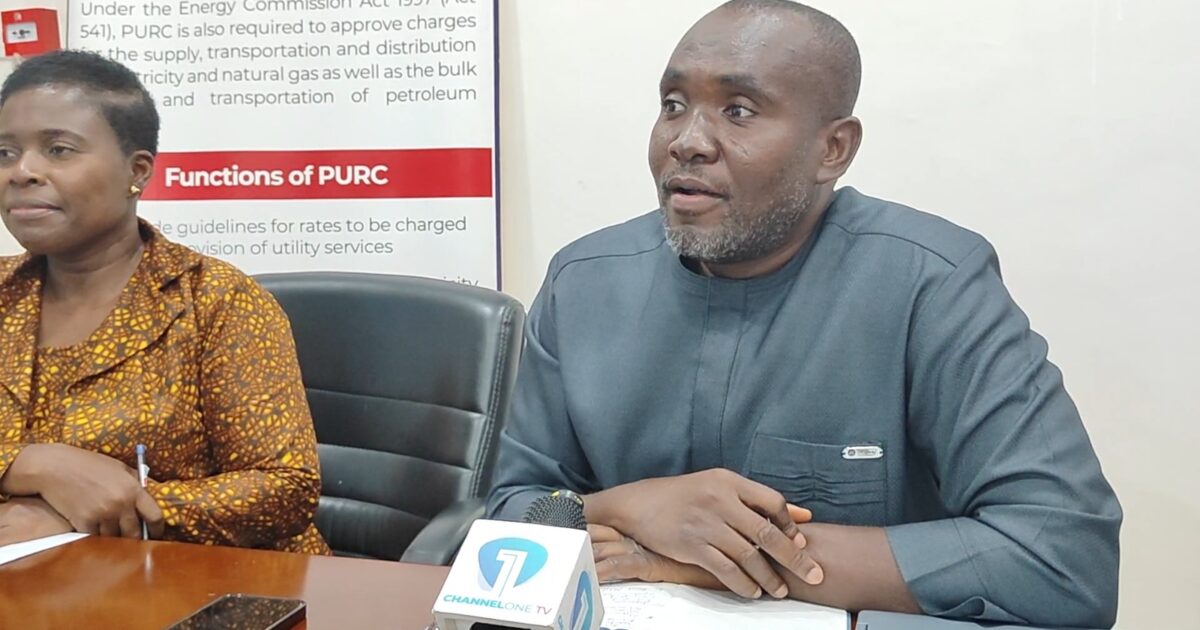
Dr. Shafic Suleman, the PURC Executive Secretary, announced during a media engagement in the Western Region that the Commission plans to convene key stakeholders. These include the Ministry of Roads and Highways Ghana, road contractors, and utility service providers. The objective is to forge a more collaborative and effective strategy for utility infrastructure protection Ghana, ensuring that critical services remain uninterrupted as development progresses.
Establishing Contractor Liability and Cost Recovery
A central component of the PURC's new framework involves enhancing accountability for construction firms. Utility providers will now be mandated to furnish contractors with comprehensive maps detailing the precise locations of their major transmission and distribution lines, including pipelines. This crucial information is intended to serve as a guide, helping contractors avoid inadvertent damage during their operational activities.
Under the proposed system, contractors who cause damage to critical utility infrastructure, even after being provided with relevant mapping information, could be held accountable for the full cost of restoring services. The PURC intends to establish a dedicated platform to facilitate this process, allowing affected utility companies to claim repair expenses directly from the responsible contractor. This measure aims to solidify Ghana PURC contractor utility damage liability, ensuring that the financial burden of repairs falls on those who cause the disruption, thereby addressing the issue of Ghana road construction utility damage more directly.
Broader Implications for Water Security
Beyond immediate construction-related damage, the PURC's engagement also touched upon broader challenges affecting water supply, as highlighted during a visit to the Daboase Water Treatment Plant. This facility is nearing completion of a significant €70-million expansion project, poised to substantially boost water production for the Sekondi-Takoradi area and surrounding communities. Project specifications indicate a design capacity of 100,000 cubic metres of water per day, equivalent to approximately 22 million gallons daily.
While the expanded Daboase plant is expected to improve water availability in Takoradi and Sekondi, Dr. Suleman noted that challenges with transmission pipelines persist. Ghana Water has provided assurances that the pipeline connecting the Daboase plant to the twin cities will be expanded as part of the project's second phase, which also includes plans for an additional treatment plant. However, Dr. Suleman cautioned that increased treatment capacity alone would not fully resolve the region's water issues if illegal mining, locally known as 'galamsey,' continues to contaminate raw water sources. These activities not only escalate the cost of treating water but also pose a significant threat to sustainable water supply, a concern previously raised by PURC regarding siltation from both construction and galamsey activities in the Western Region.
Promoting Transparency and Consumer Reporting
The Commission is also empowering consumers by urging them to report any disruptions to their water or electricity supply that result from construction activities. The PURC has already successfully resolved several such complaints and has actively engaged with the Ministry of Roads and Highways Ghana to underscore the importance of contractors safeguarding utility installations.
Dr. Suleman affirmed the PURC's ongoing commitment to addressing complaints related to poor quality of service. The Commission will continue to ensure that both utility providers and contractors take prompt and effective measures to restore affected services, reinforcing the collective responsibility for maintaining essential public utilities.
Practical Implications
Lawyers advising construction firms in Ghana should prepare for increased scrutiny and potential liability for utility infrastructure damage during road projects, as PURC plans to enforce cost recovery. Utility providers should ensure accurate mapping of their lines and be aware of the new platform for claiming repair costs.
Source
How does this affect you?
Get an AI analysis of this article grounded in your jurisdictions, practice areas, and any policy documents you've uploaded to Wansom.
Finish this article free. Just your email for instant unlock.
Wansom is AI and can make mistakes.