
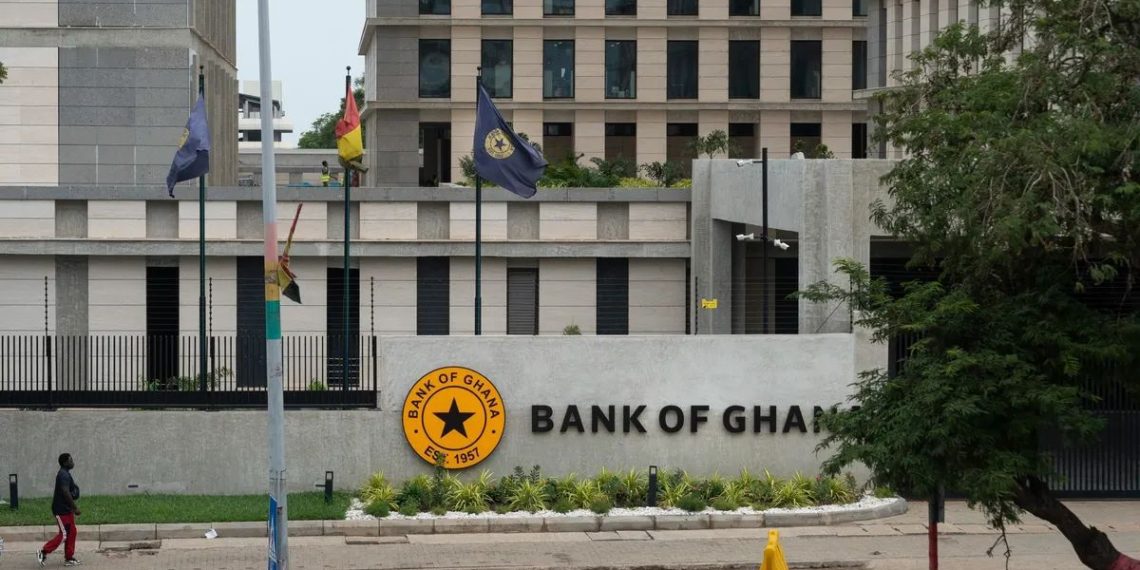
Ghana BoG: LCR Directive 2026 Boosts Banking Sector Stability
Summary
- The Bank of Ghana has proposed a new regulatory requirement for banks through the LCR Directive, 2026 exposure draft.
- This directive mandates banks to hold sufficient high-quality liquid assets to cover 30 days of projected net cash outflows during financial stress.
- The proposal aims to enhance the short-term liquidity resilience of banks and strengthen Ghana banking sector regulations.
- The LCR Directive, 2026 is currently an exposure draft, indicating it is open for review and feedback.
- This measure is intended to ensure banks can always meet customer demands, even in challenging economic conditions.
New Liquidity Requirements Proposed by BoG
The core objective is to ensure these institutions can adequately cover their projected net cash outflows during a 30-day period of severe financial stress.
The Bank of Ghana (BoG) has put forward a significant new regulatory proposal aimed at bolstering the financial resilience of the nation's banking sector. This initiative, detailed in the exposure draft of the Liquidity Coverage Ratio (LCR) Directive, 2026, seeks to mandate that all banks maintain a sufficient buffer of high-quality liquid assets. The core objective is to ensure these institutions can adequately cover their projected net cash outflows during a 30-day period of severe financial stress.
This proposed Ghana BoG LCR Directive 2026 represents a proactive measure by the central bank to enhance the stability and soundness of the financial system. By requiring banks to hold readily convertible assets, the BoG aims to mitigate liquidity risks and safeguard depositors' funds, ensuring that financial institutions can meet their obligations even under adverse market conditions. The publication of this exposure draft signals the central bank's commitment to strengthening Ghana banking sector regulations.
Understanding the LCR Directive 2026 Ghana
The Liquidity Coverage Ratio (LCR) is a critical component of international banking standards, designed to promote short-term resilience of the liquidity risk profile of banks. The BoG's proposed directive specifically outlines that banks must possess enough high-quality liquid assets to offset any anticipated net cash outflows over a month-long period of financial turmoil. This requirement is fundamental to the broader framework of BoG financial stability rules, which continuously evolve to address potential vulnerabilities within the financial landscape.
As an exposure draft, the LCR Directive 2026 Ghana is currently undergoing a review process, allowing stakeholders to provide feedback before its finalization. This consultative approach ensures that the eventual regulation is robust, practical, and effectively addresses the unique dynamics of the Ghanaian financial market. The Bank of Ghana Liquidity Coverage Ratio framework is expected to align local practices with international best standards for liquidity management.
Implications for Financial Stability
The introduction of the Ghana BoG LCR Directive 2026 carries profound implications for the operational strategies and risk management frameworks of financial institutions across the country. By mandating a higher level of liquid asset holdings, the central bank is directly addressing the potential for liquidity crises, which can quickly destabilize individual banks and, by extension, the entire financial system. This move is crucial for enhancing overall Ghana bank capital adequacy and ensuring public confidence in the banking sector.
Ultimately, this regulatory enhancement is designed to protect customers by ensuring that banks possess the necessary resources to honor withdrawal requests and other short-term liabilities, even during periods of economic uncertainty or market stress. The directive underscores the BoG's commitment to fostering a resilient and stable financial environment, where banks are well-equipped to navigate unforeseen challenges and continue serving the economic needs of the nation.
Practical Implications
Compliance officers and legal teams within Ghanaian financial institutions must review the BoG's LCR Directive 2026 exposure draft to assess its impact on their liquidity management frameworks and capital planning, and prepare for new compliance obligations well before its anticipated 2026 implementation.
Source
How does this affect you?
Get an AI analysis of this article grounded in your jurisdictions, practice areas, and any policy documents you've uploaded to Wansom.
Finish Reading the Full Story and the Expert Analysis.
Get the latest legal & regulatory intelligence in Ghana
Wansom is AI and can make mistakes.