
Ghana Rejects US Health Compact: Cites Data Sovereignty Concerns
Summary
- Ghana rejected a proposed US$109 million health compact with the United States.
- The rejection was based on concerns regarding Ghana’s health data, financing obligations, and regulatory authority.
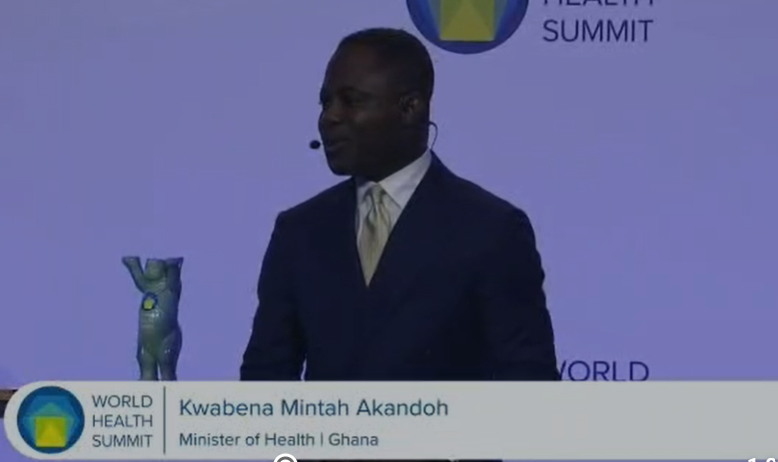
- Ghana's Health Minister, Kwabena Mintah Akandoh, called for international health policies to be shaped with countries, not imposed on them, at the World Health Summit in Berlin.
- Minister Akandoh emphasized that countries must have a central role in determining the future of global health.
Ghana Rejects US Health Compact
The Ghanaian government's decision to reject the US$109 million health compact, coupled with Minister Akandoh's statements, sends a strong signal regarding Ghana health data sovereignty and its broader international health policy.
Ghana has recently taken a definitive stance on international health partnerships, notably rejecting a proposed US$109 million health compact with the United States. This significant decision by the Ghanaian government was driven by a series of specific concerns embedded within the compact's provisions. Officials cited issues pertaining to the management and control of Ghana’s sensitive health data, the financial commitments and obligations that would be placed upon the nation, and the potential impact on its sovereign regulatory authority over health matters.
The rejection of this substantial US$109 million health compact serves as a clear demonstration of Ghana's commitment to prioritizing national control in global health initiatives. This action directly preceded, and provides critical context for, a powerful statement delivered by Ghana's Health Minister, Kwabena Mintah Akandoh. Addressing the World Health Summit in Berlin, Mr. Akandoh articulated a vision for global health systems that are fundamentally country-led, advocating for policies that are collaboratively shaped with nations rather than being externally imposed.
Advocating for Country-Led Global Health
Minister Akandoh's address at the World Health Summit in Berlin reiterated Ghana's long-standing advocacy for a global health framework where individual nations play a central, rather than peripheral, role. He underscored the imperative for international health policies to be crafted through genuine partnership and mutual agreement, ensuring that the unique contexts and priorities of each country are fully integrated. This perspective challenges traditional models where global health agendas might be perceived as being designed for, rather than with, sovereign states.
Ghana's renewed call for a country-led global health system, championed by figures like Kwabena Mintah Akandoh, reflects a growing sentiment among developing nations to assert greater agency in their health destinies. The Minister's remarks highlighted the critical need for countries to be at the forefront of determining the future trajectory of global health, moving away from top-down approaches. This emphasis on national leadership in Ghana international health policy is central to Ghana's engagement on the global stage.
Implications for Data Sovereignty and Policy
The Ghanaian government's decision to reject the US$109 million health compact, coupled with Minister Akandoh's statements, sends a strong signal regarding Ghana health data sovereignty and its broader international health policy. By expressing reservations about health data provisions and regulatory authority, Ghana is asserting its right to control critical national assets and maintain oversight of its health sector without undue external influence. This position is vital for ensuring that health interventions and data utilization align with national development goals and ethical standards.
This firm stance by Ghana holds significant implications for future international collaborations in the health sector. It underscores a global shift towards greater national ownership and self-determination in health policy, particularly concerning sensitive areas like data governance and financial arrangements. Ghana's insistence that countries must have a central role in shaping global health's future reflects a broader demand for equitable partnerships that respect national sovereignty and empower local decision-making.
Practical Implications
Lawyers advising on international health agreements or data sharing with Ghana should note the government's firm stance on national sovereignty over health data and regulatory authority, as demonstrated by the rejection of the US$109 million compact. This indicates increased scrutiny for future partnerships and a need to ensure compliance with Ghana's domestic control over health policy.
Source
How does this affect you?
Get an AI analysis of this article grounded in your jurisdictions, practice areas, and any policy documents you've uploaded to Wansom.
Finish Reading the Full Story and the Expert Analysis.
Get the latest legal & regulatory intelligence in Ghana
Wansom is AI and can make mistakes.