
Ghana: 2025 Auditor-General Financial Irregularities Cut by 62.9%
Summary
- Ghana reported a 62.9% reduction in financial irregularities across five key audited sectors in 2025.
- Total infractions decreased from GH¢20.72 billion in 2024 to GH¢7.69 billion in 2025, an absolute drop of GH¢13.03 billion.
- This reduction exceeded the government's 50% internal target by 12.9 percentage points.
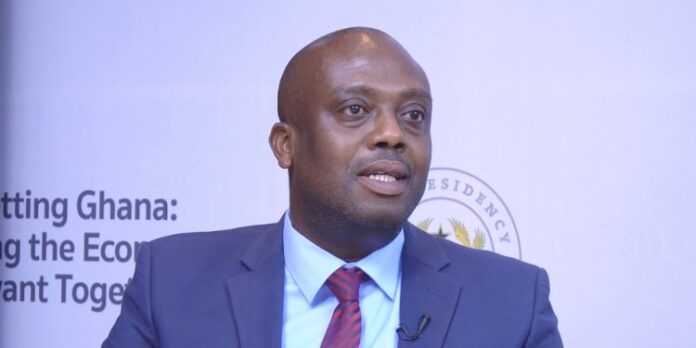
- Deputy Finance Minister Thomas Nyarko Ampem attributed the progress to deliberate administrative measures and public financial management reforms.
- Public sector leaders are urged to implement Auditor-General's recommendations and enforce zero-tolerance for future infractions.
Significant Reduction in Public Sector Irregularities
This achievement signals increased scrutiny and enforcement of financial regulations within Ghana's public sector.
Ghana has achieved a substantial reduction in financial irregularities across its public sector, reporting a 62.9% decrease in 2025. This significant improvement saw the total value of infractions plummet from approximately GH¢20.72 billion in 2024 to GH¢7.69 billion in 2025, marking an absolute decline of about GH¢13.03 billion. This positive development underscores the impact of Ghana public financial management reforms.
Deputy Minister for Finance, Thomas Nyarko Ampem, unveiled these impressive figures during a high-level consultative engagement focused on the 2025 Auditor-General’s Reports Ghana. He highlighted that this reduction not only demonstrates a positive trend but also significantly surpassed the government's internal performance target. The target aimed for a 50% cut in irregularities, which was exceeded by an impressive 12.9 percentage points. The reported decline spans five key audited sectors of the economy, underscoring a broad impact of tightened Ghana fiscal controls. This achievement signals increased scrutiny and enforcement of financial regulations within Ghana's public sector.
Driving Forces Behind Enhanced Fiscal Discipline
The notable progress in curbing financial infractions is attributed to a series of deliberate administrative measures implemented by the state. Mr. Ampem emphasized that these initiatives were designed to address systemic weaknesses, bolster internal audit mechanisms, and enforce stricter compliance across all government ministries, departments, and agencies. This concerted effort reflects Ghana's ongoing commitment to strengthening public financial management and fostering greater accountability within its institutions.
The Deputy Minister characterized the sharp decline as concrete evidence of effective public financial management (PFM) reforms taking root. He underscored that such measurable results are achievable when there is focused attention on financial oversight, robust controls, and a culture of accountability. This strategic approach aims to close loopholes that previously allowed irregularities to persist, thereby enhancing the integrity of public funds and contributing to Ghana financial infractions reduction.
Sustaining Accountability and Future Compliance
During the consultative engagement in Accra, which brought together Chief Directors, Chief Executive Officers, and Heads of Covered Entities, Thomas Nyarko Ampem commended the collective efforts of public institutions. However, he also stressed the critical need for sustained vigilance to prevent the recurrence of financial infractions. The discussions centered on dissecting recurring systemic weaknesses identified in the Auditor-General’s annual reports and clarifying compliance responsibilities for administrative heads.
Leaders of these institutions were strongly urged to aggressively implement the recommendations put forth by the Auditor-General. This includes rectifying existing internal control gaps and enforcing zero-tolerance measures to ensure that financial irregularities do not resurface in subsequent audit cycles. The emphasis remains on embedding a proactive approach to fiscal management and ensuring strict adherence to regulatory frameworks across the public sector, reinforcing Ghana's commitment to robust financial governance.
Practical Implications
This signals increased scrutiny and enforcement of financial regulations within Ghana's public sector. Legal and compliance teams advising government entities or engaging with them must ensure robust internal controls and strict adherence to the Auditor-General's recommendations to mitigate compliance risks and avoid potential penalties.
Source
How does this affect you?
Get an AI analysis of this article grounded in your jurisdictions, practice areas, and any policy documents you've uploaded to Wansom.
Finish Reading the Full Story and the Expert Analysis.
Wansom is AI and can make mistakes.