
GFM Workers Reject Salary Arrears Proposal in Senegal
Summary
- GFM workers in Senegal protested against five months of unpaid wages and other grievances.
- Management proposed clearing salary arrears by March 2027, but employees rejected this timeline.
- The SYNPICS union leader called for continued protest, denouncing the proposed payment schedule.
- Workers also demand the unblocking of health insurance, which is paid for but not active, and the preservation of social benefits.
- Four known personalities have officially left Radio Futurs Médias amidst the dispute.
Escalating Labor Dispute at Groupe Futurs Médias
This rejection by GFM workers of the salary arrears payment schedule highlights the significant legal and compliance risks associated with prolonged non-payment of employee benefits in Senegal.
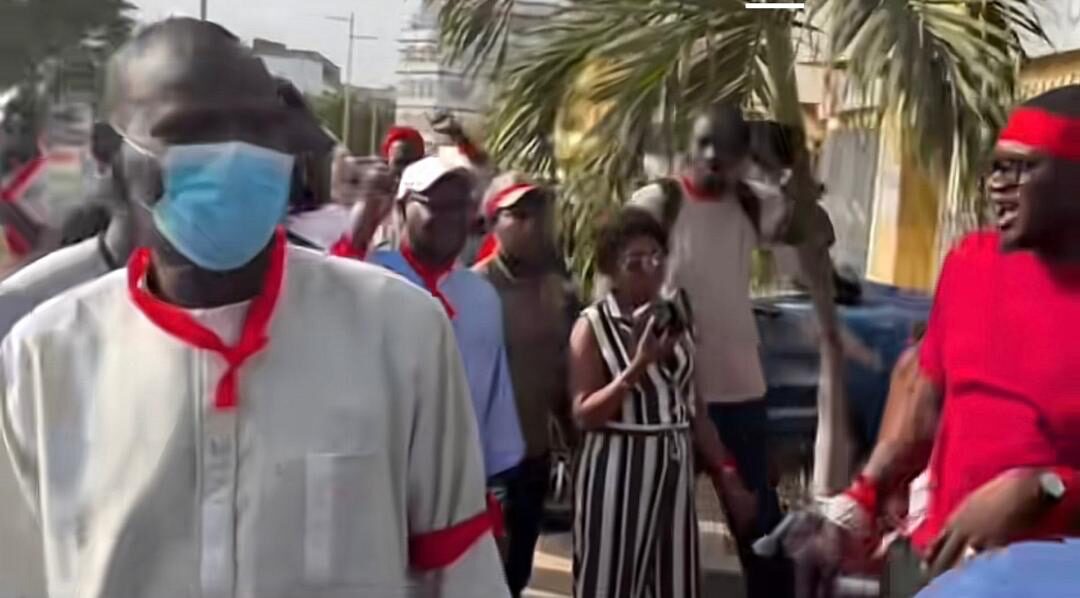
Workers at Groupe Futurs Médias (GFM) recently staged a protest in Dakar, Senegal, donning red armbands to highlight their dissatisfaction with ongoing salary delays and the overall social conditions within the media group. The demonstration took place in front of the El Hadji Elimane Ndour building, situated in Médina on rue 15 x Corniche, drawing attention to the significant GFM unpaid wages. Employees are demanding the immediate settlement of five months of outstanding salaries.
In response to the GFM employee protest, management presented a proposal to the union office, suggesting that all due amounts would be cleared by March 2027. However, this extended timeline was met with firm rejection from the workforce. The general secretary of the GFM section of SYNPICS Senegal, the professional union for information and communication workers, publicly called for the continuation of the protest movement, vehemently denouncing the proposed payment schedule. This rejection underscores a deepening Senegal labor dispute.
Unresolved Employee Concerns and Departures
Beyond the immediate issue of salary arrears, the GFM workers have raised several other critical concerns. They are demanding the reactivation of their health insurance institution, pointing out that monthly contributions continue to be deducted despite the complete paralysis of health coverage. This situation leaves both employees and their families without essential medical care, exacerbating their financial strain.
Furthermore, the personnel are advocating for the preservation of their social benefits and the modernization of their work tools, which they deem essential for their professional activities. The workers have also expressed strong opposition to a proposed recovery plan, fearing it could lead to potential layoffs. This widespread discontent follows an extraordinary general assembly where employees criticized what they described as management's silence and "ghost" explanations regarding the company's situation. The ongoing GFM employee protest reflects a broader dissatisfaction with corporate governance.
The challenging environment at Groupe Futurs Médias has also seen significant staff changes. Four prominent figures from Radio Futurs Médias—Seydou Nourou Ba, Youssou Bodian, Coumba S. Faye, and Papa Balla Gaye—have officially departed from the editorial team. While these specific exits are confirmed, several other sources indicate additional unconfirmed departures, signaling a period of instability within the organization.
The Sticking Point: Payment Timeline Rejection
The core of the current Senegal labor dispute revolves around the proposed timeline for resolving the GFM unpaid wages. While management has formally committed to the union office to clear all salary arrears by March 2027, the GFM workers have unequivocally rejected this extended period. Their demand for immediate payment of the five months of outstanding salaries stands in stark contrast to the company's long-term proposal.
This rejection by GFM workers of the salary arrears payment schedule highlights the significant legal and compliance risks associated with prolonged non-payment of employee benefits in Senegal. The union's firm stance, backed by the general secretary of SYNPICS Senegal, indicates a readiness to maintain industrial action until a more acceptable resolution is reached. The ongoing standoff suggests that the path to resolving this dispute will require further negotiation and a revised approach to address the workers' immediate financial needs and broader concerns.
Practical Implications
This situation highlights the significant legal and compliance risks associated with prolonged salary arrears and non-payment of employee benefits in Senegal, particularly when a proposed payment schedule is rejected by the workforce. Lawyers should advise clients on the strict adherence to labor laws regarding timely wage payments and benefit provisions, and prepare for potential collective bargaining disputes or legal challenges arising from such industrial actions.
Source
How does this affect you?
Get an AI analysis of this article grounded in your jurisdictions, practice areas, and any policy documents you've uploaded to Wansom.
Finish Reading the Full Story and the Expert Analysis.
Get the latest legal & regulatory intelligence in Senegal
Wansom is AI and can make mistakes.