
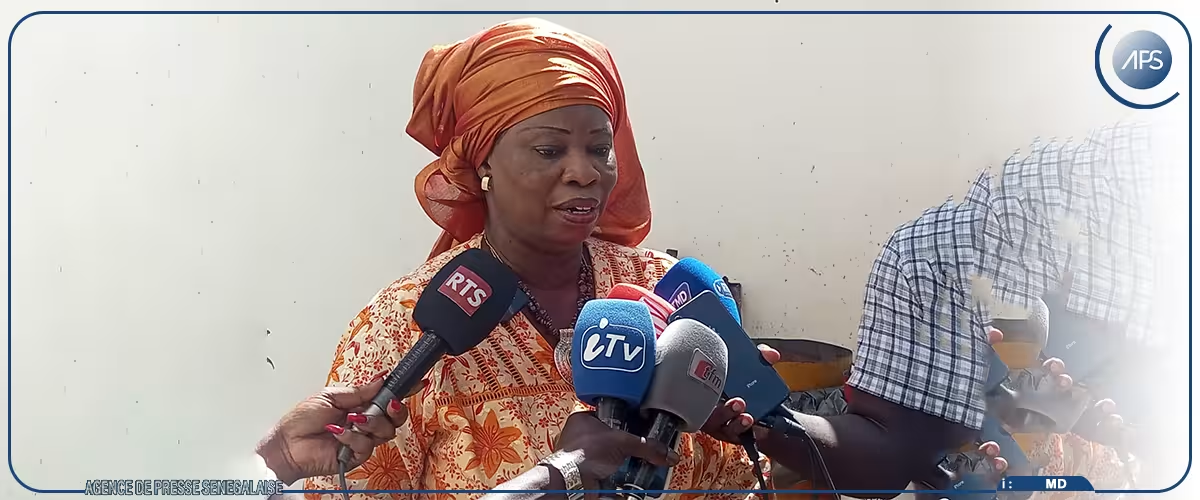
RAFEM: Urges Stronger Migration Governance in Senegal, Fights Xenophobia
Summary
- The Réseau d’appui aux femmes et enfants en migration (RAFEM) advocated for improved migration governance in Dakar on November 16.
- RAFEM's primary goals are to combat xenophobic discourse and promote the socio-economic integration of migrant women workers in Senegal.
- The organization asserts that migration can be a positive force if managed through effective policies.
- This advocacy highlights the need for robust frameworks to protect migrant rights and ensure fair treatment in Senegal.
A Call for Enhanced Migration Management
At the heart of RAFEM's advocacy is the fundamental belief that migration, when managed effectively, ceases to be a source of apprehension and instead becomes a pathway to mutual benefit.
On Monday, November 16, a significant advocacy effort unfolded in Dakar, as the Réseau d’appui aux femmes et enfants en migration (RAFEM) urged for a more robust approach to migration governance. This prominent network, dedicated to supporting women and children on the move, articulated a clear vision for addressing critical issues facing migrant populations within Senegal. Their appeal centered on two interconnected objectives: actively combating the spread of xenophobic rhetoric and fostering the comprehensive socio-economic integration of migrant women workers across the nation.
RAFEM's intervention underscores a growing recognition of the complexities inherent in contemporary migration patterns. By advocating for improved governance, the organization highlights the necessity of proactive and humane policies that acknowledge the contributions and vulnerabilities of migrants. This stance directly challenges narratives that often portray migration as a burden, instead positioning it as a phenomenon that requires strategic oversight to unlock its potential benefits for both migrants and host communities. The call from Dakar serves as a pivotal moment in the ongoing discourse surrounding migration in the region.
Addressing Xenophobia and Worker Integration
The plea from RAFEM specifically targeted the pervasive issue of xenophobic discourse, which can significantly impede the well-being and opportunities available to migrant communities. Such rhetoric often creates hostile environments, making it challenging for individuals, particularly vulnerable groups like migrant women workers, to establish stable lives and contribute effectively to society. The network emphasized that a key component of effective migration governance must be dedicated to dismantling these harmful narratives and promoting understanding and acceptance.
Furthermore, RAFEM stressed the critical importance of achieving socio-economic integration for migrant women workers in Senegal. This goes beyond mere presence, encompassing access to fair employment, social services, and opportunities for economic participation that align with the principles of `travail décent Sénégal`. Ensuring the full inclusion of these workers is not only a matter of human rights but also a strategic imperative for national development, allowing their skills and labor to be utilized productively within the Senegalese economy. The current `Sénégal politique migratoire` must evolve to meet these integration challenges.
The Vision for Effective Governance
At the heart of RAFEM's advocacy is the fundamental belief that migration, when managed effectively, ceases to be a source of apprehension and instead becomes a pathway to mutual benefit. The organization articulated that the perceived threats associated with migration often stem from inadequate or poorly implemented governance frameworks, rather than from the act of migration itself. This perspective champions a paradigm shift, moving away from reactive control measures towards comprehensive, rights-based strategies that prioritize human dignity and well-being.
This proactive approach to `RAFEM migration governance Senegal` involves developing and enforcing policies that protect migrant rights, facilitate legal pathways for work, and ensure equitable treatment. It suggests that a well-structured `Sénégal politique migratoire` can transform potential challenges into opportunities for growth and cultural enrichment. By investing in robust governance mechanisms, the nation can better harness the positive aspects of migration while mitigating risks and ensuring the safety and integration of all individuals.
Shaping Senegal's Migration Future
The advocacy by the `Réseau d’appui aux femmes et enfants en migration` in Dakar represents a crucial contribution to the ongoing dialogue about migration policy in Senegal. Their specific focus on combating xenophobia and ensuring the `intégration travailleuses migrantes Sénégal` highlights areas requiring immediate attention and policy reform. Such calls from civil society organizations are instrumental in shaping public discourse and influencing legislative agendas, pushing for more inclusive and protective frameworks for migrants.
This sustained advocacy underscores the need for continuous evaluation and refinement of national migration strategies. For legal and compliance professionals in Senegal, these developments signal a growing emphasis on migrant worker rights and integration, suggesting that future legislative or policy changes are likely. The commitment shown by groups like RAFEM indicates a clear trajectory towards improved migration governance and a concerted effort to address xenophobia in employment, ultimately aiming for a more just and equitable society for all.
Practical Implications
Lawyers and compliance officers in Senegal should monitor upcoming legislative or policy changes related to migrant worker rights and integration, as advocacy by groups like RAFEM indicates a growing focus on improved migration governance and combating xenophobia in employment.
Source
Source: Original reporting via APS
How does this affect you?
Get an AI analysis of this article grounded in your jurisdictions, practice areas, and any policy documents you've uploaded to Wansom.
Finish Reading the Full Story and the Expert Analysis.
Get the latest legal & regulatory intelligence in Senegal
Wansom is AI and can make mistakes.