
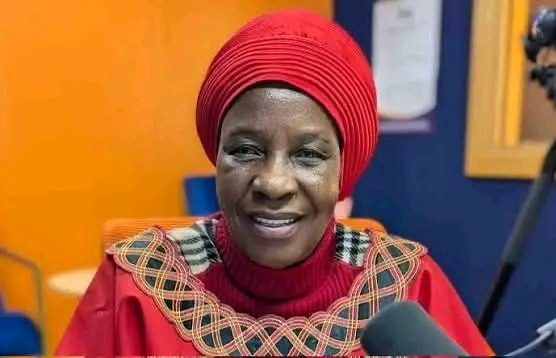
Gertrude Imenda: Nominated MP Zambia Under New PR System
Summary
- Gertrude Imenda, the UPND deputy secretary-general, has been nominated as a Member of Parliament in Zambia.
- Her nomination occurred under the country's new proportional representation system.
- Ms. Imenda is one of twenty women selected for parliamentary roles through this system.
- These nominations contribute to the overall composition and representation within the Zambian Parliament.
Key Appointment Under New System
The introduction of a new proportional representation system for parliamentary nominations in Zambia signifies a shift in how legislative seats are allocated beyond direct electoral contests.
Gertrude Imenda, who serves as the deputy secretary-general for the United Party for National Development (UPND), has been formally nominated to assume a position as a Member of Parliament (MP) in Zambia. This significant appointment falls under the nation's recently implemented proportional representation (PR) system, marking a notable development in the composition of the Zambian legislature. Her nomination underscores the evolving mechanisms through which individuals are selected to serve in the country's parliamentary body.
Ms. Imenda's selection is part of a larger cohort of twenty women who have also received nominations for parliamentary seats through this same proportional representation framework. The inclusion of a senior party official like Ms. Imenda, alongside a substantial group of women, highlights the operational aspects of the new system in shaping the legislative landscape. This method of parliamentary inclusion aims to ensure a broader representation of various demographics and political affiliations within the National Assembly.
Understanding Proportional Representation in Zambia
The introduction of a new proportional representation system for parliamentary nominations in Zambia signifies a shift in how legislative seats are allocated beyond direct electoral contests. Unlike systems solely reliant on constituency-based elections, proportional representation mechanisms are typically designed to ensure that the distribution of seats in the legislature closely reflects the overall vote share received by political parties, or to facilitate the inclusion of specific groups or individuals who might otherwise be underrepresented. This approach aims to create a more diverse and representative parliament.
For legal and political observers, the implementation of such a system, and the subsequent Zambia parliamentary nominations, provides crucial insight into the nation's governance structure. It establishes a pathway for individuals like Gertrude Imenda to become a Member of Parliament, contributing to the legislative process without necessarily having won a direct electoral contest. This method often serves to balance regional representation with broader national interests and demographic considerations, influencing the overall balance of power and policy direction within the Zambian Parliament.
Implications for the Legislative Landscape
The nomination of Gertrude Imenda as an MP, along with nineteen other women, through the proportional representation system carries significant implications for the Zambian Parliament's future trajectory. Such appointments contribute directly to the overall composition of the legislative body, potentially influencing legislative priorities, committee assignments, and the dynamics of political debate. For those monitoring political appointments and potential legislative shifts, these nominations offer a clear signal regarding the government's approach to parliamentary representation and its commitment to specific demographic inclusions.
This development is particularly relevant for understanding government relations strategies and the evolving political landscape in Zambia. The presence of UPND nominated women MPs Zambia, including a high-ranking party official, can impact the formulation and passage of legislation, as well as the oversight functions of Parliament. While not immediately actionable in terms of specific legal cases, tracking these nominations is essential for legal professionals and stakeholders seeking to comprehend the direction of policy-making and the broader political environment in the country.
Practical Implications
This development signals the composition of the Zambian Parliament under the proportional representation system, which is relevant for lawyers tracking political appointments, potential legislative shifts, and government relations strategies. While not immediately actionable, it informs an understanding of the evolving political landscape.
Source
How does this affect you?
Get an AI analysis of this article grounded in your jurisdictions, practice areas, and any policy documents you've uploaded to Wansom.
Finish Reading the Full Story and the Expert Analysis.
Get the latest legal & regulatory intelligence in Zambia
Wansom is AI and can make mistakes.