
EU Parliament Resolution: Implications for Zambia Analyzed
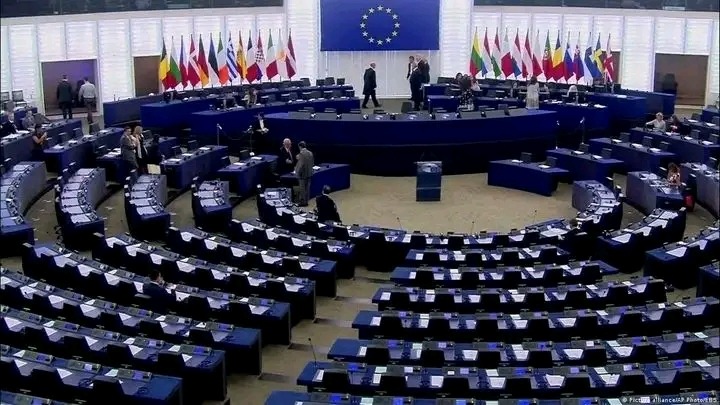
The European Parliament recently passed a resolution concerning Zambia, which has subsequently fueled political debate within the country, with some opposition voices interpreting it as a sign of Europe's disapproval of President Hakainde Hichilema's government and Zambia's increasing international isolation. This resolution, adopted on September 17, has become a focal point in Zambia's post-election political discourse, reflecting differing views on the country's international standing and governance.
While a resolution from the European Parliament is not legally binding on Zambia as a sovereign nation, it carries substantial political and diplomatic weight. For practitioners, businesses, and the public, its significance lies in its potential to influence foreign policy, aid packages, trade relations, and investor confidence. Such resolutions often signal international perceptions regarding a country's adherence to democratic principles, human rights, and the rule of law. For Zambian businesses, this could translate into increased scrutiny from international partners, potential shifts in market access, or changes in foreign direct investment flows, impacting economic stability and growth prospects.
The legal context for this event primarily involves international relations law and diplomatic protocols, rather than domestic Zambian statutes or court proceedings. It pertains to the framework governing relations between sovereign states and international bodies like the European Union. Although not a judicial instrument, the resolution reflects the EU's assessment of Zambia's internal affairs, particularly concerning governance and human rights, which are often conditions for international cooperation and development assistance. The key parties involved are the European Parliament, the Government of Zambia, led by President Hakainde Hichilema, and various Zambian opposition political voices who have commented on the resolution.
Attorneys advising clients engaged in international trade, foreign investment, or development projects in Zambia should closely monitor the implications of such international resolutions. These can serve as early indicators of potential shifts in diplomatic relations, changes in aid or trade preferences, and increased international scrutiny on governance, human rights, and rule of law issues. Businesses operating in or considering investment in Zambia should factor these international perceptions into their risk assessments, compliance strategies, and stakeholder engagement plans. Being prepared for potential shifts in the political and economic landscape influenced by international bodies is a crucial practitioner takeaway, as the resolution's full impact on Zambia's international standing and economic partnerships is yet to unfold.
How does this affect you?
Get an AI analysis of this article grounded in your jurisdictions, practice areas, and any policy documents you've uploaded to Wansom.
Finish Reading the Full Story and the Expert Analysis.
Get the latest legal & regulatory intelligence in Zambia
Wansom is AI and can make mistakes.