
Gecam Minpmeesa: Formalisation Économie Informelle Cameroun Roadmap
Summary
- Gecam and Minpmeesa have established a joint roadmap for 2027-2030 to formalize Cameroon's informal economy.
- A high-level meeting on November 4, 2026, in Douala, led by Minister Achille BASSILEKIN III, formalized this initiative.
- The roadmap includes twenty recommendations from three workshops, focusing on simplifying regulations, structuring sectors, and improving access to markets and credit.
- Key levers involve enhancing the fiscal and regulatory framework, integrating SMEs/UPIs into value chains, and strengthening access to social protection.
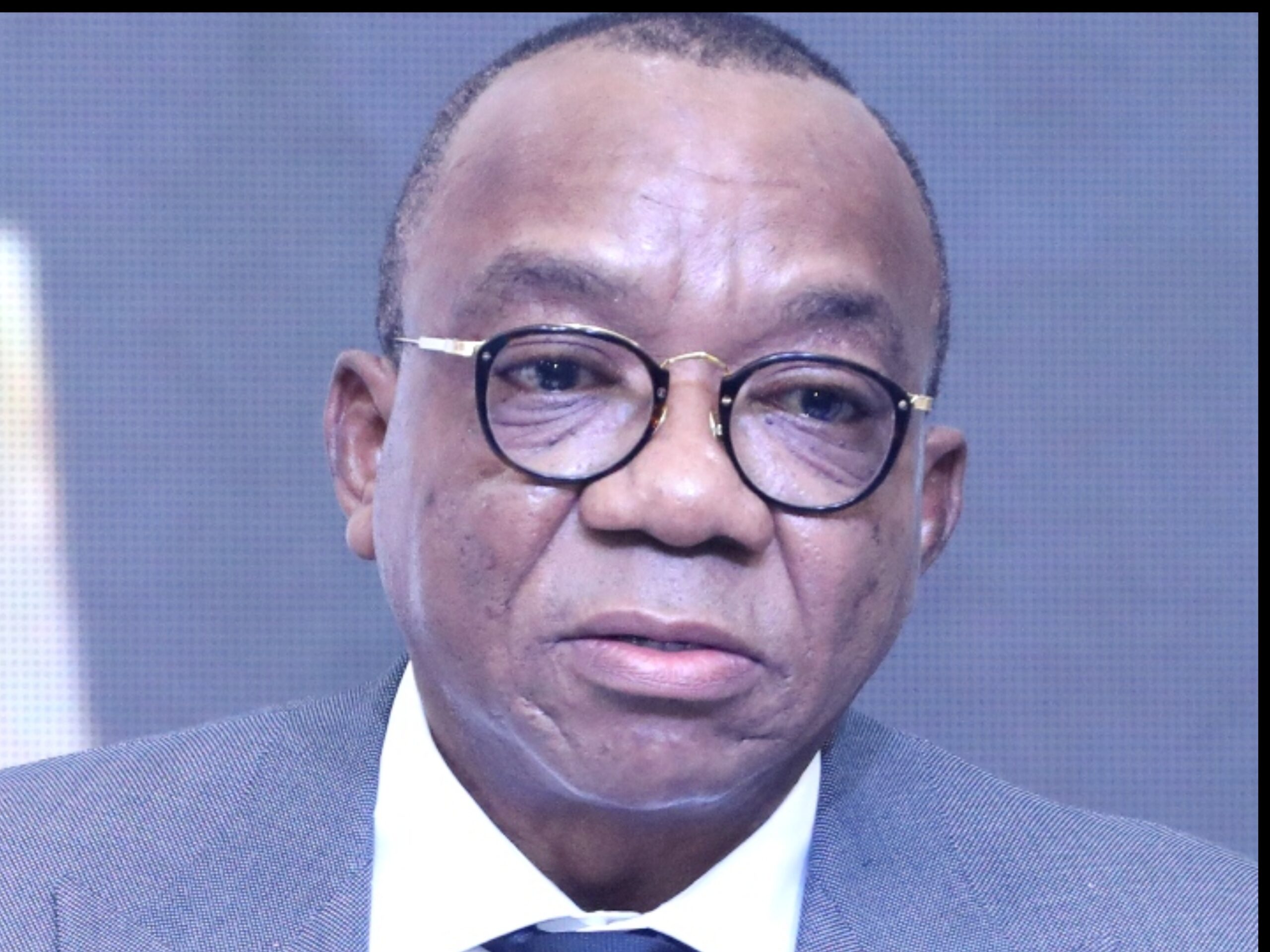
- The initiative, validated by Gecam President Célestin Tawamba and Minister Bassilekin III, aims for structural transformation and inclusive growth in Cameroon.
A Joint Initiative to Formalize Cameroon's Informal Economy
For legal and compliance professionals advising businesses in Cameroon, particularly SMEs or those interacting with the informal sector, this initiative signals impending changes to the réglementation PME Cameroun and the cadre fiscal informel Cameroun.
The Groupement des Entreprises du Cameroun (Gecam) and the Ministère des Petites et Moyennes Entreprises, de l’Économie Sociale et de l’Artisanat (Minpmeesa) have officially established a collaborative roadmap spanning the years 2027 to 2030. This strategic alliance aims to integrate participants from the informal sector into the nation's productive economic framework, marking a significant shift for the économie informelle Cameroun. A high-level consultative meeting, bringing together representatives from the employers' association and Minpmeesa, took place on Wednesday, November 4, 2026, at Gecam's headquarters in Douala.
This crucial gathering was presided over by Achille BASSILEKIN III, the Minister responsible for Small and Medium-sized Enterprises. The session built upon public-private commitments made in 2021, which were designed to foster the structural development of Small and Medium-sized Enterprises (SMEs). The overarching goal of the discussions was to facilitate a transition towards a more productive economic landscape and ensure the long-term viability of employment opportunities within Cameroon.
Strategic Objectives and Key Recommendations
The consultation brought together a diverse group of stakeholders, including various public administrations, leading employers' organizations, associations representing informal production units (UPIs), and international development partners. Participants engaged in three specialized thematic workshops, which culminated in the formulation of twenty concrete recommendations. These proposals are designed to encourage a gradual yet sustainable formalisation économie informelle Cameroun.
The primary mechanisms identified for achieving this formalization include enhancing the existing fiscal and regulatory framework through the simplification of administrative procedures. Furthermore, efforts will focus on structuring various economic sectors and integrating SMEs and UPIs into national value chains. The roadmap also prioritizes strengthening access to critical resources such as markets, credit facilities, public procurement opportunities, and essential social protection schemes. These measures collectively aim to address the systemic challenges faced by the informal sector.
The Gecam-Minpmeesa Roadmap and its Broader Impact
To solidify these ambitious objectives, Célestin Tawamba, President of Gecam, and Minister Achille Bassilekin III formally endorsed the creation of a joint State-Employers' feuille de route Gecam Minpmeesa 2027-2030. This comprehensive document will be supported by a detailed action matrix, which will clearly delineate responsibilities, establish specific deadlines, and define expected deliverables for all parties involved. A robust and regular monitoring mechanism will oversee its implementation, ensuring accountability and progress throughout the four-year period.
This reinforced partnership between the Groupement des Entreprises du Cameroun and the Ministère des Petites et Moyennes Entreprises, de l’Économie Sociale et de l’Artisanat underscores a shared conviction: the transformation of the informal economy is a fundamental structural imperative for fostering inclusive growth across Cameroon. For legal and compliance professionals advising businesses in Cameroon, particularly SMEs or those interacting with the informal sector, this initiative signals impending changes to the réglementation PME Cameroun and the cadre fiscal informel Cameroun. These developments will necessitate proactive adjustments to existing business strategies and compliance frameworks, as well as a readiness to engage with newly formalized entities and evolving market conditions.
Practical Implications
Lawyers and compliance officers advising businesses in Cameroon, particularly SMEs or those interacting with the informal sector, should monitor the development and implementation of the Gecam-Minpmeesa 2027-2030 roadmap. This initiative signals upcoming changes to the fiscal and regulatory framework, administrative procedures, and access to markets/credit, which will necessitate adjustments to compliance strategies and business operations for formalization or engagement with newly formalized entities.
Source
How does this affect you?
Get an AI analysis of this article grounded in your jurisdictions, practice areas, and any policy documents you've uploaded to Wansom.
Finish Reading the Full Story and the Expert Analysis.
Get the latest legal & regulatory intelligence in Cameroon
Wansom is AI and can make mistakes.