
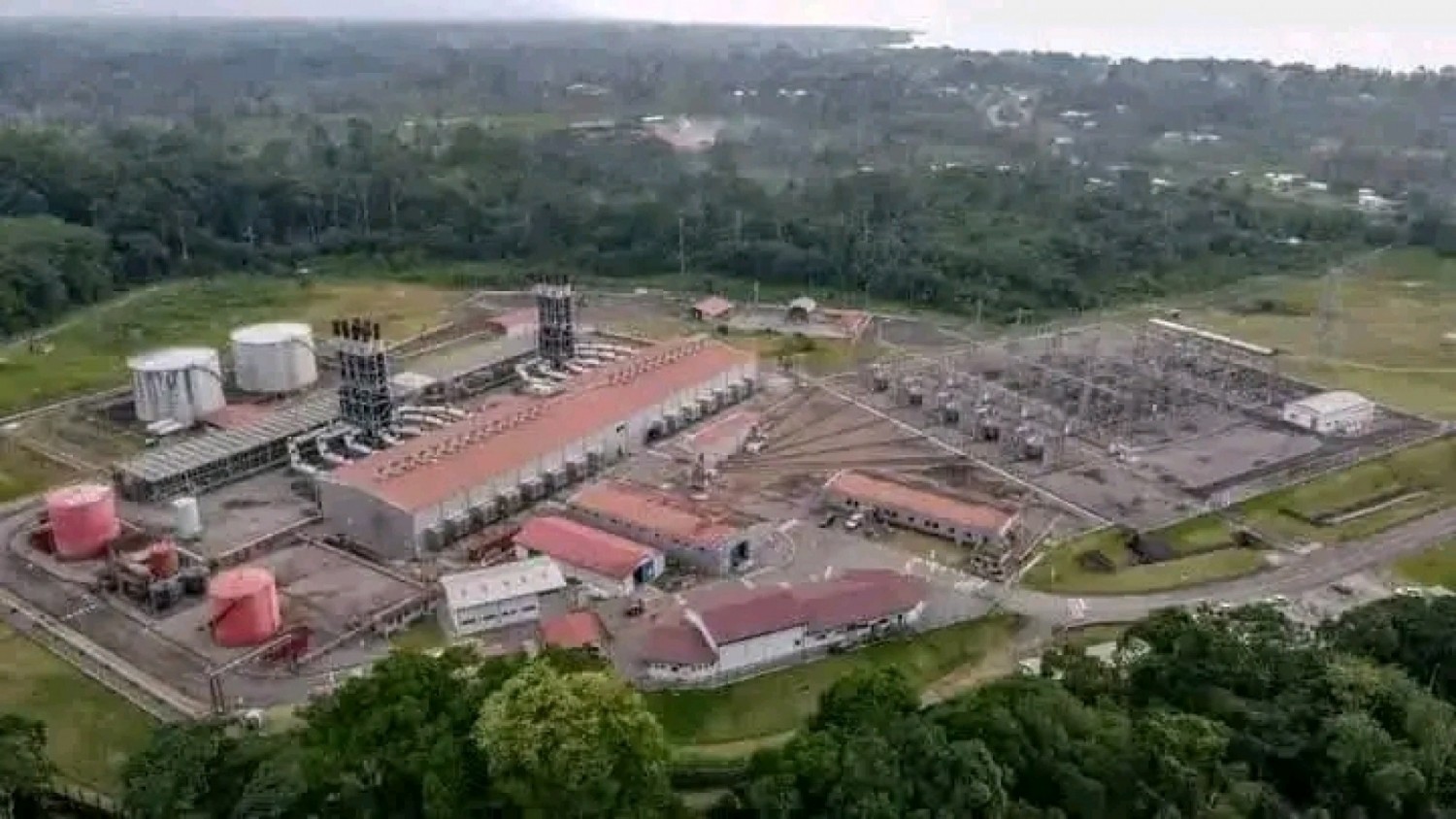
Cameroon: Nationalizes Kribi, Dibamba Power Plants After Globeleq Dispute
Summary
- Cameroon has fully nationalized the Kribi and Dibamba thermal power plants, previously majority-owned by British firm Globeleq.
- The state cited chronic electricity supply issues and financial disputes, including significant payment arrears from the national distributor SOCADEL (formerly Eneo) to Globeleq, as reasons for the takeover.
- This move aims to reassert national sovereignty over strategic energy infrastructure and stabilize the power sector.
- Experts question the state's capacity to maintain operational efficiency and finance future expansions.
- The nationalization marks a significant shift in Cameroon's energy policy, potentially impacting foreign investment perceptions.
What Happened
The Cameroon energy sector expropriation of the Kribi and Dibamba power plants sends a clear signal to foreign investors operating within the country, particularly those in critical infrastructure sectors.
Cameroon has officially taken full control of its two largest thermal power plants, the Kribi gas-fired facility and the Dibamba heavy fuel oil plant. This significant move sees the state assume complete ownership of these critical energy assets, which were previously under the majority control of Globeleq, a British independent power producer. The Cameroon nationalizes Kribi Dibamba power plants action marks a pivotal shift in the nation's energy strategy, bringing the facilities entirely into public hands. These plants are indispensable contributors to the production capacity of the Southern Interconnected Grid (RIS), making their ownership transfer a matter of national strategic importance.
This decision culminates a long-standing operational arrangement with Globeleq, which held controlling stakes in both the Kribi Power Development Company (KPDC) and the Dibamba Power Development Company (DPDC). The government's formal acquisition of Globeleq's assets follows an extended period of intricate negotiations, which were frequently complicated by financial disagreements between the parties. The nationalization underscores Yaoundé's determination to exert greater direct influence over its essential energy infrastructure.
Background to the Takeover
The Cameroon Globeleq nationalization was precipitated by a series of financial disputes that had plagued the partnership for months. Globeleq, the British energy firm, consistently faced substantial delays in payments from SOCADEL (Société camerounaise d'électricité), which succeeded Eneo as Cameroon's national electricity distributor in May 2026. These accumulated arrears reportedly amounted to hundreds of billions of CFA francs, creating significant financial strain for the private operator. Such persistent cash flow issues posed a constant threat to the continuous provision of electricity services and the essential maintenance of the power generation facilities.
Yaoundé's rationale for the Kribi Power Development Company takeover and the Dibamba Power Development Company nationalization extends beyond mere financial rectifications. The government aims to stabilize the nation's energy sector and directly secure its power production capabilities, thereby reducing its reliance on the operational decisions and financial arbitration of an international private entity. This move is also framed as a powerful political statement, designed to reassert Cameroon's economic sovereignty over its vital resources and primary development infrastructure.
Expert Concerns and Future Challenges
While some observers commend the nationalization as a victory for economic independence, experts within the energy sector have voiced numerous concerns regarding its long-term implications. A primary challenge for the Cameroonian state will be demonstrating its capacity to uphold the high standards of technical efficiency and operational management that these complex power plants require. The successful transition of managerial responsibilities is crucial for maintaining the reliability and output of these critical facilities.
Furthermore, the government faces the immediate task of reassuring international financial partners about the stability and predictability of its energy sector. It must also swiftly establish a new public or semi-public entity capable of securing the necessary funding for future capacity expansions, particularly for the Kribi plant. The ultimate success of this managerial transition will directly influence the future reliability of electricity supply for both Cameroonian households and industries, setting a precedent for future foreign-owned infrastructure projects in the country. This state takeover power plants Cameroon action could reshape investor confidence.
Implications for Foreign Investors
The Cameroon energy sector expropriation of the Kribi and Dibamba power plants sends a clear signal to foreign investors operating within the country, particularly those in critical infrastructure sectors. This assertive move by the Cameroonian government highlights an increased risk of state intervention and potential nationalization, especially in areas deemed strategically vital. Lawyers advising foreign entities with investments in Cameroon's energy sector should meticulously assess this heightened expropriation risk and thoroughly review existing contractual agreements.
Specific attention should be paid to clauses related to force majeure, government intervention, or termination provisions that might be triggered by such state actions. Compliance officers, in particular, should note the potential for protracted disputes over compensation following such takeovers and consider the precedent this action establishes for the security of other foreign-owned infrastructure projects in Cameroon. This development necessitates a re-evaluation of risk profiles and due diligence processes for any current or prospective foreign investment in the nation.
Practical Implications
Lawyers advising foreign investors in Cameroon's energy sector should assess increased expropriation risk and review existing contracts for force majeure or termination clauses related to state intervention. Compliance officers should note the potential for disputes over compensation and the precedent this sets for future foreign-owned infrastructure projects in the country.
Source
How does this affect you?
Get an AI analysis of this article grounded in your jurisdictions, practice areas, and any policy documents you've uploaded to Wansom.
Finish Reading the Full Story and the Expert Analysis.
Get the latest legal & regulatory intelligence in Cameroon
Wansom is AI and can make mistakes.