
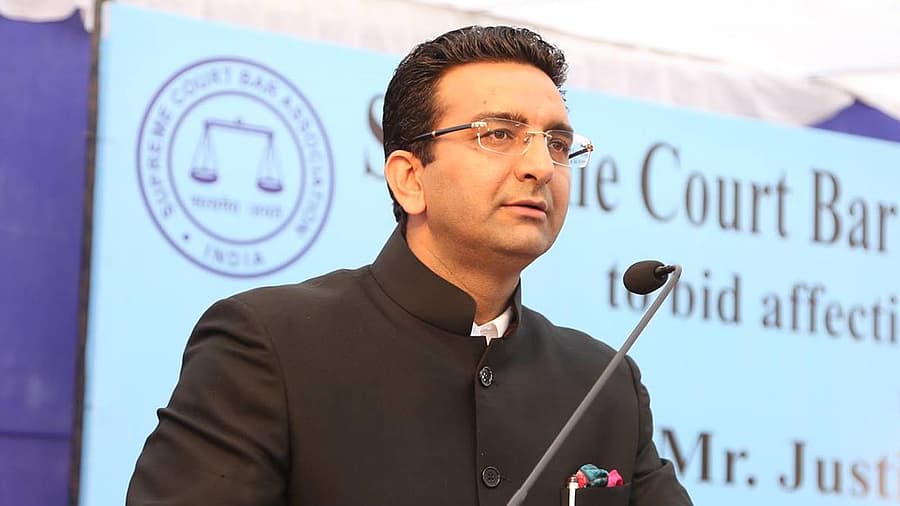
Gaurav Bhatia: Delhi HC ₹2 Cr Defamation Suit Against CJP
Summary
- BJP leader Gaurav Bhatia has filed a ₹2 crore defamation suit in the Delhi High Court against the Cockroach Janta Party (CJP) and three of its leaders.
- The suit alleges defamation stemming from an AI-generated graphic that falsely attributed a derogatory remark to Mr. Bhatia.
- CJP leaders Saurav Das and Ashutosh Ranka are accused of disseminating and amplifying the false content on social media.
- Mr. Das deleted the post but questioned Mr. Bhatia's disagreement with the AI-generated statement, while Mr. Ranka reposted it with a mocking caption.
- This case highlights the growing legal risks associated with AI-generated content and its potential for defamation.
BJP Leader Files Defamation Suit Over AI-Generated Content
This case, involving Gaurav Bhatia's ₹2 crore defamation suit in the Delhi High Court, underscores the significant and evolving legal risks associated with the creation and dissemination of AI-generated content, particularly on social media platforms.
Senior Advocate and Bharatiya Janata Party (BJP) leader Gaurav Bhatia has initiated a defamation lawsuit before the Delhi High Court, seeking ₹2 crore in damages and an injunction against the Cockroach Janta Party (CJP) and three of its leaders: Abhijeet Dipke, Saurav Das, and Ashutosh Ranka. The legal action stems from an AI-generated graphic that falsely attributed a derogatory remark to Mr. Bhatia concerning Swatantra Bhardwaj.
The contentious graphic alleged that Mr. Bhatia had labeled Mr. Bhardwaj a "dimagi naxal." This claim emerged in the context of Mr. Bhardwaj being accused of assaulting the father of Nishu Azad, an activist associated with the CJP. The suit highlights the growing concerns surrounding the dissemination of AI-generated content and its potential for misrepresentation and reputational harm.
Dissemination and Response to the Allegations
The AI-generated graphic was initially shared on X by Saurav Das, one of the CJP leaders named in the suit. Upon discovering the post, Mr. Bhatia promptly denied having made the attributed remarks and issued a demand to Mr. Das, requiring him to delete the post and issue an unconditional apology within 24 hours. While Mr. Das subsequently removed the post, he also clarified on his X account that the content was AI-generated, provocatively questioning Mr. Bhatia whether he "disagreed" with the statement generated by artificial intelligence.
Further amplifying the disputed content, CJP co-convener Ashutosh Ranka allegedly reposted the graphic from Mr. Das's account. Mr. Ranka reportedly added a caption that mocked BJP leaders, thereby extending the reach of the false attribution. Notably, Mr. Ranka had previously joined Mr. Das and other CJP members in advocating for action against Mr. Bhardwaj in connection with the alleged assault on Nishu Azad's father.
Legal Implications of AI-Generated Defamation
This case, involving Gaurav Bhatia's ₹2 crore defamation suit in the Delhi High Court, underscores the significant and evolving legal risks associated with the creation and dissemination of AI-generated content, particularly on social media platforms. The suit posits a critical precedent for future defamation claims arising from material produced by artificial intelligence, highlighting the potential for severe reputational damage when such content is unverified and widely shared.
The legal challenge brought by Mr. Bhatia against the CJP and its leaders serves as a stark reminder that individuals and organizations can be held accountable for the content they publish, regardless of its origin. The Delhi High Court's consideration of this matter will likely provide important guidance on the liabilities associated with AI-generated graphic defamation in India, emphasizing the need for robust verification processes before sharing any such information.
Practical Implications
This case highlights the growing legal risks associated with the dissemination of AI-generated content, particularly on social media, and serves as a precedent for potential defamation claims arising from such material. Lawyers should advise clients on robust verification processes for AI-generated information and the liabilities of sharing unverified content.
Source
How does this affect you?
Get an AI analysis of this article grounded in your jurisdictions, practice areas, and any policy documents you've uploaded to Wansom.
Finish Reading the Full Story and the Expert Analysis.
Wansom is AI and can make mistakes.