
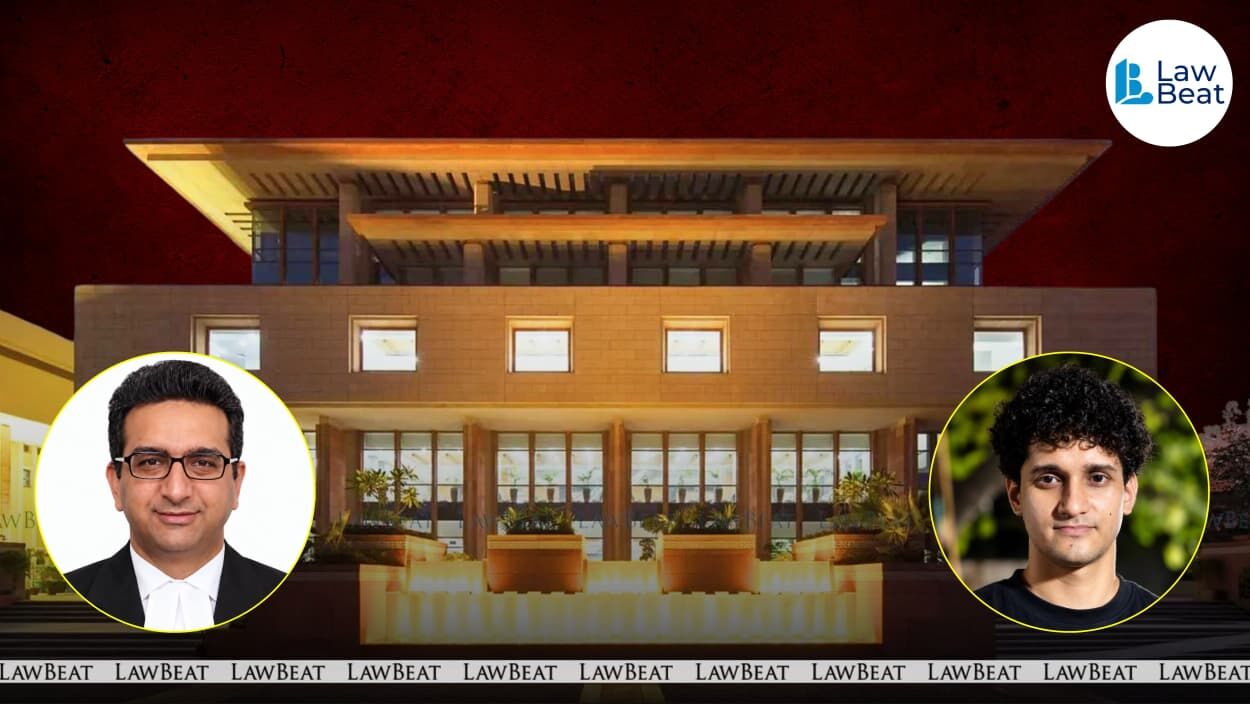
Gaurav Bhatia: Files ₹2-Crore Defamation Suit Against Saurav Das in Delhi HC
Summary
- BJP leader Gaurav Bhatia has filed a ₹2-crore defamation suit against CJP spokesperson Saurav Das and co-convenor Ashutosh Ranka in the Delhi High Court.
- The suit concerns an AI-generated social media post that falsely attributed derogatory remarks about Swatantra Bhardwaj to Bhatia.
- Bhatia denied making the statements and demanded an apology, which was not issued despite the post being deleted.
- The controversy is set against a separate dispute involving Swatantra Bhardwaj and the CJP, which led to Bhardwaj's arrest.
- Bhatia emphasized that the matter would be decided in court based on facts, evidence, and law, not through a "social media trial."
Legal Action Initiated
He emphasized that the matter would be resolved through the judicial process, based on facts, evidence, and law, rather than through a "social media trial" or a "war of statements."
BJP leader and senior advocate Gaurav Bhatia has initiated a significant legal proceeding, filing a ₹2-crore defamation suit in the Delhi High Court. The action targets Saurav Das, a spokesperson for the Cockroach Janta Party (CJP), and Ashutosh Ranka, the organization's co-convenor. The core of the Gaurav Bhatia defamation suit revolves around a social media post that falsely attributed derogatory statements to Bhatia concerning Swatantra Bhardwaj.
The alleged defamatory remarks, which Bhatia vehemently denies making, included calling Bhardwaj a 'dimagi naxal,' asserting that Bhardwaj harbored 'casteist poison,' and claiming that the BJP had no association with him. This Delhi High Court defamation case is scheduled to be heard on Wednesday, marking a formal judicial response to the online dispute.
Bhatia publicly announced the legal action on Tuesday via a post on X, stating, "When allegations cross the limit, the law draws the line." He emphasized that the matter would be resolved through the judicial process, based on facts, evidence, and law, rather than through a "social media trial" or a "war of statements."
The Social Media Controversy
The dispute originated on September 5, when CJP spokesperson Saurav Das shared an image on X. This image, which Das later acknowledged was an AI-generated post, purported to quote Gaurav Bhatia making the aforementioned disparaging comments about Swatantra Bhardwaj. Bhatia swiftly condemned the graphic as fake and demanded its deletion, along with an unconditional apology, within 24 hours.
While Das did remove the post, he failed to issue the requested apology. Subsequently, Das publicly stated that the graphic was AI-generated, and provocatively challenged BJP leaders to personally reiterate the substance of the attributed statements. Bhatia, however, maintained that the central issue was the publication of a statement falsely attributed to him, regardless of its AI origin.
Following the post's deletion, Bhatia noted that it had taken 83 minutes to remove the content, but stressed that an unconditional apology remained outstanding. He had previously warned that a failure to apologize could lead to the filing of a First Information Report (FIR), underscoring the seriousness with which he viewed the social media libel.
Broader Context and Digital Risks
This defamation case unfolds against the backdrop of a separate, ongoing controversy involving Swatantra Bhardwaj and the CJP. The CJP had recently called for Bhardwaj's arrest in connection with an alleged assault on Sanjay Kumar, the father of CJP supporter Nishu Aazad. This incident reportedly occurred during a student protest at Delhi’s Jantar Mantar, and a video circulated showing Bhardwaj allegedly discussing the assault.
The CJP had staged protests outside the Parliament Street police station, demanding stronger action against Bhardwaj. Reports indicate that police subsequently arrested Bhardwaj after registering a case, with sections of the Scheduled Castes and Scheduled Tribes (Prevention of Atrocities) Act also added to the FIR. It was amidst this heated and sensitive controversy that the CJP spokesperson defamation post, attributing remarks to Bhatia, was circulated.
This incident highlights the increasing legal risks associated with AI-generated content and social media, particularly concerning defamation in India. The case underscores the critical need for individuals and organizations to verify information before sharing, especially when it involves public figures, to mitigate exposure to significant defamation claims. The use of AI to create and disseminate potentially libelous content adds a new layer of complexity to social media accountability.
Practical Implications
This case highlights the increasing legal risks associated with AI-generated content and social media, particularly concerning defamation. Lawyers should advise clients on the critical need to verify information before sharing, especially when it involves public figures, to mitigate exposure to significant defamation claims. Compliance officers should review and update social media policies to address the challenges posed by AI-generated content.
Source
Source: Original reporting via {source}
How does this affect you?
Get an AI analysis of this article grounded in your jurisdictions, practice areas, and any policy documents you've uploaded to Wansom.
Finish Reading the Full Story and the Expert Analysis.
Wansom is AI and can make mistakes.